Common Mistakes to Avoid
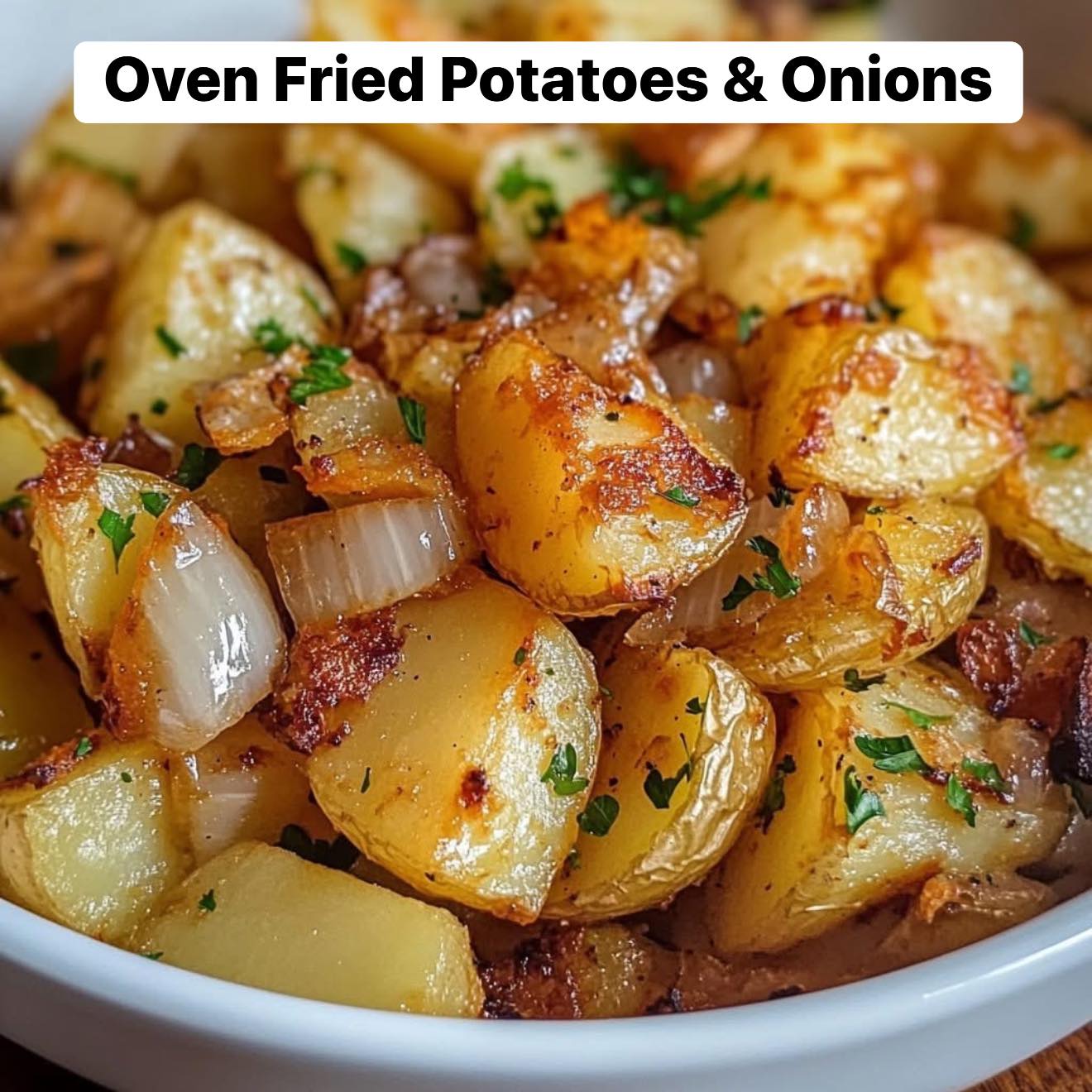
The biggest mistake I made early on was overcrowding the pan. I was trying to cook for a crowd and crammed everything onto one sheet. What I got was a pan of steamed, soft potatoes and soggy onions. They were still tasty, but they lacked the crisp, “fried” quality I was after. It’s better to use two pans and rotate them in the oven than to sabotage your texture. Giving each piece its personal space is the key to success.
Another easy misstep is under-seasoning. Potatoes are a blank canvas and can handle—and need!—a good amount of salt. Be bold with your seasoning in the mixing bowl. It’s much harder to evenly season a pile of cooked potatoes. I also learned that adding fresh garlic cloves (instead of powder) to the mix often leads to them burning in the high heat and turning bitter. Stick with garlic powder for this method; it distributes evenly and won’t scorch.
Serving Suggestions
I love how versatile this dish is. For a hearty breakfast or brunch, I serve them right alongside some sunny-side-up eggs, where the runny yolks become a luxurious sauce. The contrast of the creamy yolk with the crispy potatoes is just perfection. A dash of hot sauce on top takes it to another level entirely. It’s my go-to weekend fuel.
For dinner, these potatoes and onions become the ultimate sidekick. I often pair them with simple roasted chicken, a pan-seared pork chop, or even a big veggie burger. They also make a fantastic filling for breakfast burritos or a hearty base for a bowl topped with a fried egg, avocado, and a dollop of salsa. Leftovers (if you have any!) are a treasure.
Variations & Customizations
This recipe is a wonderful template for creativity. One of my favorite twists is adding other vegetables to the mix. Toss in some bell pepper strips or broccoli florets during the last 15 minutes of cooking. Sweet potatoes are also a fantastic substitute for half of the russets, creating a beautiful sweet-and-savory combination. Just note that sweet potatoes may cook a touch faster, so keep an eye on them.
You can also play with the seasoning profile. For a spicy kick, I’ll add a pinch of cayenne or chili powder to the mix. Sometimes I swap the smoked paprika and thyme for rosemary and a generous crack of black pepper for a more Mediterranean vibe. A sprinkle of grated Parmesan or nutritional yeast in the last 5 minutes of baking adds a delicious, cheesy, umami crust. Make it your own!
How to Store, Freeze & Reheat
Honestly, these are best served fresh and hot from the oven. But if I do have leftovers, I let them cool completely and store them in an airtight container in the refrigerator for up to 3 days. The texture will soften, but they’re still delicious. I do not recommend freezing them, as the potato texture becomes very grainy and watery upon thawing and reheating—I tried it once so you don’t have to.
To reheat, skip the microwave if you want to recapture any crispiness. The microwave will just make them soft. Instead, I spread the cold potatoes and onions in a single layer on a sheet pan and pop them in a 400°F oven for 10-15 minutes, until hot and re-crisped. For a smaller portion, a toaster oven or air fryer works wonders and gets them hot and crispy again in just a few minutes.
FAQ Section
Can I make these ahead of time? You can do some prep ahead to save time. I often cut the potatoes and onions, then submerge them in a bowl of cold water in the fridge for up to 24 hours. This actually helps remove excess starch and can make them even crispier! Just drain and pat them extremely dry before tossing with oil and seasoning. You can’t fully cook them ahead, as they’ll lose their crisp texture upon cooling.
My potatoes are sticking to the pan. What did I do wrong? This usually means one of three things: your pan wasn’t lined with parchment/silicone, you didn’t use enough oil, or you tried to flip them too early. Make sure you’re using that liner, measure your oil, and wait until you see the edges starting to brown before you attempt the first flip. They’ll naturally release once a crust has formed.
Why aren’t my potatoes getting crispy? The most likely culprits are overcrowding the pan (which causes steaming), not having the oven hot enough, or not letting them cook long enough. Potatoes need time and space to surrender their moisture and caramelize. Ensure your oven is fully preheated, spread the pieces out, and be patient—that final 10 minutes is often when the magic of deep golden brown happens.
Conclusion
This dish is more than just a recipe to me; it’s a reliable source of comfort and satisfaction. It’s proof that you don’t need fancy techniques or a long list of ingredients to create something truly delicious and memorable. I hope you’ll give my method a try and experience the joy of pulling that perfectly crispy, fragrant pan from your own oven. Trust me, once you make these, they’ll become a regular in your kitchen, too. Happy cooking