Pro Tips for Best Results
My first time making these, I was impatient and fried them at too low a temperature. The result was ravioli that absorbed too much oil and had a heavy, greasy coating. After that, the thermometer became my kitchen MVP for this recipe. Maintaining that steady 350°F is the single most important factor for a light, crisp exterior. If you don’t have a thermometer, you can test the oil by dropping in a small breadcrumb; it should sizzle vigorously and brown in about 30 seconds.
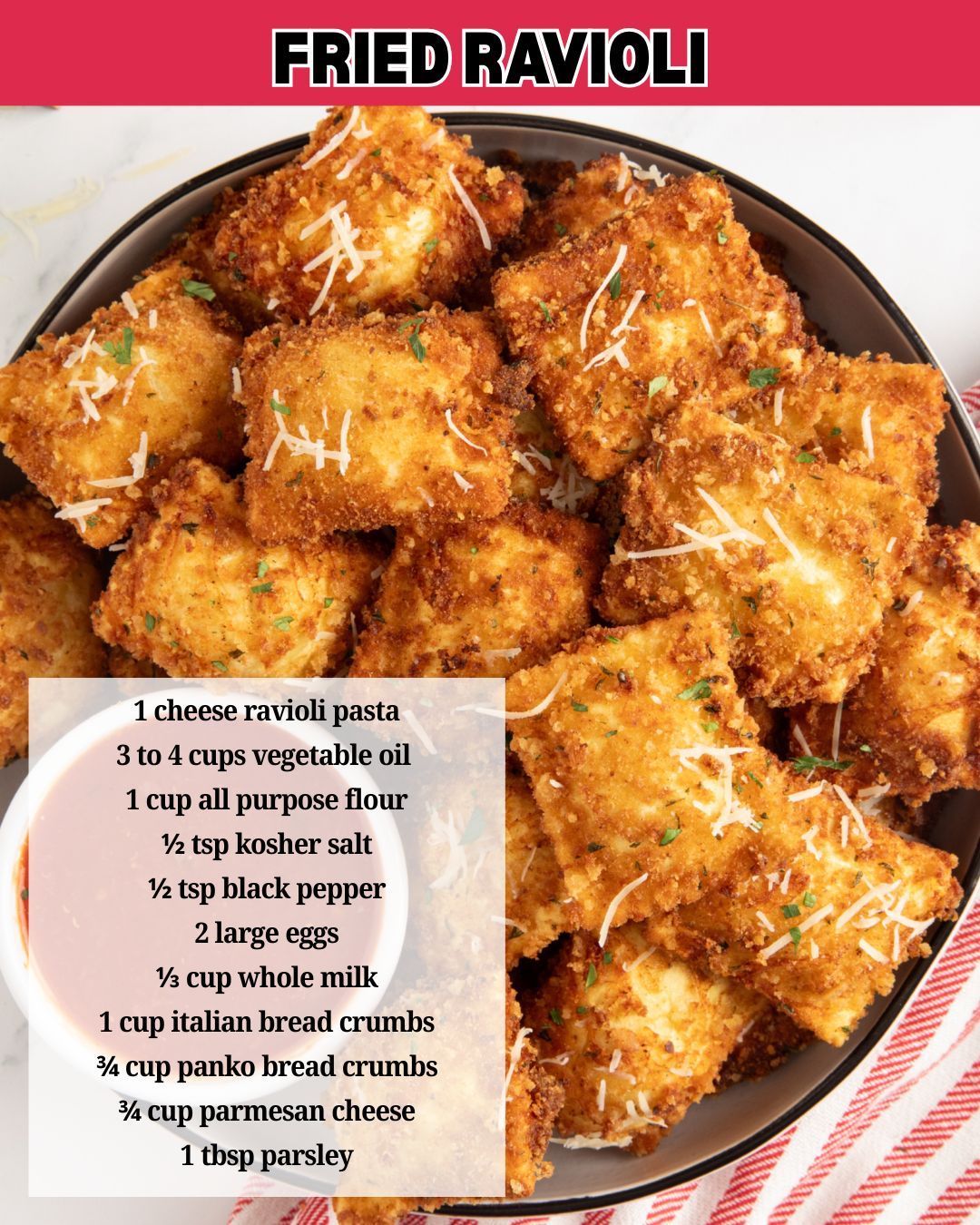
The pressing step in the breadcrumb mixture is another game-changer. I used to just lightly toss them, and I’d end up with patchy spots. Now, I really press the ravioli into the crumbs, turning and pressing again to ensure a thick, even, rugged coating. This “craggly” surface fries up so much crispier. Also, let your breaded ravioli sit on the rack for 5-10 minutes before frying if you have time. This lets the coating set and adhere better, preventing it from sloughing off in the oil.
Finally, trust your senses. You’re looking for a rich golden-brown color, not pale blonde. They should sound hollow and crisp when tapped with your tongs. And don’t forget to season the flour and the breadcrumb mixture well—that’s where your foundational flavor is built. The Parmesan adds saltiness, but that initial seasoning in the flour ensures every layer is delicious.
Common Mistakes to Avoid
One big mistake I made early on was using ravioli that were too wet. If you’re using fresh ravioli, pat them completely dry with paper towels before you start breading. Any surface moisture will cause the flour to clump and create a gummy layer that prevents the egg wash from adhering properly. It’s a small step, but it ensures your beautiful crunchy shell stays put from the first bite to the last.
Another classic error is overcrowding the pot. I know it’s tempting to fry more at once to get to eating faster, but it’s a trap. Adding too many ravioli at once causes the oil temperature to crash. The ravioli will soak up oil instead of sealing, becoming sad and soggy. Cooking in small, patient batches is the only way to achieve that perfect, greaseless crunch. Do not do what I did and try to fry them all at once!
Serving Suggestions
I love serving these ravioli straight from the fryer, piled high on a platter with small bowls of warm marinara sauce for dipping. The classic pairing is just perfect—the bright, tangy tomato sauce cuts through the rich, fried cheese beautifully. For a little extra flair, I’ll sometimes offer a side of creamy ranch dressing or a garlic aioli, too. My friends go crazy for the dipping options.
For a more complete meal, I turn these into the star of a casual dinner. I’ll serve a giant platter of them alongside a big, crisp Caesar salad loaded with shaved Parmesan and crunchy croutons. The cool, creamy dressing of the salad is the ideal complement to the hot, savory ravioli. It feels indulgent but balanced.
On game days or for parties, I set these out as the ultimate crowd-pleasing appetizer. I keep batches warm in a single layer on a sheet pan in a 250°F oven as I fry, and then bring them all out at once. They pair wonderfully with other finger foods like crispy chicken wings, celery sticks, and a cold pitcher of beer or a refreshing Italian soda. They always, always disappear first.
Variations & Customizations
The beauty of this recipe is how easily you can make it your own. While cheese is my go-to, I’ve had great success with meat-filled ravioli, like a beef and cheese blend. They fry up just as wonderfully and have a heartier, more robust flavor. Just be sure whatever filling you choose isn’t too watery. Spinach and cheese ravioli are another fantastic option, adding a little vegetal note that’s really delightful.
You can also play endlessly with the breading. For a spicy kick, I’ve added a teaspoon of crushed red pepper flakes and a pinch of cayenne to the breadcrumb mix. If I’m out of parsley, a teaspoon of dried Italian seasoning works beautifully. For an extra garlicky punch, I’ll add a teaspoon of garlic powder to the flour mixture. It’s a great way to use what you have on hand.
For a different cooking method, I’ve tested baking them. It works in a pinch! I arrange the breaded ravioli on a greased rack over a baking sheet, spray them generously with cooking spray, and bake at 425°F for about 12-15 minutes, flipping halfway. They won’t get quite as uniformly golden and crisp as the fried version, but they’re still very tasty and a great lighter alternative when I don’t feel like dealing with a pot of oil.
How to Store, Freeze & Reheat
Let me be honest: these are truly best eaten immediately. However, if you have leftovers (a rare occurrence in my house!), let them cool completely on the rack, then store them in a single layer in an airtight container in the fridge for up to 2 days. Do not stack them or they’ll get soggy. To reheat, never use the microwave—it turns the coating to rubber. Instead, spread them on a baking sheet and re-crisp them in a 375°F oven for 8-10 minutes. They won’t be quite as perfect as fresh, but they’ll be very good.
You can also freeze them before or after frying. To freeze before frying, complete the breading process, then lay the ravioli in a single layer on a parchment-lined sheet pan. Freeze until solid, then transfer to a freezer bag. Fry directly from frozen, adding a minute or two to the cooking time. You can also freeze already-fried ravioli. After cooling, freeze them on a sheet pan before bagging. Reheat frozen fried ravioli in a 400°F oven for 12-15 minutes until hot and crisp.
Conclusion
Making these Fried Ravioli has become one of my favorite kitchen rituals. It’s a recipe that feels special without being fussy, and it never fails to bring a smile to everyone’s face. I hope you’ll give it a try and experience that moment of pure joy when you bite into your first perfectly crispy, cheesy creation. Trust the process, embrace the sizzle, and get ready for the compliments. Happy cooking!