Equipment Needed
- Large pot for boiling pasta
- Large, deep skillet or braiser (I use my 12-inch cast iron skillet)
- Tongs or a slotted spoon
- Cheese grater
- Measuring cups and spoons
- Cutting board and sharp knife
Step-by-Step Instructions
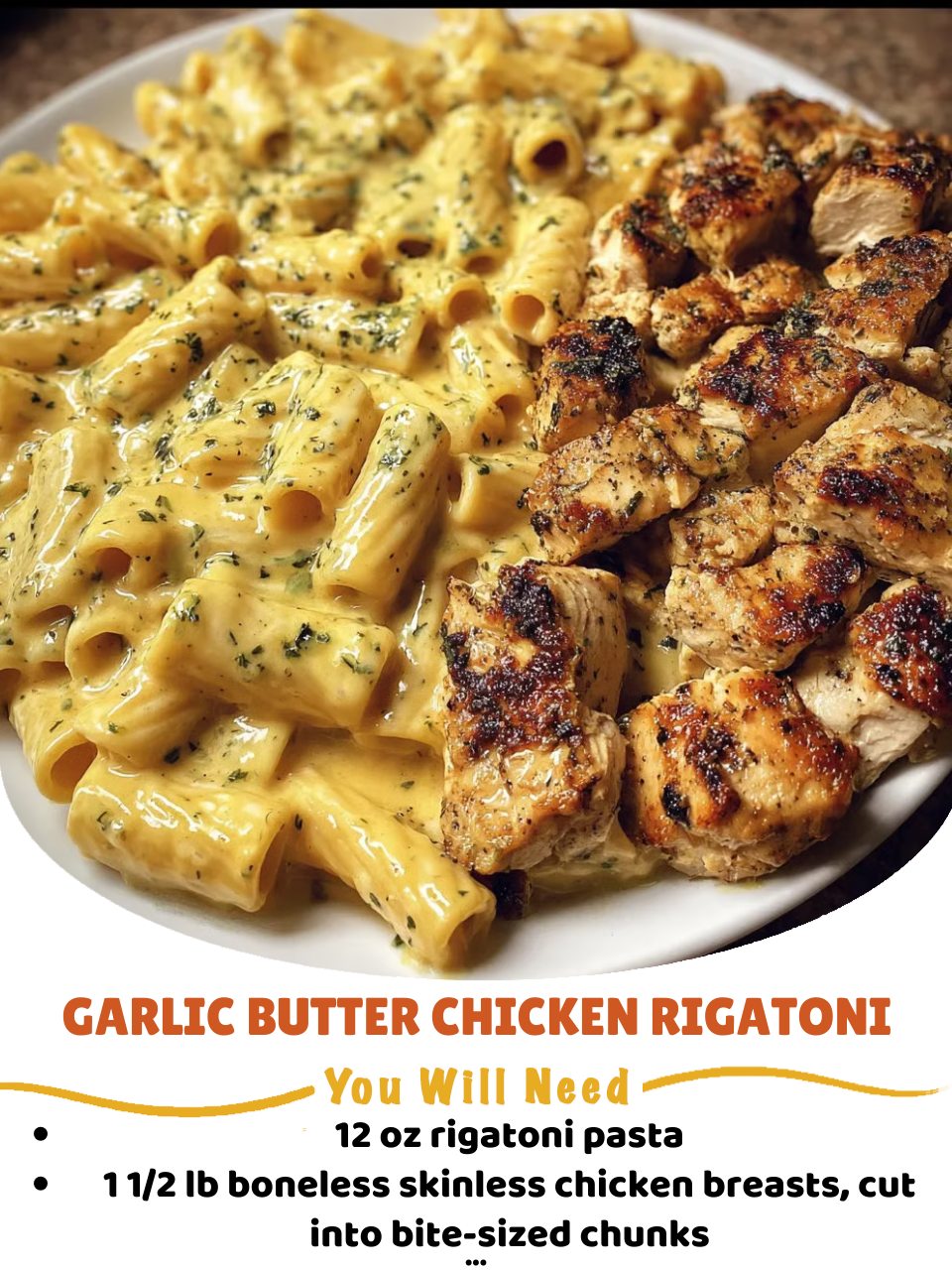
First, we’ll get everything ready. I bring my large pot of salted water to a boil—it should taste like the sea—and cook the rigatoni until it’s just al dente. It will finish cooking in the sauce later, so undercooking it slightly is key. While that’s going, I pat my chicken chunks very dry with paper towels (this is crucial for a good sear!) and toss them with the salt, pepper, and paprika. In my large skillet, I heat 2 tablespoons of the olive oil over medium-high heat. I cook the chicken in a single layer, letting it get a beautiful golden-brown crust without moving it around too much. This usually takes about 5-7 minutes total. I remove the chicken to a plate, and it will feel underdone inside—that’s perfectly fine.
Now, for the soul of the dish: the garlic butter sauce. I reduce the heat to medium-low and add the butter to the same skillet. Once it’s melted and foamy, I add the minced garlic. Here’s where I learned a timing mistake the hard way: you must watch it like a hawk. Garlic burns in a heartbeat and turns bitter. I stir it constantly for just about 45 seconds to a minute, until it’s fragrant but not browned. The smell at this point is absolutely heavenly. Then, I pour in the chicken broth to deglaze the pan, scraping up all those delicious browned bits from the chicken with my wooden spoon.
Next, I stir in the heavy cream and let the sauce simmer gently for about 3-4 minutes to thicken slightly. This is when I add my al dente rigatoni directly into the skillet. I toss it well, letting it drink up some of that sauce. Then, I reduce the heat to low and stir in the grated Parmesan cheese until it’s fully melted and the sauce is creamy and cohesive. If the sauce seems too thick, I’ll add a splash of the reserved pasta water to loosen it up.
Finally, I fold the cooked chicken, any accumulated juices, and the fresh spinach back into the skillet. I keep tossing until the spinach is just wilted and the chicken is heated through. I take the skillet off the heat entirely before stirring in the fresh herbs and that all-important squeeze of lemon juice. The residual heat is enough to blend everything without overcooking the herbs or making the cream separate. I give it one final taste for seasoning, and it’s ready to serve.(See the next page below to continue…)