Pro Tips for Best Results
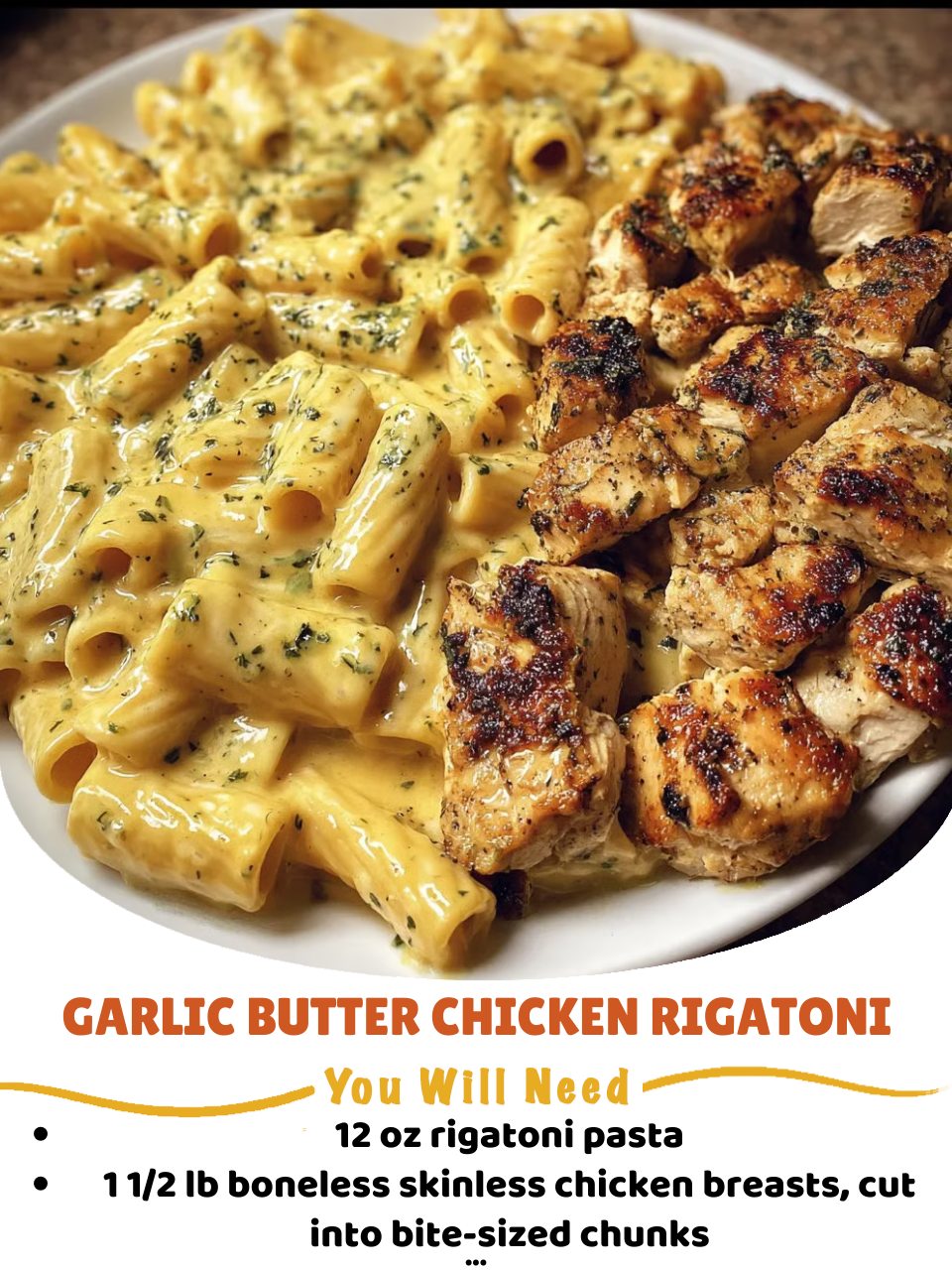
I tested the chicken sear three different ways: crowded in the pan, perfectly spaced, and in batches. Crowding the pan is the enemy of browning. The chicken will steam instead of sear. Give each piece some space, and if you need to, cook it in two batches. That golden crust adds an immense amount of flavor to the entire dish, so it’s worth the extra minute.
Reserving pasta water is a tip I preach for any pasta dish. The starchy, salty water is like liquid gold for sauces. When I add the parmesan, the sauce can sometimes seize up or become too thick. Adding a quarter-cup of this reserved water helps emulsify the sauce, making it silky and helping it cling to every noodle beautifully. I always keep a coffee mug of it next to the stove.
Don’t be tempted to add the lemon juice while the skillet is still on active heat. I did this once, and the acid can cause the heavy cream to curdle slightly. By taking the pan off the burner and letting it cool for just a minute, the lemon brightens the dish perfectly without any textural issues. It’s the final flourish that makes all the difference.
Common Mistakes to Avoid
The first time I made this, I made the classic mistake of adding cheese to a boiling sauce. It clumped up into a grainy, unpleasant mess. I learned the hard way: always take the sauce off the direct heat or reduce it to very low before adding your grated Parmesan. Stir it gently and consistently until it melts smoothly. This patience ensures a velvety, luxurious sauce instead of a gritty one.
Another pitfall is overcooking the chicken initially. Remember, you’re going to return it to the sauce to warm through. If you cook it all the way through in the first sear, it will be tough and dry by the time you serve it. Pull it off when it’s just cooked on the outside but still a bit underdone in the center. It will finish cooking perfectly in the last step, staying juicy and tender.
Serving Suggestions
I love serving this rigatoni directly from the skillet at the table—it feels so rustic and inviting. I always have a small bowl of extra grated Parmesan and a sprinkle of red pepper flakes on hand for those who want an extra kick. A simple side salad is my go-to pairing; something with a sharp, lemony vinaigrette cuts through the richness of the pasta perfectly.
For a vegetable side, I often roast some asparagus or broccoli with olive oil, salt, and pepper while I’m making the pasta. The crisp-tender, slightly charred veggies add a lovely textural contrast. A slice of crusty, warm garlic bread is also never a wrong choice for mopping up every last drop of that incredible sauce.
When I’m having friends over, I’ll start with a light appetizer like prosciutto-wrapped melon or some olives, and pair the meal with a crisp Pinot Grigio or a light-bodied Chardonnay. The wine’s acidity cleanses the palate beautifully between each decadent bite.
Variations & Customizations
This recipe is wonderfully adaptable. I’ve swapped the chicken for large shrimp, and it was fantastic. Just sear the shrimp quickly until pink and remove them, adding them back at the very end so they don’t overcook. For a vegetarian version, I’ve used hearty mushrooms like cremini or oyster in place of the chicken. Sauté them until deeply browned—they add a wonderful umami depth.
You can play with the greens, too. Instead of spinach, I’ve used chopped kale (just add it a minute earlier to soften) or even fresh arugula, which adds a lovely peppery note. If you want a sun-dried tomato twist, add a quarter-cup of chopped tomatoes and a tablespoon of their oil when you add the garlic. It creates a rosé-style sauce that’s absolutely delicious.
For an herby twist, try different combinations. Basil and oregano give it a more Italian flair, while a bit of tarragon offers a lovely, subtle anise note. If you’re out of fresh herbs, using a high-quality dried Italian seasoning blend (about 1 ½ teaspoons) in the sauce with the cream works in a pinch, though I still recommend a fresh garnish at the end.
How to Store, Freeze & Reheat
In my experience, this dish stores beautifully for up to 3 days in a tightly sealed container in the refrigerator. The sauce will thicken significantly as it chills. The best way I’ve found to reheat it is gently on the stovetop over low heat. Add a small splash of chicken broth, milk, or even water to loosen the sauce back up, stirring frequently until it’s warmed through. The microwave can work, but it often heats unevenly and can make the pasta rubbery.
You can freeze this pasta, but with a caveat. Cream-based sauces can sometimes separate or become grainy when thawed. If I do freeze it, I store it in an airtight container for up to 2 months. To reheat, I thaw it overnight in the fridge and then warm it very slowly on the stove, adding fresh cream or broth as needed to reconstitute the sauce. It won’t be quite as perfect as fresh, but it’s still a fantastic freezer meal for a busy night.
Conclusion
This garlic butter chicken rigatoni is more than just a recipe to me; it’s a reliable source of joy in my kitchen. It has never failed to deliver smiles and satisfied appetites, whether it’s a hectic Wednesday or a small dinner party. I hope it finds its way into your regular rotation and becomes a cherished, flavorful solution for those nights when you want something special without the stress. Now, go grab your skillet—your new favorite comfort food awaits.