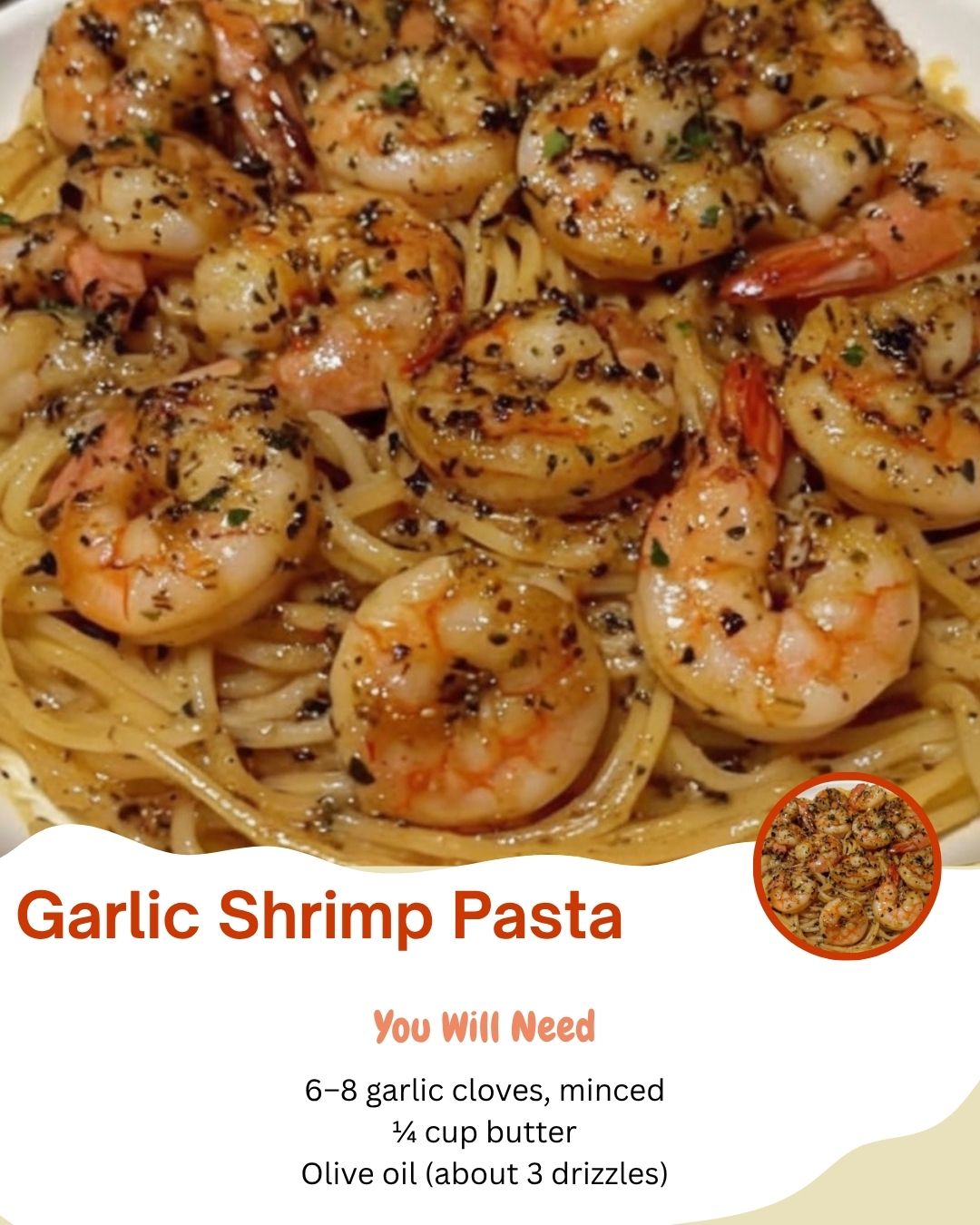
Add the chicken broth and let it bubble together for another 2-3 minutes. The sauce will start to look a little thin, but don’t worry. Reduce the heat to low. Add the drained pasta directly into the skillet. Toss it with the sauce, then add the grated Parmesan, a big squeeze of lemon juice, and most of the parsley. The magic happens now: add a splash of your reserved pasta water, a few tablespoons at a time, tossing continuously. The starch will emulsify with the butter and cheese, creating a creamy, luxurious sauce that clings to every strand. Finally, gently fold the shrimp back in, letting them warm through for just a minute. Give it a taste—it usually needs another pinch of salt and a crack of black pepper right at the end.
Pro Tips for Best Results
My number one tip is about timing: have everything prepped before you turn on the burner. Mince your garlic, chop your parsley, zest your lemon, grate your cheese, and have your wine and broth measured. This recipe is a swift dance, and you don’t want to be caught chopping parsley while your garlic threatens to burn. I tested this both ways—organized “mise en place” versus frantic scrambling—and the calm, organized approach yields a far better, less stressful result. You’ll actually enjoy the process.
Secondly, don’t skip the pasta water. I know it’s tempting to just drain and go, but that starchy water is the secret to a restaurant-quality sauce. It helps the fat (butter, oil) and the cheese bind into a smooth, cohesive sauce that coats rather than pools. Start with a quarter cup and add more as you toss. You’re looking for a sauce that smoothly glazes the pasta, not one that’s watery or greasy. It makes a stunning difference.
Finally, be bold with the finish. Take the dish off the heat before you add the final lemon zest, the last of the parsley, and an extra grating of Parmesan. The fresh, bright elements added at the end lift the entire dish. I also love a final extra drizzle of good olive oil over each serving plate—it adds a fruity note and makes the dish shine, literally. This is where you go from good to “can I have the recipe?”
Common Mistakes to Avoid
The most common mistake I made (repeatedly!) was overcooking the shrimp. It happens in seconds. Shrimp cook incredibly fast, and they continue to cook from residual heat once off the stove. That’s why we pull them out early. If you leave them in the pan through the sauce-making process, you’ll end up with tough, chewy little pucks. Trust me, no amount of garlic butter can save overcooked shrimp. Get that good sear, get them out, and let them relax.
Another pitfall is burning the garlic. Garlic goes from perfectly golden and sweet to acrid and bitter in a heartbeat. Keep your heat at medium-low once the butter goes in, and don’t walk away. Stir it constantly. If you’re nervous, you can even add a tablespoon of the broth with the garlic to temper the heat. And for the love of all that is good, grate your own Parmesan. The pre-grated stuff contains anti-caking agents that prevent it from melting smoothly into your sauce, leaving you with a grainy texture. The two minutes of grating is worth it.
Serving Suggestions
I love serving this pasta straight from the skillet, family-style, right in the middle of the table. The presentation is rustic and inviting. For a simple side, I almost always toss together a quick arugula salad with a lemon vinaigrette—the peppery greens cut through the richness of the pasta perfectly. A crusty baguette is also essential for sopping up every last drop of that garlicky sauce left on the plate; I’ve seen polite dinner guests finally just pick up their plates.(See the next page below to continue…)