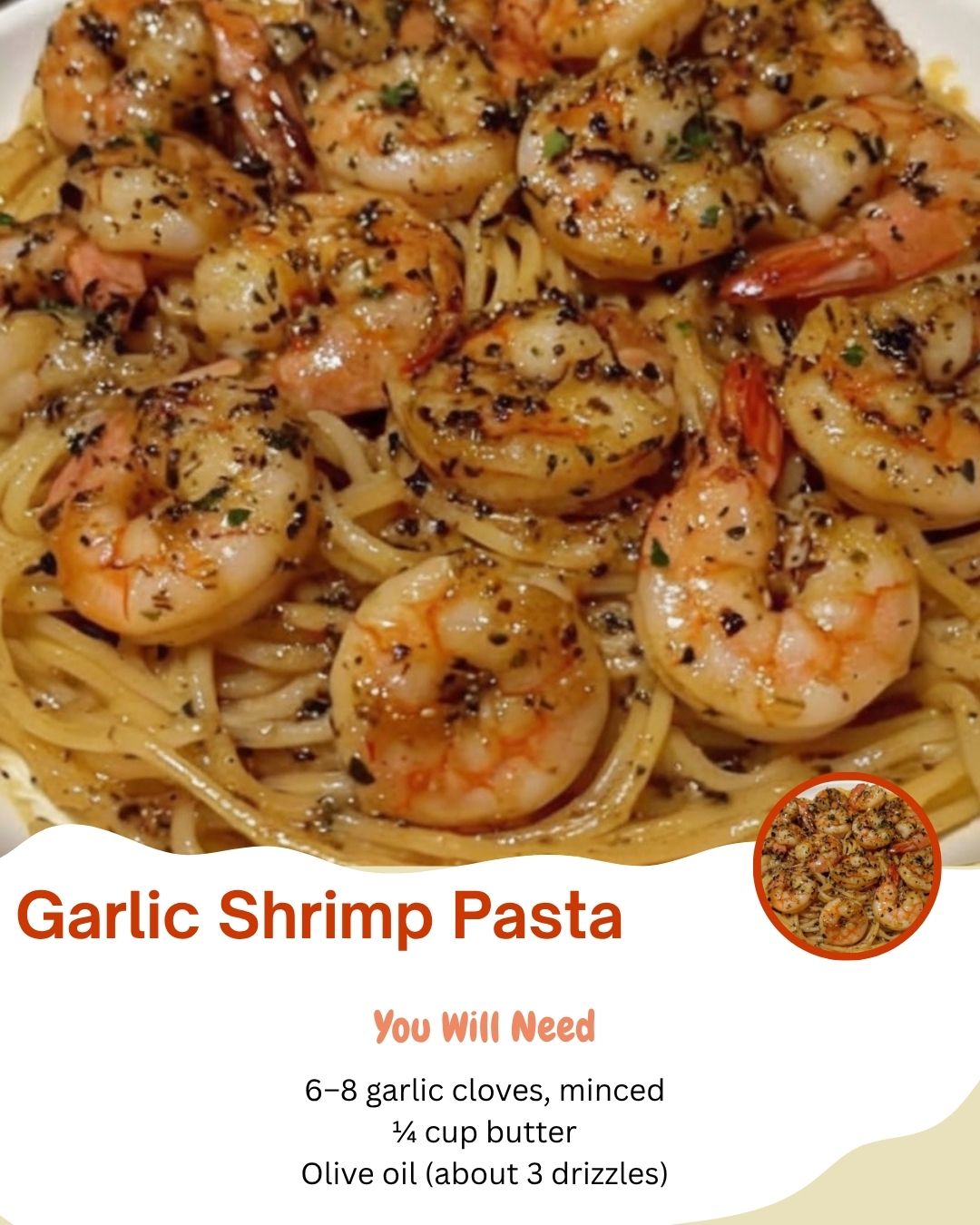
When I’m turning this into a more complete meal, I’ll add a side of roasted asparagus or broccoli. The char from the roasted vegetables pairs wonderfully. And while it’s perfect on its own, I sometimes top my bowl with a sprinkle of toasted breadcrumbs or pine nuts for a little crunch. A glass of the same white wine you used in the recipe is the ideal pairing—it just makes sense.
Variations & Customizations
This recipe is a fantastic canvas. When I want to add some veggies, I’ll sauté a handful of spinach or cherry tomatoes right after the garlic, just until the tomatoes blister and the spinach wilts. For a creamy version, which my sister adores, I stir in a 1/4 cup of heavy cream or half-and-half right after the broth. It becomes incredibly decadent, like a shrimp scampi Alfredo hybrid.
If you’re not a shrimp person, this sauce is brilliant with other proteins. I’ve made it with scallops (sear them just like the shrimp) and with bite-sized pieces of chicken breast. For a vegetarian twist, cannellini beans or even chunks of roasted cauliflower are wonderful, hearty substitutes that soak up the garlic butter beautifully. The core formula is forgiving, so make it your own.
How to Store, Freeze & Reheat
Leftovers (a rare occurrence in my house!) keep in an airtight container in the fridge for up to 2 days. Reheating is key: do not microwave it. The shrimp will become tough and the sauce will separate. Instead, gently reheat it in a skillet over low heat. Add a small splash of water, broth, or even a bit of milk to loosen the sauce as it warms, tossing frequently. This method preserves the texture much better.
I don’t recommend freezing the complete dish, as the dairy-based sauce can separate and the shrimp will become very rubbery upon thawing. However, you can freeze the garlic butter base! Sauté the garlic in butter and oil, let it cool, then freeze it in an ice cube tray. Pop out a cube or two for a super-quick future pasta night—just melt it in a pan and proceed with the recipe from the wine stage with fresh shrimp and pasta.
FAQ Section
Can I make this without alcohol?
Absolutely. I’ve tried it both ways. Simply substitute the white wine with an equal amount of additional chicken or vegetable broth, and add an extra tablespoon of fresh lemon juice to compensate for the lost acidity. It’s still delicious, though you’ll miss a tiny bit of that rounded flavor the wine provides.
My sauce looks oily/separated. What did I do wrong?
This usually happens if the heat was too high when combining everything, or if you didn’t use the starchy pasta water to emulsify. Next time, ensure your heat is low when adding the cheese and pasta water, and toss vigorously. To fix it now, try adding another tablespoon of pasta water (or even regular warm water) and toss over low heat.
What can I use instead of Parmesan?
For a similar salty, umami kick, try Pecorino Romano, which is a bit sharper, or a good-quality Asiago. If you need a dairy-free option, a tablespoon of nutritional yeast can add a cheesy flavor, though the texture of the sauce will be different. The Parmesan really helps thicken the sauce, so without it, you may want to let the sauce reduce a bit more.
Conclusion
This Garlic Shrimp Pasta has become more than just a recipe in my home—it’s a feeling. It’s the smell of a happy kitchen, the satisfaction of a quick triumph, and the comfort of a bowl that always delivers. I hope it finds its way into your regular rotation and becomes your secret weapon, too. Give it a try, tweak it to your taste, and most importantly, enjoy the process. Now, go forth and make your kitchen smell incredible. Happy cooking!