Pro Tips for Best Results
I tested this cake three different ways with the liquid component: hot water, hot milk, and hot coffee. While water makes a fantastic cake, the hot coffee version was the unanimous family favorite. It doesn’t taste like coffee at all; instead, it subtly intensifies the molasses and spice flavors, adding a rich, rounded depth that water alone doesn’t achieve. If you have it, use it.
Room temperature eggs are non-negotiable for me in this recipe. The first time I made it, I used cold eggs straight from the fridge, and my oil-molasses mixture seized up a little, making it harder to emulsify. Taking the eggs out 30 minutes before you start ensures everything blends into a smooth, homogenous batter, which translates to a more even crumb in your finished cake.
Here’s a timing tip I learned through a minor panic: the center of this cake can look slightly sunken when it’s perfectly done. If you wait for the center to be completely domed and a toothpick to come out totally dry, the edges will be overbaked. You want that fudgy, moist middle. So, look for those few clinging crumbs on the tester and a set edge, and trust the process. It will finish setting as it cools.
Common Mistakes to Avoid
The biggest mistake I made early on was overmeasuring the flour. I’d scoop my measuring cup right into the bag, packing in way too much flour and ending up with a dense, dry brick. Now, I always fluff my flour with a spoon, lightly spoon it into the cup, and level it off with a knife. This “spoon and level” method might seem fussy, but it makes a huge difference in achieving that tender, moist texture we’re after.
Another classic blunder is adding the baking soda directly to the dry ingredients. I did this once, distracted by a phone call, and my cake didn’t rise properly. The reaction between the hot liquid and the baking soda is what gives this cake its beautiful lift and open texture. Skipping that initial fizz means you miss out on that essential chemical reaction. Always dissolve it in the hot liquid right before mixing.
Serving Suggestions
I adore serving this cake slightly warm. Right after it’s cooled enough to handle, I’ll cut a square and place it in a bowl. Then, I pour a generous glug of cold heavy cream right over the top. It’s a simple, almost medieval way to serve it, and the way the cream soaks into the warm, spicy crumb is divine. It’s my personal, favorite weeknight indulgence.
For a more festive presentation, a dollop of softly whipped cream is non-negotiable in my house. I sweeten mine with just a tablespoon of the same brown sugar used in the cake and a whisper of vanilla. The cool, creamy sweetness against the deep, warm cake is the perfect balance. Sometimes, I’ll add a tiny bit of orange zest to the cream for a bright, citrusy note that cuts through the richness.
If I’m feeling particularly fancy or serving it for a special gathering, I’ll make a quick lemon glaze. Just whisk together some powdered sugar and fresh lemon juice until it’s drizzle-able and pour it artlessly over the cooled cake. The sharp, bright lemon is a stunning counterpoint to the dark, spicy gingerbread and makes the whole dessert feel elegantly finished.
Variations & Customizations
Once, on a whim, I added a heaping cup of fresh or frozen blueberries to the batter right before baking. They sank to the bottom (as I expected), creating a juicy, jammy berry layer beneath the spice. It was a fantastic summer twist on the winter classic. I’ve also folded in a handful of chopped crystallized ginger for an extra punch and chewy texture—just be sure to chop it finely so it distributes well.
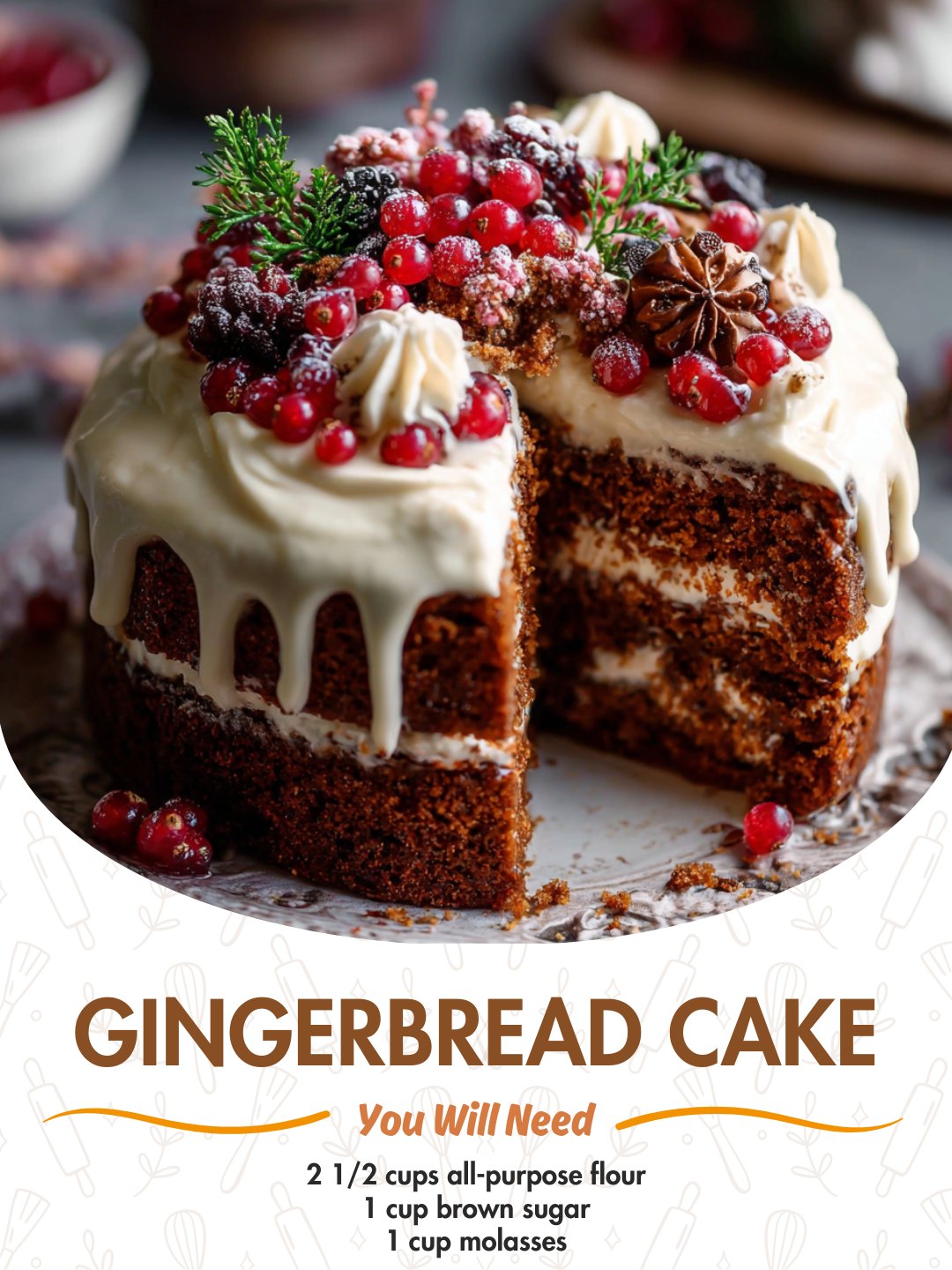
For a truly decadent treat, I’ve turned this into a stunning layer cake. I’ll double the recipe, bake it in two 9-inch rounds, and let them cool completely. Then, I fill and frost the layers with a rich, tangy cream cheese frosting. The contrast between the spicy cake and the creamy frosting is absolutely legendary. It’s a showstopper that always earns recipe requests.
If you’re a fan of textural contrast, try a streusel topping. Before baking, I’ll mix 1/4 cup flour, 1/4 cup brown sugar, two tablespoons of cold cubed butter, and an extra pinch of cinnamon into a crumbly topping. I sprinkle it over the batter in the pan. It bakes into a crunchy, sugary crust that gives every bite a wonderful crisp contrast to the soft cake beneath.
How to Store, Freeze & Reheat
This cake stores beautifully, actually improving in flavor after a day. Once completely cool, I wrap the whole cake (still in the pan or on a plate) tightly in plastic wrap. It stays incredibly moist at room temperature for up to 4 days. I’ve tried refrigerating it, but I find it dries out faster and the spices become muted, so I avoid the fridge unless my kitchen is very warm.
For long-term storage, freezing is fantastic. I let the cake cool completely, then cut it into individual portions. I wrap each piece tightly in plastic wrap and then place them all in a large freezer bag. They keep for up to 3 months. To reheat, I simply unwrap a frozen piece and microwave it for 30-45 seconds. It comes out tasting just-baked—warm, fragrant, and wonderfully soft. It’s my secret for having a perfect dessert ready in under a minute.
Conclusion
This gingerbread cake is more than just a recipe to me; it’s a jar of captured holiday spirit. It’s the simplicity of the process, the transformative scent it brings to my home, and the sheer joy of sharing a warm slice with someone I love. I hope it finds a place in your kitchen and becomes a cherished part of your traditions, too. Give it a try, and let that incredible aroma fill your home. Happy baking