Pro Tips for Best Results
Room temperature ingredients are your best friend here. I cannot stress this enough. Cold eggs or buttermilk will cause the beautifully creamed butter to seize up, resulting in a denser cake. I take my eggs and buttermilk out at least an hour before I start. If I forget, I place the eggs in a bowl of warm water for 10 minutes, and for the buttermilk, I microwave it in short 10-second bursts until it’s no longer cold—just barely lukewarm.
The mixing method is everything. Creaming the butter and sugar properly is non-negotiable. I set a timer for 5 minutes and let the mixer do its work. When adding the dry and wet ingredients alternately, I do it by hand sometimes for more control. I add one-third of the flour, mix on low until almost combined, then half the buttermilk, another third of flour, the rest of the buttermilk, and the final third of flour. This method keeps the batter from becoming tough.
Don’t overbake! This cake is so moist that the line between “perfectly done” and “slightly dry” is thin. The toothpick test with moist crumbs is key. Also, let the cake cool completely in the pan on a wire rack. I know it’s tempting to cut in, but if you try to remove it or frost it while warm, it will tear and crumble. I wait at least two hours. This patience allows the structure to set and the flavors to meld beautifully.
Common Mistakes to Avoid
The first time I made this, I was impatient and used cold eggs straight from the fridge. My beautiful, fluffy butter and sugar mixture immediately deflated and turned grainy. The cake still baked up, but it was heavier and more dense than the cloud-like texture I was after. Now, I’m militant about room temp ingredients. It seems like a small detail, but in baking, it’s a game-changer. Don’t do what I did!
Another pitfall is overmixing after adding the flour. As soon as you see the last streak of flour disappear into the batter, stop the mixer. Continuing to mix develops the gluten in the flour, which leads to a tough, chewy cake instead of a tender, delicate one. Use a spatula for the final fold and scrape, and then walk away. Trust that the few remaining lumps will work themselves out in the oven.
Serving Suggestions
I love serving this cake just slightly warm or at room temperature. It’s sublime all on its own with a dusting of powdered sugar, which lets the sweet potato and spice flavors truly shine. For a simple brunch, I’ll often enjoy a square with a hot cup of coffee—the spices pair so wonderfully with a dark roast.
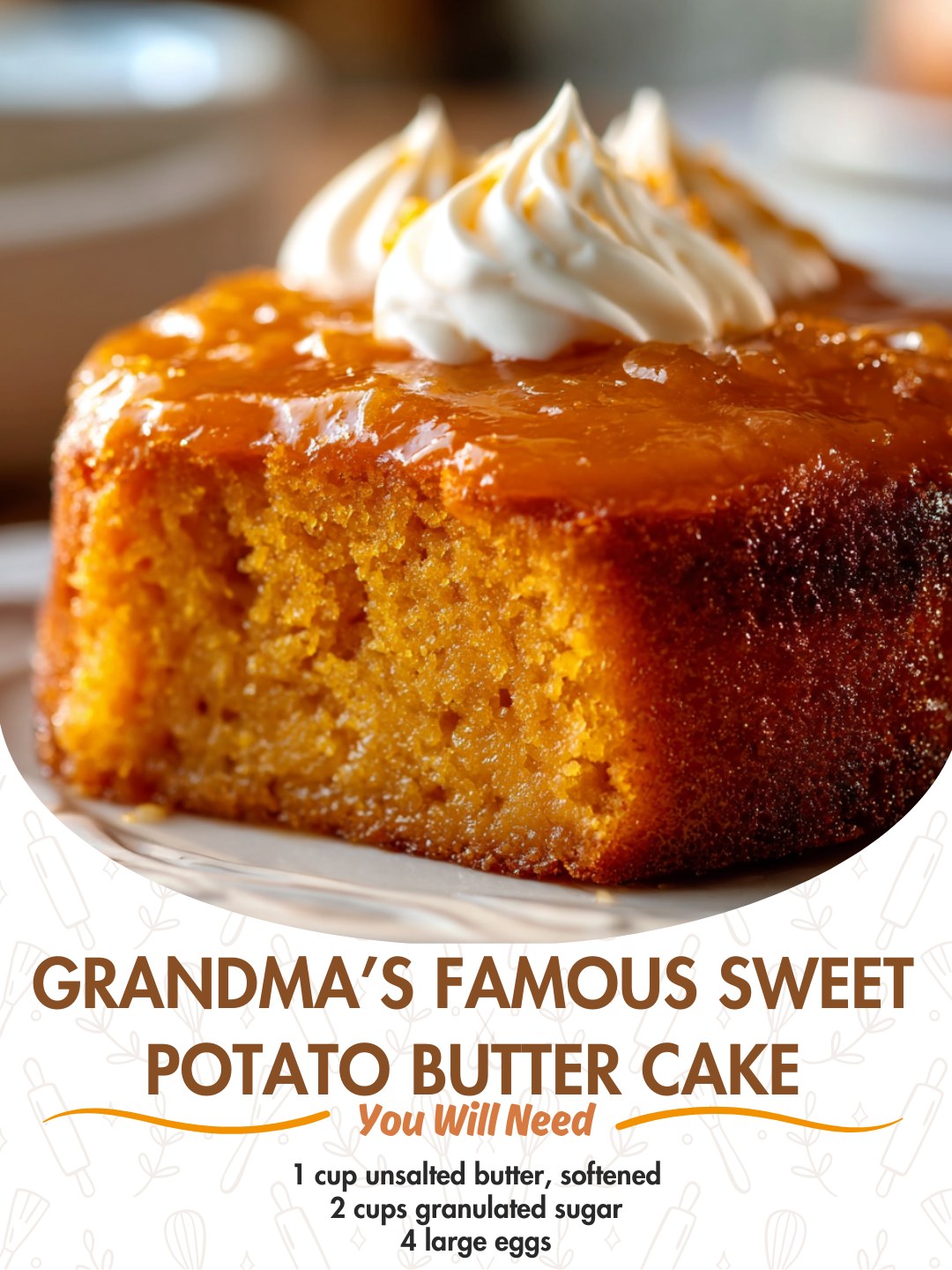
For a more decadent dessert, I have two go-to toppings. My absolute favorite is a simple maple glaze: just whisk together powdered sugar, a splash of pure maple syrup, a pinch of cinnamon, and enough milk to reach a drizzle consistency. I pour it over the cooled cake and let it set. The maple and sweet potato are a match made in heaven. Alternatively, a dollop of freshly whipped cream with a hint of vanilla is pure bliss.
If you’re feeling adventurous, try serving it à la mode with a scoop of vanilla bean ice cream or, my personal favorite, butter pecan. The contrast of warm cake and cold, creamy ice cream is irresistible. For a fall gathering, I’ve even paired it with a side of spiced apple compote, and my guests couldn’t stop raving about the combination.
Variations & Customizations
This recipe is wonderfully adaptable. I’ve made a fantastic “carrot cake” style version by adding a half-cup of crushed pineapple (well-drained) and a half-cup of shredded coconut to the batter. The pineapple keeps it incredibly moist and adds a lovely tropical note. Just fold them in at the very end with a handful of chopped walnuts or pecans for some crunch.
For a nutty, crunchy twist, I love making a streusel topping. I combine 1/2 cup brown sugar, 1/3 cup flour, 1/3 cup chopped pecans, 1 teaspoon cinnamon, and 4 tablespoons of cold cubed butter. I rub it together with my fingers until crumbly and sprinkle it over the batter before baking. It creates a delightful sweet, crunchy contrast to the soft cake beneath. It bakes up into a gorgeous, crackly top.
You can also play with the spices! I’ve swapped the ginger for a 1/4 teaspoon of ground cardamom for a more exotic, floral flavor. A friend of mine adds a teaspoon of orange zest to the wet ingredients, which brightens the whole cake beautifully. If you’re a chocolate lover, folding in a cup of chocolate chips is never a bad idea—they create lovely melty pockets throughout.
How to Store, Freeze & Reheat
To store, I keep the completely cooled cake right in the baking pan, covered tightly with aluminum foil or plastic wrap. It stays fantastically moist at room temperature for up to 3 days. You can also refrigerate it for up to 5 days, though I find refrigeration can slightly dry it out. If I do refrigerate it, I let individual slices come to room temperature before serving or give them a quick warm-up.
This cake freezes exceptionally well. I let it cool completely, then cut it into squares. I wrap each square individually in plastic wrap and then place them all in a large freezer bag. They keep for up to 3 months. To thaw, I simply take out a square and let it sit on the counter for a few hours, or I unwrap it and microwave it for 20-30 seconds for a warm, just-baked treat. It’s the perfect way to have a little comfort dessert on demand.
Conclusion
Grandma’s Famous Sweet Potato Butter Cake has earned a permanent spot in my recipe box and in my heart. It’s more than just a list of ingredients and steps; it’s the creation of a memory, a warm scent that fills your home, and a slice of pure comfort to share with the people you love. I hope you’ll make it, savor it, and maybe even create your own little traditions around it. Happy baking, friends—I can’t wait for you to try it.