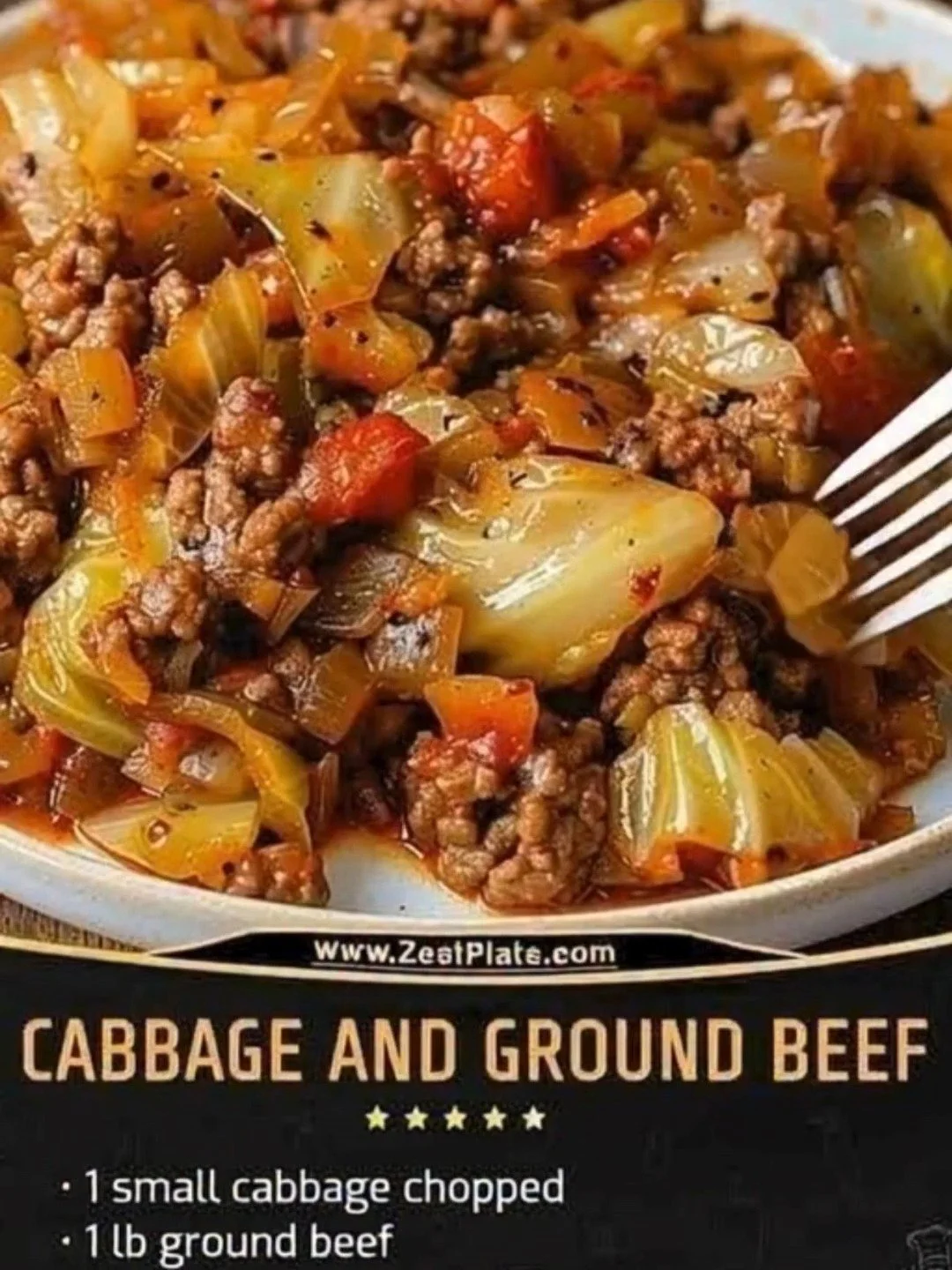
Next, I add the ground beef to the mix, breaking it apart with my spatula. I season the beef with salt, black pepper, and paprika, cooking until it’s browned all over. This process only takes about 5-7 minutes. Once the beef is perfectly cooked, I focus on the cabbage. I add the chopped cabbage directly into the skillet, stirring well to combine all the ingredients. The vibrant green of the cabbage against the browned beef is truly a sight to behold.
When the cabbage starts to soften, which takes about 5 minutes, I pour in the soy sauce and mix everything up again, letting it all simmer for another 3-4 minutes. The fresh cabbage will have a fantastic, tender texture, and the soy sauce adds a wonderful umami flavor to the dish. As it cooks, the smells waft through my kitchen, and I can hardly wait to dig in! For a little kick, I sprinkle in red pepper flakes around this time if I’m feeling adventurous. Finally, I taste the mixture to check the seasoning, adjusting as needed before transferring it all to a lovely serving dish, garnishing with fresh parsley if I have some on hand.
Pro Tips for Best Results
One of the first things I learned when making this recipe is to use fresh cabbage; it makes all the difference in texture and flavor. Wilted cabbage won’t deliver that satisfying crunch that I love. I generally prefer Savoy cabbage for its tender leaves, but regular green cabbage works beautifully too.
I also like to vary the seasonings sometimes. I tested this three ways using different spices like cumin and even taco seasoning when I’m feeling a bit daring. Each variation brings a new life to the dish, so feel free to experiment with what you have! Lastly, don’t rush the cooking process. While it’s tempting to hurry through, letting everything simmer a bit longer allows the flavors to meld beautifully.
When it’s time to serve, I pair this dish with a side of rice or crusty bread to soak up the delicious juices. I’ve found that a simple step like this can elevate the meal even further and makes every bite more satisfying.
Common Mistakes to Avoid
One common mistake I’ve made in the past is using too much heat while cooking the beef. I learned the hard way that high heat can dry out the meat, resulting in a less enjoyable texture. Instead, I now keep the heat at medium so that the beef can brown evenly and stay juicy. (See the next page below to continue…)
Another mishap is not properly chopping the cabbage. I’ve found that larger, uneven pieces can cook differently, leaving some parts too crunchy and others mushy. Aim for roughly uniform sizes when chopping – it helps everything cook evenly.
Also, don’t shy away from seasoning! It might be tempting to hold back, especially if you’re unsure, but it’s essential to taste for seasoning throughout cooking. Sometimes I add a splash more soy sauce or a pinch more salt, and it’s amazing how just a little tweak can enhance the overall dish.
Finally, I’ve also overcooked the cabbage before, turning it soggy rather than tender-crisp. The key is to add it towards the end and keep an eye on it. Cabbage can overcook surprisingly fast!