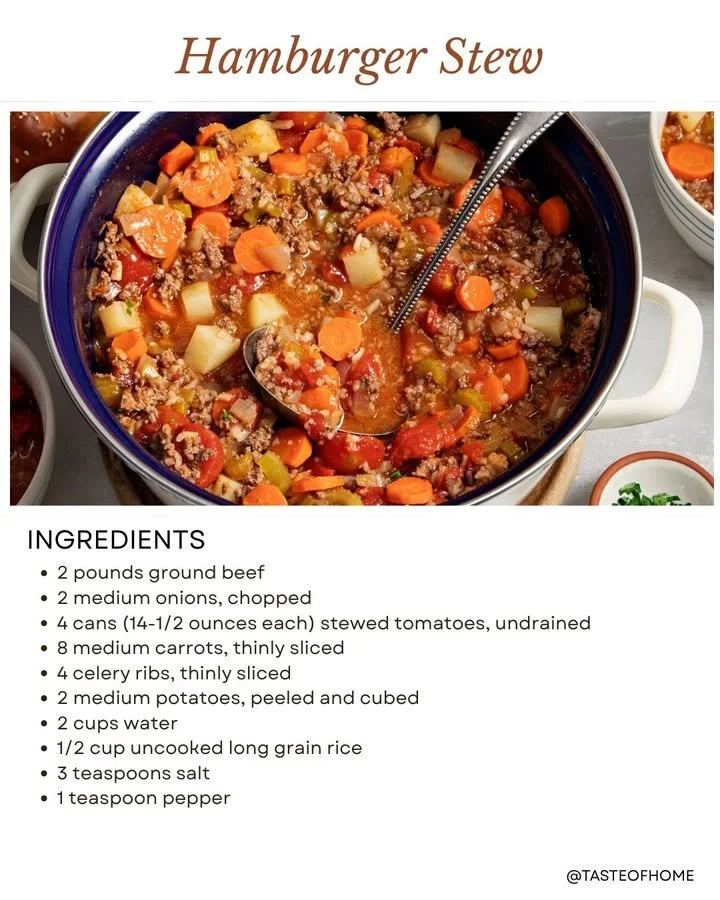
Next, I stir in the minced garlic and cook for just a minute more. You really want to keep an eye on it so the garlic doesn’t burn—that can happen quickly! After that, I toss in the sliced carrots and diced potatoes, stirring them in nicely. Then it’s time to pour in the beef broth, add in the dried thyme and Worcestershire sauce, and season with salt and pepper to taste. I bring everything to a gentle boil and then reduce the heat to let it simmer.
At this point, I love how colorful and inviting the pot looks with all those veggies swimming around. I let the stew simmer for about 20 minutes, until the vegetables are tender and the flavors have blended beautifully. There’s something so comforting about watching it bubble away on the stove! About five minutes before serving, I toss in the frozen peas, giving them just enough time to heat through without losing their vibrant color.
Finally, I give the stew a good stir, taste for seasoning (because can we all agree that tasting is crucial?), and then ladle it into bowls. I usually serve it with some crusty bread on the side to soak up all that delicious broth!
Pro Tips for Best Results
I’ve tested this recipe a few ways to see what flavor combinations I love most. One of the biggest game-changers for me was adding a splash of red wine to the broth. It deepens the flavor profile beautifully, giving the stew an extra layer of richness. If you’re looking for a fun twist, do give that a try!
Also, I recommend using Yukon gold potatoes if you can—they hold their shape well during cooking and add a lovely creaminess to the stew. I once used russets, and while they taste great, they can become mushy pretty quickly, which changes the stew’s texture.
Lastly, don’t shy away from adjusting the spices. Some days, I enjoy a little kick, so I add a pinch of red pepper flakes. Other times, I love it just as it is. This stew is a wonderful canvas for whatever flavors you want to explore!
Common Mistakes to Avoid
One common mistake I’ve made in the past is not browning the beef properly. Skipping that step can leave your stew tasting a bit bland since browning the meat really enhances the flavor. So take your time with it—let those little brown bits form in the pot; they’re where the magic happens! (See the next page below to continue…)