Pro Tips for Best Results
Let me save you from my first-time mistake: thoroughly thaw those hash browns. I was impatient once and used them still frosty. The casserole took nearly 90 minutes to bake through, and the center was still cool while the edges were overdone. Letting them thaw ensures even cooking and perfect texture. I now set them in the fridge overnight or on the counter for an hour while I prep everything else.
For the ultimate flavor, consider browning your hash browns slightly before mixing. I tested this three different ways: straight from frozen, just thawed, and par-cooked. If I have an extra 15 minutes, I’ll spread the thawed hash browns on a sheet pan and bake them at 400°F for about 10-15 minutes just to dry them out and get a tiny bit of color. This step removes excess moisture and gives the casserole a more complex, toasty potato flavor.
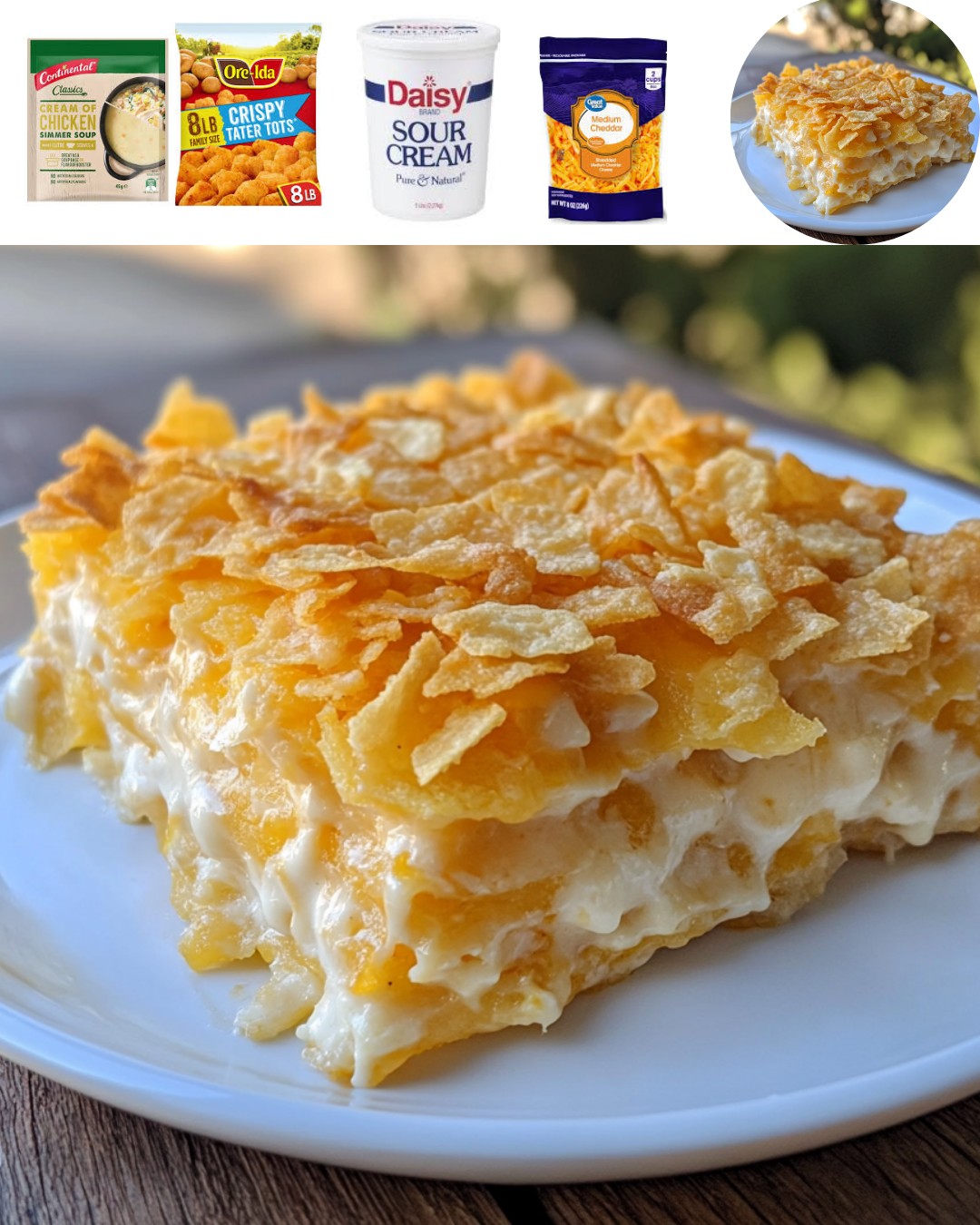
The resting period is a game-changer. I know it’s hard to wait when your kitchen smells this good, but let the casserole sit for 10-15 minutes after pulling it from the oven. This allows the creamy sauce to set just enough so you get clean, beautiful squares when you cut into it. If you cut it immediately, it will be a delicious but soupy mess on the plate.
Common Mistakes to Avoid
The biggest mistake I made early on was over-mixing after adding the hash browns. I was using a spoon and really working it, which broke down the potato shreds and made the texture mushy. Now, I fold everything together gently with my hands just until combined. You want to maintain the integrity of the shredded potatoes for that classic casserole texture.
Don’t skip sautéing the onion. I made this mistake the first time—I was in a hurry and just tossed the raw diced onion in. The flavor was harsh and stood out awkwardly against the creamy backdrop. Taking that five minutes to soften them in butter mellows their flavor completely and allows them to disappear into the sauce, adding sweetness without any sharp bite.
Serving Suggestions
I love serving this casserole straight from the oven as the hearty centerpiece of a big weekend brunch. It pairs beautifully with fluffy scrambled eggs or crispy bacon on the side. The rich, savory casserole needs something bright to cut through it, so I always offer a bowl of fresh fruit or a simple arugula salad with a lemon vinaigrette. It’s the perfect balance.
For a heartier dinner, this casserole is a fantastic side dish. I’ll serve it alongside roasted chicken or a juicy pork loin. It replaces traditional potatoes or stuffing but feels so much more special. My family even loves it with a simple grilled steak; the creamy potatoes are the ideal complement to a charred, savory piece of meat.
Leftovers (if you have any!) are a treasure. I like to scoop a cold square straight from the fridge for a quick snack—it’s strangely delicious. Or, I’ll reheat individual portions in a skillet with a little butter until the edges get extra crispy again. It makes for a phenomenal quick breakfast during the week.
Variations & Customizations
This recipe is a wonderful canvas. For a vegetarian version, I simply swap the cream of chicken soup for cream of mushroom. I’ve also added a cup of chopped steamed broccoli or spinach to the mix for a veggie boost—just make sure to wring out any excess moisture from the greens thoroughly. My friend adds a pound of cooked, crumbled breakfast sausage right into the mix, and it turns into a full-meal delight.
If you want to play with the cheese, go for it! I sometimes use a combo of sharp cheddar and Gruyère for a more sophisticated, nutty flavor. Pepper Jack cheese is also fantastic if you want a little kick. A dollop of cream cheese blended into the sour cream mixture makes it even richer and more decadent, perfect for a holiday gathering.
The topping is also customizable. Beyond Ritz or cornflakes, I’ve used crushed potato chips, French fried onions, or even a mixture of panko breadcrumbs and grated Parmesan for a different crunch profile. Each one brings its own personality to the dish, so feel free to use what you love or have on hand.
How to Store, Freeze & Reheat
To store leftovers, I let the casserole cool completely, then cover the baking dish tightly with plastic wrap or transfer portions to an airtight container. It will keep in the refrigerator for up to 4 days. To reheat, I find the oven or toaster oven is best to recrisp the topping. I’ll cover it with foil and warm it at 325°F for 15-20 minutes, then remove the foil for the last 5 minutes. The microwave works in a pinch but will soften the topping.
This casserole freezes beautifully, which I do often for easy future meals. I assemble it completely, add the topping, but instead of baking, I wrap the whole dish tightly in a double layer of plastic wrap and then a layer of foil. I label it and freeze for up to 3 months. To bake from frozen, I don’t thaw it. I just remove the plastic wrap, cover it with the foil, and bake it at 350°F for about 90 minutes, removing the foil for the last 20-30 minutes to brown the topping. It comes out perfectly every time.
Conclusion
This Hashbrown Casserole is more than just a recipe in my book; it’s a warm, cheesy hug on a plate. It’s the dish I make when I want to see smiles around the table, when I need a reliable potluck contribution, or when I simply crave the comforting flavors of home. I hope it finds a place in your recipe rotation and becomes a cherished favorite in your kitchen, just as it has in mine. Happy cooking