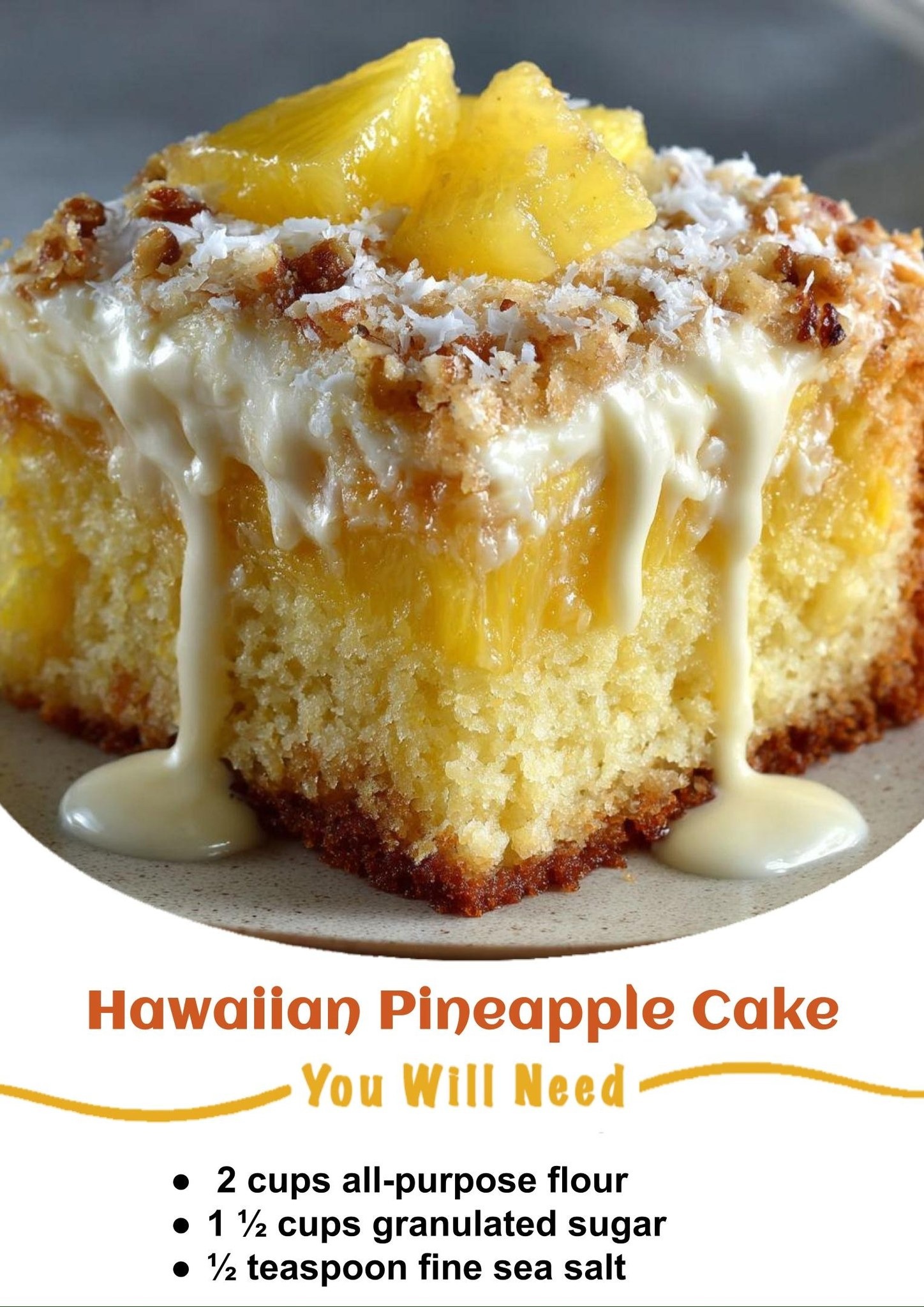
Pro Tips for Best Results
Room temperature eggs are a small detail that makes a big difference. They incorporate more evenly into the dense batter, creating a better crumb. If I forget to take them out in advance, I place them in a bowl of warm water for 5-10 minutes. Also, when testing for doneness, don’t just check the very center; poke a couple of spots, as the fruit can create variable pockets of moisture.
For the frosting, sifting the powdered sugar is a step I never skip anymore. I once got lazy and ended up with tiny lumps of sugar throughout my otherwise creamy frosting. It’s worth the extra minute. And when beating the cream cheese and butter, give it a full two minutes. You want it to be pale and whipped, as this incorporates air and prevents the frosting from being too heavy.
Let the cake cool in the pan on a wire rack. This allows air to circulate and stops the cooking process evenly. If you try to frost it while it’s even slightly warm, the frosting will melt, weep, and become a greasy mess. I speak from a very sad, delicious-looking-but-soggy experience. Patience truly is a virtue here.
Common Mistakes to Avoid
The biggest mistake I made early on was draining the pineapple. It seems logical, right? All that extra liquid must be bad. Wrong. That juice is what creates the signature moist, almost pudding-like texture of the cake and carries the tropical flavor into every single bite. Pour it all in. Your cake will thank you.
Another pitfall is overmixing the batter. Once you add the wet ingredients to the dry, switch to a folding motion with a spatula and mix just until you no longer see dry streaks of flour. A few lumps are fine. Overworking the gluten in the flour will make the cake tough and chewy instead of soft and tender. I’ve tested this three different ways, and gentle mixing always wins.
Serving Suggestions
I love serving this cake straight from the pan, cut into generous squares. It’s fantastic all on its own with a cup of coffee in the afternoon. For a more decadent dessert, I’ll sometimes add a scoop of vanilla bean ice cream or a dollop of lightly sweetened whipped cream on the side. The cold cream against the moist, room-temperature cake is absolute heaven.
For a summer barbecue, this cake is a star. Its tropical vibe pairs perfectly with grilled meats and fresh salads. I often garnish the whole pan with thin slices of fresh pineapple or a scattering of edible flowers to make it look extra special. It always feels like a celebration.
If I’m feeling fancy for a dinner party, I’ll use the parchment overhang to lift the entire cake out of the pan, place it on a serving board, and frost it there. Then, I cut it into smaller, elegant rectangles. Presented this way, it feels much more sophisticated, yet the work was exactly the same. It’s all about the presentation!
Variations & Customizations
This recipe is wonderfully adaptable. If you’re not a fan of nuts, simply leave them out—the cake is still fantastic. For a tropical twist, I’ve folded in 1 cup of sweetened shredded coconut into the batter along with the pineapple. It adds a wonderful chewy texture and even more island flavor.
For a different frosting, a simple whipped cream or even a brown sugar glaze can be lovely. I once made a brown butter glaze that was phenomenal. You could also skip frosting altogether and dust the cooled cake with a heavy shower of powdered sugar for a simpler, lighter treat.
If you want to play with the fruit, try using tidbits or even chunk pineapple, chopped a bit smaller. I’ve seen versions with a layer of maraschino cherries in the bottom of the pan before adding the batter, which creates a beautiful upside-down effect when served. I’m tempted to try it with mango next time!
How to Store, Freeze & Reheat
This cake stores beautifully. I cover the pan tightly with plastic wrap or foil and keep it in the refrigerator for up to 5 days. The cold actually makes it even more moist and fudgy. You can serve it cold or let individual slices come to room temperature for about 20 minutes before serving.
Yes, you can freeze it! I freeze the unfrosted cake whole (wrapped tightly in a double layer of plastic wrap and foil) for up to 3 months. Thaw overnight in the fridge. I prefer to make and add the fresh cream cheese frosting after it’s thawed. You can also freeze individual frosted slices on a parchment-lined tray before transferring to a container, for ready-to-go portions. They thaw perfectly in about an hour.
Conclusion
This Hawaiian Pineapple Cake is more than just a recipe to me; it’s a little jar of sunshine I can open anytime I need a smile. It’s proof that the most memorable dishes are often the simplest, made with joy and shared with love. I hope it finds a special place in your recipe box and becomes a requested favorite in your home, just as it has in mine. Now, go preheat that oven—your tropical escape awaits