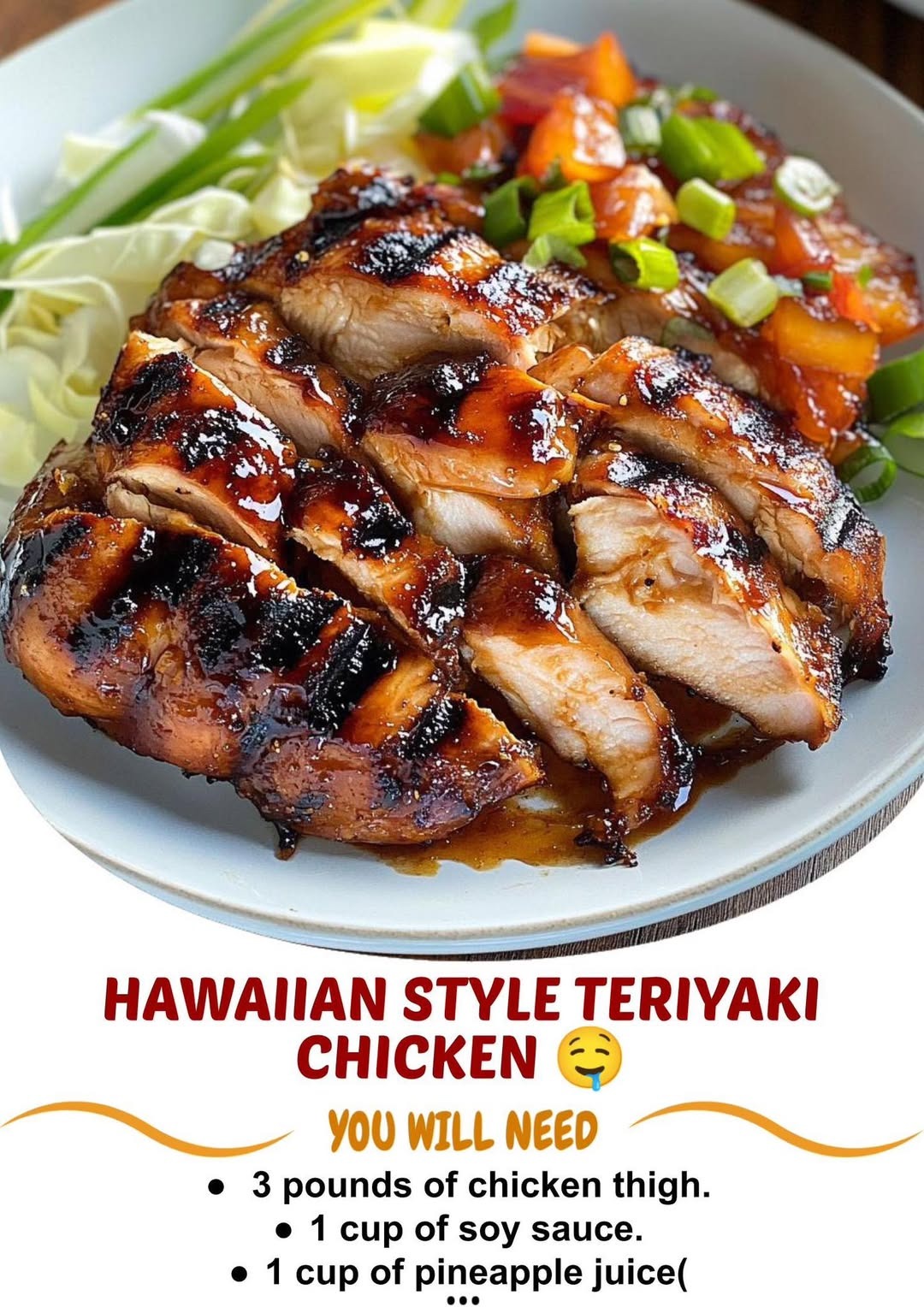
Equipment Needed
- A large mixing bowl or gallon zip-top bag
- A large, heavy-bottomed skillet or Dutch oven with a lid
- Tongs
- Whisk
- Measuring cups and spoons
- A microplane or fine grater for the ginger and garlic
Step-by-Step Instructions
First, we’ll marinate. I place the chicken thighs in my large bowl and pour in the soy sauce, pineapple juice, brown sugar, rice vinegar, minced garlic, grated ginger, and sesame oil. I use my (clean) hands to squish everything together, making sure each piece is lovingly coated. This isn’t a fussy, 30-minute marinade—I’ve learned the hard way that to get that flavor deep into the meat, you need time. I cover it and let it sit in the fridge for at least 2 hours, but honestly, when I remember, I do it in the morning before work. The difference in flavor penetration is incredible.
When I’m ready to cook, I pull the chicken from the fridge. Using my tongs, I lift the thighs out of the marinade and let the excess drip off, but I reserve every last drop of that marinade in the bowl—this is liquid gold! I heat my large skillet over medium-high heat and sear the chicken for about 4-5 minutes per side, until I get a beautiful, caramelized crust. It will not be cooked through yet, and that’s perfectly fine. The sizzle and smell at this stage are pure kitchen magic.
Once the chicken is nicely seared, I pour all of that reserved marinade right into the skillet. It will bubble and steam dramatically, which is exactly what you want. I then reduce the heat to low, cover the skillet with a lid, and let it simmer gently for 25-30 minutes. This braising step is where the magic happens, tenderizing the chicken and infusing it completely. I use this time to start my rice and maybe steam some broccoli.
For the final touch, I remove the now-tender chicken to a plate and tent it with foil. I turn the heat up to medium and bring the sauce to a simmer. I give my cornstarch slurry a quick re-stir and whisk it into the sauce. In just a minute or two, it transforms from a thin liquid to a lush, glossy glaze that coats the back of a spoon. I return the chicken to the skillet, spooning the sauce over it, and let it heat through for just another minute. Trust me, this glazing step makes the presentation restaurant-worthy.(See the next page below to continue…)