Pro Tips for Best Results
Pat your chicken thighs dry with a paper towel before marinating. I tested this both ways—straight from the package and dried—and the drier chicken seared much more effectively, giving us that crucial golden crust without steaming. That Maillard reaction is flavor you can’t get back later!
I’ve made the sauce thickening mistake more than once. If you add the cornstarch directly to the hot liquid, you’ll get lumps. Always, always make a slurry with cold water first. And when you whisk it in, do so gradually. You can always add more if you want it thicker, but you can’t take it out.
Don’t rush the braise. That low-and-slow simmer under the lid is what guarantees fall-apart tender chicken. If your sauce is reducing too quickly and starting to look syrupy before the chicken is done, just add a couple tablespoons of water, put the lid back on, and carry on. I’ve had to do this when my heat was accidentally too high, and it saved dinner.
Common Mistakes to Avoid
The biggest mistake I made the first time was using the marinade straight from the bowl without boiling it in the cooking process. You must cook the marinade that touched the raw chicken to make it safe to eat as a sauce. That’s why we sear the chicken first, then add the marinade to the pan to boil and reduce. Do not skip this step for food safety!
Another early error of mine was overcrowding the skillet when searing. If you put all the thighs in at once, they’ll steam and stew in their own juices instead of getting that gorgeous sear. I now cook them in two batches if my skillet isn’t huge. It feels like an extra step, but it makes a world of difference in both texture and flavor development. A little patience here pays off immensely.
Serving Suggestions
I almost always serve this chicken over a big fluffy bed of steamed white jasmine rice. The rice soaks up the extra teriyaki glaze in the most glorious way. For a lower-carb option, cauliflower rice works wonderfully too—it still grabs all that delicious sauce.
For veggies, I love keeping the island theme with a side of quick-steamed broccoli or snap peas, or even grilled pineapple rings. The char on the pineapple echoes the flavors in the dish perfectly. Sometimes, I’ll shred some cabbage for a quick, vinegary slaw to add a crunchy, fresh contrast to the rich chicken.
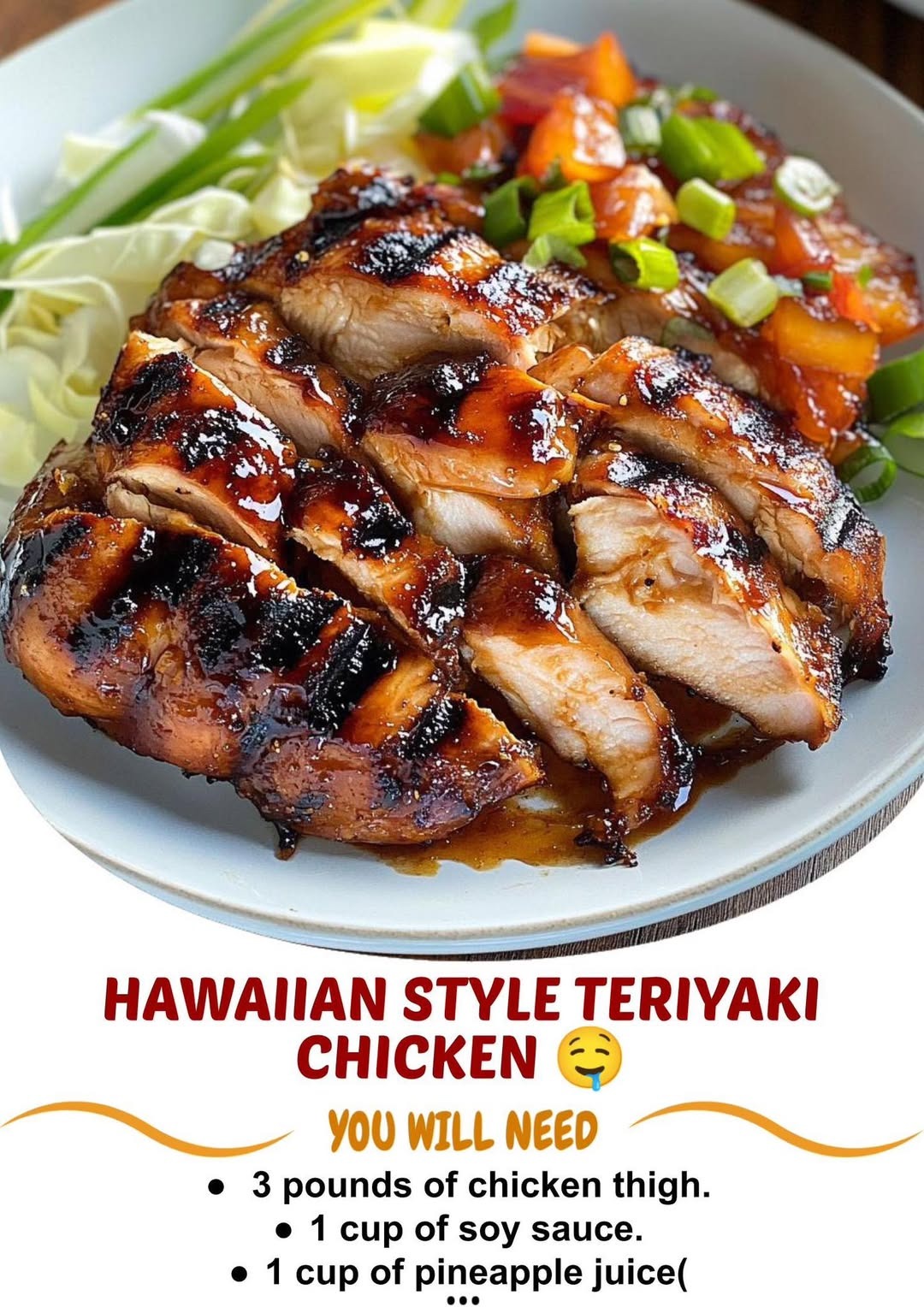
Presentation is simple but effective. I pile the chicken and sauce over the rice, then finish with a generous sprinkle of thinly sliced green onions and a shower of white sesame seeds. That pop of green and the nutty crunch make it look like you spent hours, and it takes literally ten seconds. I sometimes add a few red pepper flakes for those who like a little heat.
Variations & Customizations
If you’re a pineapple lover like me, try adding 1 cup of fresh pineapple chunks to the skillet when you add the marinade to braise. They break down a bit and sweeten the sauce even more. I’ve also made this with pork tenderloin, sliced into medallions, and it was fantastic—just reduce the braising time to about 15 minutes so the pork doesn’t overcook.
For a different twist, swap the pineapple juice for orange juice and add a tablespoon of orange zest to the marinade. It creates a brighter, citrus-forward teriyaki that’s equally delicious. A friend of mine adds a tablespoon of smooth peanut butter to the sauce at the end for a hint of Thai-inspired flavor, and it’s surprisingly good.
If you need to make it gluten-free, simply ensure you’re using a certified gluten-free soy sauce or tamari. The rest of the ingredients are naturally gluten-free. I’ve made it this way for a friend, and she said it was one of the best gluten-free meals she’d had in ages.
How to Store, Freeze & Reheat
Leftovers (if you have any!) keep beautifully. I store them in an airtight container in the fridge for up to 4 days. The sauce may thicken when cold, which is normal. To reheat, I do it gently in a skillet over low heat with a tiny splash of water or chicken broth to loosen the sauce back up. Microwaving can make the chicken a bit rubbery, so the stovetop is my preferred method.
This dish freezes wonderfully. I let the cooked chicken and sauce cool completely, then portion it into freezer-safe bags or containers. It keeps for up to 3 months. To serve, I thaw it overnight in the fridge and reheat it on the stovetop, again adding that splash of liquid. It’s a lifesaver for future busy nights, and the flavor holds up perfectly.
Conclusion
This Hawaiian Style Teriyaki Chicken is more than just a recipe in my home—it’s a feel-good tradition, a guaranteed smile-maker, and proof that incredible flavor doesn’t have to be complicated. I hope it brings as much joy and simplicity to your table as it has to mine. Now, go turn on some island tunes, fire up the stove, and get ready for your own mini kitchen vacation. You’ve got this!