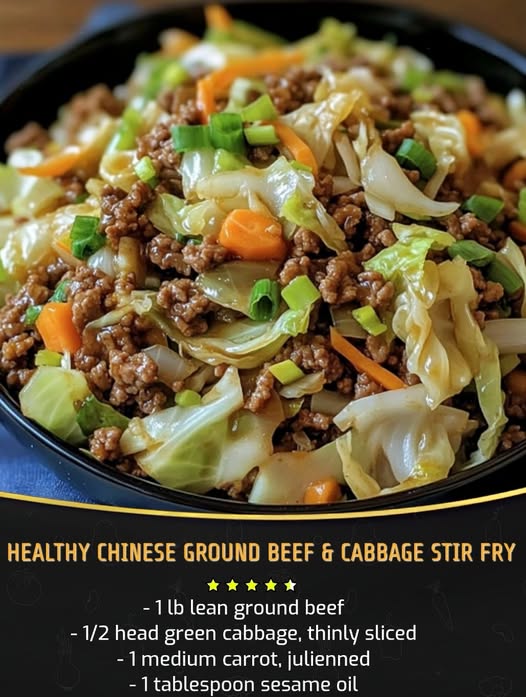
Pro Tips for Best Results
The single biggest game-changer for me was getting my wok screaming hot before adding anything. A hot wok means quick cooking, which gives you that coveted “wok hei” (breath of the wok) flavor and prevents the veggies from getting soggy. I test it by flicking a tiny drop of water into it—if it dances and evaporates instantly, you’re ready. Don’t be shy with the heat.
I’ve tested the cabbage both thinly sliced and roughly chopped, and trust me, the thin slice is the way to go. It cooks evenly, picks up the sauce better, and has a more pleasant texture. If your cabbage pieces are too thick, they can stay raw and watery in the middle while the edges are done. Take the time with your knife here; it makes a huge difference.
Don’t skip the cornstarch in the sauce. I tried it once without, thinking I wanted a lighter sauce, and it just pooled at the bottom of the wok and didn’t cling to the beef and cabbage at all. The cornstarch slurry creates that gorgeous, glossy coating that makes every bite flavorful. It’s the difference between a stir-fry and a soggy sauté.
Common Mistakes to Avoid
My biggest first-time mistake was overcrowding the pan. I tried to cook all the cabbage at once in a skillet that was too small. Instead of stir-frying, I was steaming, and I ended up with a soggy, watery mess. Use the largest cooking surface you have, and if your pan isn’t huge, cook the cabbage in two batches. It feels like an extra step, but it ensures you get those crispy, caramelized edges instead of mush.
Another lesson learned: adding the sauce too early. I once poured it in with the raw cabbage, thinking it would help it cook. All it did was make the cabbage boil and the sauce become dull and over-reduced by the end. Adding the sauce at the very end, after the veggies are perfectly cooked, keeps everything bright, crisp, and perfectly sauced. Wait for that final toss—I promise it’s worth it.
Serving Suggestions
My absolute favorite way to serve this is over a big, fluffy bed of steamed jasmine rice. The rice soaks up every last drop of the savory sauce, and it’s the perfect comforting combination. On busy nights, I’ve even used those handy packs of microwaveable rice, and it’s still fantastic. The contrast of the warm, saucy beef and cabbage with the plain rice is just perfection.
If I’m feeling like I want something a bit lighter or lower-carb, I love serving it over cauliflower rice. I’ll quickly sauté the cauliflower rice in a separate pan with a little sesame oil while the stir-fry finishes up. It’s a wonderful, veggie-packed alternative that still feels satisfying. Sometimes, I’ll just eat a giant bowl of the stir-fry all on its own—it’s that hearty and complete.
For a little extra freshness and crunch on the side, I often whip up a quick cucumber salad. Just thinly sliced cucumbers with a splash of rice vinegar, a pinch of sugar, and a sprinkle of sesame seeds. The cool, crisp vinegar bite cuts through the richness of the beef beautifully and makes the whole meal feel even more balanced and special.
Variations & Customizations
This recipe is a fantastic canvas. If you’re not a beef person, ground turkey or chicken works wonderfully—just add an extra tablespoon of soy sauce or a dash of fish sauce to boost the savoriness. For a plant-based version, I’ve used crumbled firm tofu or a plant-based ground “meat,” and it’s delicious. Just be sure to press your tofu well to avoid excess water.
You can easily mix up the vegetables based on what’s in your fridge. I’ve added thinly sliced bell peppers in the last few minutes of cooking for color and sweetness. A handful of frozen peas or edamame tossed in at the end is also a great addition. My friend adds sliced mushrooms with the cabbage, and she swears by it. The core method remains the same.
To change up the flavor profile, try swapping the sauce. Sometimes I’ll use a sauce inspired by Korean jjajang flavors with a bit of black bean paste, or go spicier with a Szechuan-inspired sauce using doubanjiang (fermented broad bean paste) and more chili oil. The basic stir-fry technique is your ticket to a world of different dinners.
How to Store, Freeze & Reheat
Leftovers keep beautifully! I let the stir-fry cool completely, then store it in an airtight container in the fridge. It stays fresh and tasty for 3-4 days. The cabbage softens a bit more, but the flavors actually meld and deepen, which I really enjoy. It makes for an incredible next-day lunch.
You can absolutely freeze this dish. I portion it into freezer-safe bags or containers, squeeze out the air, and freeze for up to 2 months. To reheat, I thaw it overnight in the fridge first. The best way to reheat, whether from fridge or thawed, is in a wok or skillet over medium heat with a tiny splash of water or broth. This revives the texture much better than the microwave, which can make it a bit rubbery. Trust me, a quick re-fry brings it right back to life.
Conclusion
This Healthy Chinese Ground Beef and Cabbage Stir-Fry is more than just a recipe to me; it’s my weeknight superhero. It’s proof that with a handful of simple ingredients and a hot pan, you can create something truly delicious and satisfying in no time. I hope it finds a special place in your kitchen and brings as much joy and ease to your table as it has to mine. Now, go heat up that wok—your new favorite dinner is waiting.