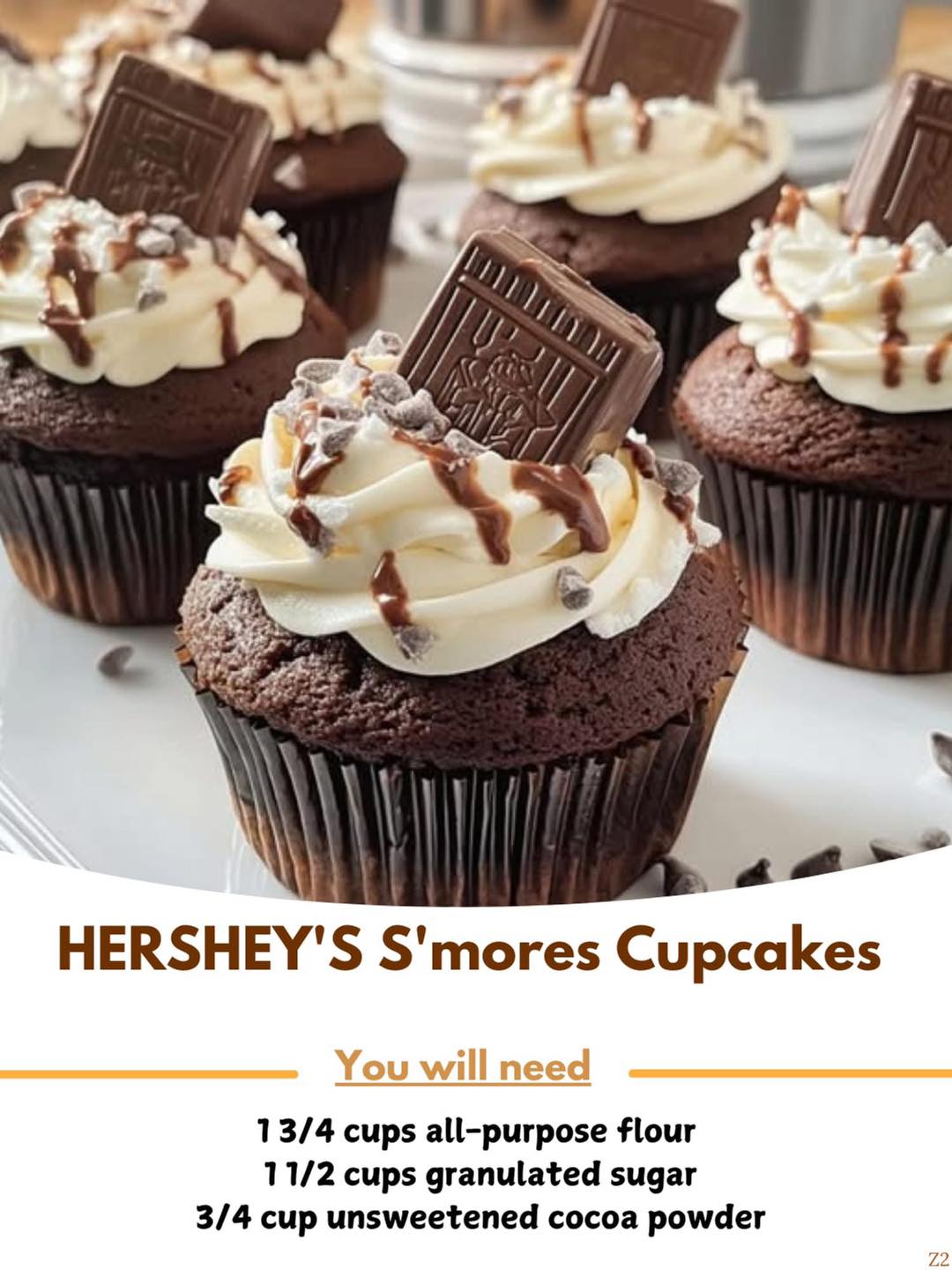
Now, for the chocolate dream batter. In your large bowl, whisk together the flour, sugar, cocoa, baking powder, baking soda, and salt. In another bowl, whisk the eggs, milk, oil, and vanilla until smooth. Here’s my favorite part: pour the wet ingredients into the dry and mix just until they’re combined. It will be thick and glorious. Then, carefully stir in the boiling water. I know the batter will look alarmingly thin—this was the moment I panicked the first time, thinking I’d ruined it! But trust the process. This thin batter is what creates that fantastically moist, light texture. Pour it over the par-baked crusts, filling each cup about 2/3 full.
Bake until a toothpick comes out clean, then let them cool completely in the pan. Patience is key here; frosting a warm cupcake is a recipe for a melted, slippery mess. For the frosting, beat the softened butter until it’s pale and fluffy—this takes a good 3-5 minutes. Beat in the marshmallow creme, then gradually add the powdered sugar and vanilla. I frost with a generous swirl using a piping bag, but a knife works just fine. Top with mini marshmallows and chocolate pieces. Now, the finale: use your kitchen torch to toast those marshmallows to a beautiful, golden brown. The smell is your reward.
Pro Tips for Best Results
I tested the graham cracker layer three different ways: unbaked, baked with the cupcake, and par-baked. Par-baking for 5 minutes was the clear winner. It sets the crust just enough so it stays distinct and crunchy, rather than dissolving into the batter or becoming too hard. It’s a simple extra step that makes a monumental difference in both texture and flavor delivery. Also, when measuring your flour, fluff it up in the bag, spoon it into your measuring cup, and level it off with a knife. Scooping directly packs the flour down and can lead to dry, dense cupcakes.
The boiling water step is where the magic happens for the chocolate flavor. I’ve tried using just hot tap water, and the result was a good, but not great, chocolate cake. The near-boiling water actively opens up the cocoa particles, releasing their full depth. Don’t be shy with the mixing at this stage; you want it fully incorporated. And for the frosting, ensure your butter is truly softened at room temperature. I’ve impatiently used slightly cool butter, and it creates a lumpy, difficult-to-pipe frosting. Waiting that extra 30 minutes is worth it for that cloud-like, smooth texture.
When it comes to torching, here’s what I learned the hard way: work quickly and keep the flame moving. Hold the torch a few inches away and use a slow, circular motion. If you hover in one spot, you’ll go from perfectly toasted to a charred black lump in a heartbeat. I also like to torch the chocolate pieces slightly—it mimics that just-melted chocolate bar from a real s’more. Let the cupcakes sit for a minute after torching so the marshmallows can set into a delightful chewy-crisp layer.
Common Mistakes to Avoid
The first time I made these, I was so excited I poured the thin batter directly into the liners and then tried to add the graham cracker mixture on top. Big mistake. The crumbs all floated to the top and baked into a weird, sandy layer on the cupcake’s surface. The bottom was just plain cake. Don’t do what I did—always, always pre-bake that crust layer first. It creates the essential structural and flavorful base that makes these s’mores cupcakes.
Another pitfall is over-mixing the batter once you add the dry ingredients. We’re not looking for a perfectly smooth, elastic batter like bread. You just want the flour streaks to disappear. Over-mixing develops the gluten in the flour, leading to a tough, rubbery cupcake. I gently fold the wet and dry together until the last bit of flour is incorporated, then I stop immediately. It feels wrong if you’re used to meticulous mixing, but it’s right for perfect cupcakes.
Finally, do not skip the complete cooling step. I once tried to frost a cupcake that was still slightly warm to the touch, thinking it would be fine. The frosting slid right off, melted into a puddle, and absorbed into the cake. It was a sad, sticky disaster. Let them cool in the pan for 10 minutes, then transfer them to a wire rack. Wait until they are truly room temperature before you even think about frosting. I use this time to clean up and make the frosting, which also needs a few minutes to settle after mixing.
Serving Suggestions
I love serving these cupcakes slightly at room temperature. The chocolate flavor is more pronounced, and the frosting has the ideal soft-yet-stable texture. For a true campfire vibe, I’ll plate them on a rustic wooden board or a simple white platter, sometimes with a few extra graham crackers and chocolate squares scattered around for decoration. They are a complete dessert on their own, but a cold glass of milk is their absolute best friend—the creaminess cuts through the sweetness perfectly.
For a dinner party, I’ve turned them into a mini dessert trio, serving a mini cupcake alongside a tiny shot of cold chocolate mousse and a few berries. It elevates the homey treat into something fancy without losing its soul. In the fall, I like to add a tiny sprinkle of cinnamon to the graham cracker crust and serve them with mugs of hot apple cider. The spices play so nicely with the toasted marshmallow.(See the next page below to continue…)