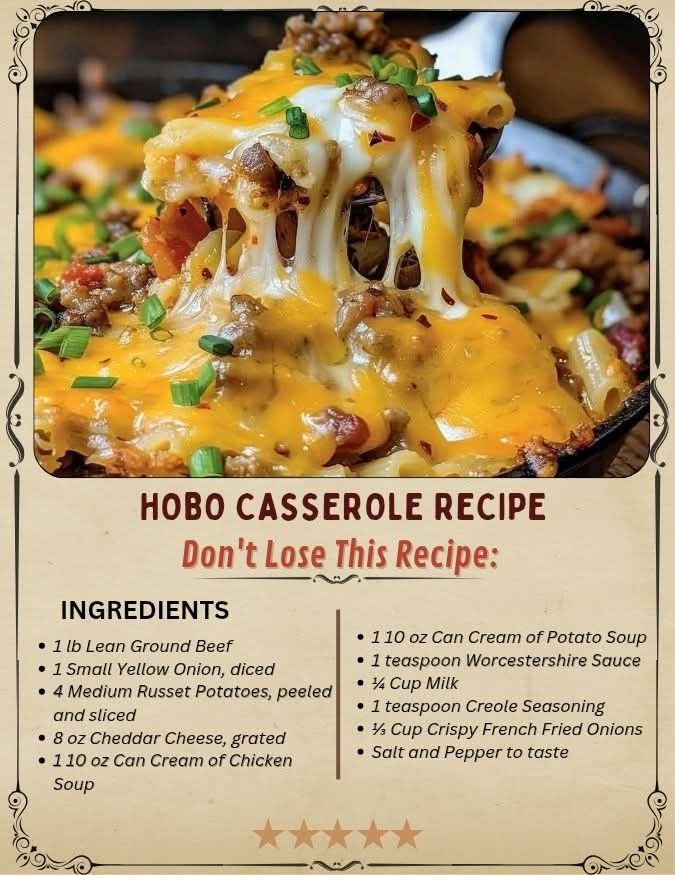
Pro Tips for Best Results
I tested the potato slicing three different ways: with a mandoline (fastest and most even), with a food processor (a bit mushy), and by hand. For control and safety, a sharp knife and a little patience work perfectly. Aiming for that consistent ⅛-inch thickness ensures every bite has a perfectly tender potato.
Here’s what I learned the hard way: do not skip the step of covering the dish for the initial bake. The first time I was impatient and went uncovered the whole time. The top potatoes became leathery and tough before the bottom ones were cooked. The foil trap creates the necessary steam to cook the potatoes through perfectly.
For the crispiest, most flavorful topping, add the French fried onions during the last 15 minutes, not at the beginning. If you put them on before the covered bake, they’ll dissolve into a sad, soggy mess. Letting them toast and crisp up at the end with the final layer of cheese makes that textural contrast magical.
Common Mistakes to Avoid
The biggest mistake I made early on was not draining the ground beef well enough. Even lean beef releases some fat, and if you leave it in, it can make the final casserole greasy. Take the extra minute to drain it in a colander or tilt the skillet and spoon it out. Your casserole will be richer in flavor, not in grease.
Another common pitfall is under-seasoning the potato layers. Potatoes need love! Don’t just season the beef. Giving the raw potato slices a light toss with salt and pepper before layering seasons them from the inside out. I made this recipe bland once by only salting the beef, and it was a stark lesson. Every component needs a little attention.
Serving Suggestions
I love serving this casserole straight from the baking dish at the table—it’s a beautiful, bubbling centerpiece. A simple, bright side is essential to cut through the richness. My absolute favorite is a crisp green salad with a tangy vinaigrette. The freshness is the perfect counterpoint.
For a more substantial spread, I’ll add some steamed green beans or roasted broccoli on the side. My family also loves it with a side of applesauce or pickles for a sweet and tangy bite in between forkfuls of the savory casserole. It’s a nostalgic touch that really works.
If you’re serving a crowd, this casserole is incredibly self-sufficient. You really don’t need much else! Sometimes, I’ll just put out some crusty bread or dinner rolls to soak up any delicious bits left on the plate. A cold glass of iced tea or a light beer pairs wonderfully with it, too.
Variations & Customizations
This recipe is a fantastic canvas. I’ve made a “Southwest” version by swapping the Creole seasoning for taco seasoning, using a can of diced tomatoes with green chiles, and topping with pepper jack cheese and crushed tortilla chips instead of onions. It’s a huge hit.
For a veggie-packed twist, I’ve sautéed a cup of diced onions, bell peppers, and mushrooms with the ground beef. It stretches the meat further and adds wonderful depth. You can also swap half the beef for ground turkey or sausage for a different flavor profile. A friend uses frozen tater tots instead of sliced potatoes for an ultra-convenient and crispy-topped version.
If you’re not a fan of cream of potato soup, cream of mushroom or celery will work, but the potato soup gives it that extra starchy creaminess that’s just superior, in my opinion. Feel free to experiment with different cheeses, too. A Monterey Jack or a smoky gouda can create a whole new experience.
How to Store, Freeze & Reheat
Leftovers keep beautifully! I let the casserole cool completely, then cover the baking dish tightly or transfer portions to airtight containers. It will last in the refrigerator for 3-4 days. To reheat, I find the oven or toaster oven (at 350°F until warmed through) works best to revive the crispy topping. The microwave is quick but will soften the onions and potatoes. If using the microwave, I recommend a lower power setting and covering the dish with a damp paper towel.
You can also freeze this casserole. I assemble it completely except for the final cheese and onion topping, wrap it tightly in a few layers of plastic wrap and foil, and freeze for up to 2 months. Thaw it overnight in the fridge, add your toppings, and bake as directed, adding a few extra minutes if needed. I don’t recommend freezing it after it’s been baked and topped, as the potatoes can become grainy and the onions lose all texture.
Conclusion
This Hobo Casserole is more than the sum of its simple parts. It’s a testament to how humble ingredients can create something truly extraordinary and comforting. It has saved my dinner plans more times than I can count and has brought smiles to my table every single time. I hope it finds its way into your regular rotation and becomes a beloved recipe in your home, too. Give it a try this week, and let that incredible aroma fill your kitchen. Happy cooking