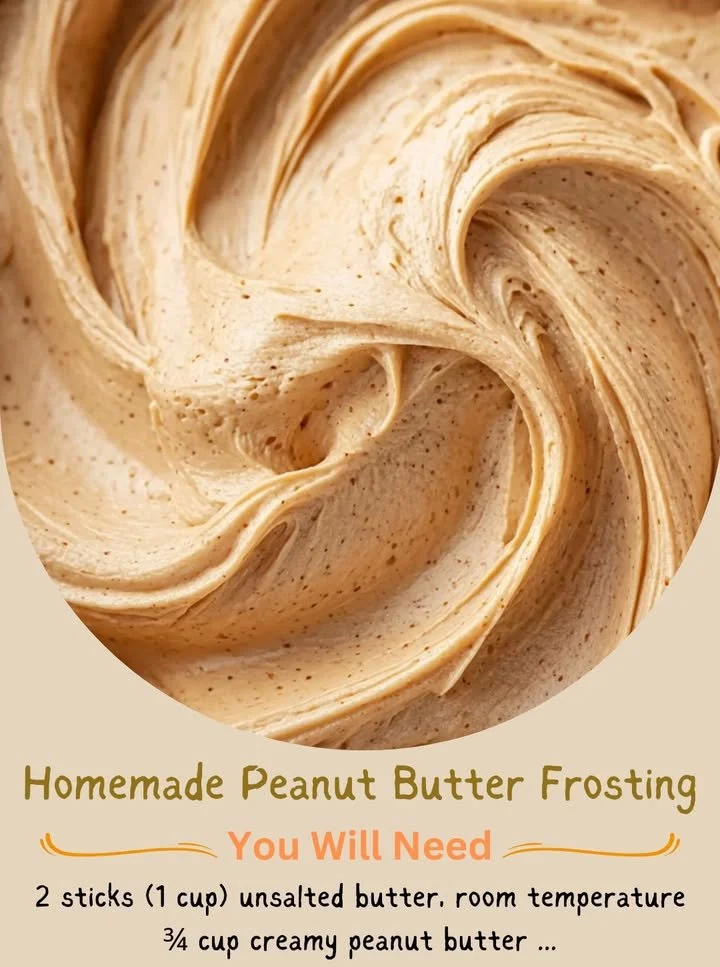
Next, add in the powdered sugar gradually. I typically sift it first to avoid any lumps, ensuring a creamy frosting. This is where you get to play with the sweetness. If you like it sweeter, you can go ahead and add a bit more powdered sugar! After that’s well combined, toss in the vanilla extract for that lovely added flavor.
At this point, if the frosting feels too thick for your liking, start adding milk, one tablespoon at a time, until you reach your desired consistency. I often find that somewhere around 3 tablespoons is just perfect for me; it gives the frosting that creamy texture without being runny.
Once you have everything combined and looking delicious, give it a quick taste test! If you’re anything like me, you might find yourself needing another spoonful or two just to confirm it’s as good as you thought! This frosting is now ready to be slathered on your favorite treats or stored for later use.
Pro Tips for Best Results
One of the key things I learned while perfecting this recipe is to measure everything accurately. I tested it three ways—using a kitchen scale, measuring cups, and just eyeballing it. Trust me, precise measurements really make a difference in your frosting’s texture and taste!
Also, using room-temperature ingredients is essential. I’ve noticed that when my butter and peanut butter are at the same temperature, they blend together much smoother, leading to that rich, creamy consistency we all want in good frosting.
Don’t be shy with the flavors – if you want a deeper flavor, consider adding a pinch of salt. It can really elevate the overall taste, especially if your peanut butter is on the sweeter side!
Common Mistakes to Avoid
One mistake I often made in the past was not softening the butter enough. When the butter is too cold, it can create a lumpy frosting that’s hard to spread. I’ve learned that patience is vital here; just a little time at room temperature can make a world of difference. **(See the next page below to continue…)**