Step-by-Step Instructions
First, we build our foundation. Heat the olive oil in your Dutch oven over medium-high heat. Pat your beef stew meat completely dry with paper towels—this is crucial for a good sear, not a steam. Season the beef generously with salt and pepper. I work in two batches to avoid crowding the pan. You want a deep, brown crust on each piece, which takes about 2-3 minutes per side. Don’t rush this! That sear is non-negotiable flavor. Once the beef is browned, remove it with tongs and set it aside. In that same glorious, beefy fond, add your sliced onions. This is where the magic deepens. Cook them, stirring occasionally, for a good 10-15 minutes until they’re deeply golden, soft, and sweet. Add the garlic for the last minute, just until fragrant.
Now, for the alchemy. Sprinkle the flour over the onions and garlic and stir constantly for about a minute. It’ll look pasty, but you’re cooking out the raw flour taste. Slowly pour in the beef broth while scraping the bottom of the pot with your wooden spoon—all those browned bits will loosen and dissolve into your sauce. It’s the most satisfying sound. Add the Worcestershire sauce, thyme, bay leaves, and return the beef (and any juices) to the pot. Bring it to a boil, then immediately reduce the heat to the lowest simmer your stove can manage. Cover it and walk away. Seriously. Let it bubble gently for 1.5 to 2 hours. I peek once to stir, but the low and slow heat is what makes the beef spoon-tender.
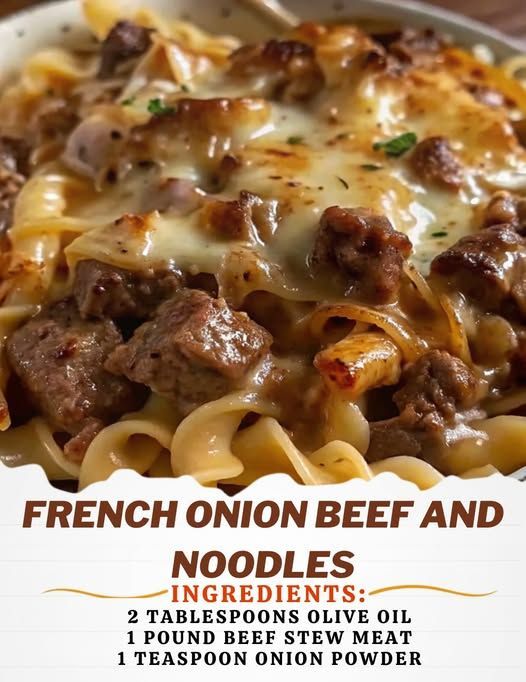
Finally, the home stretch. About 20 minutes before your beef is done, cook the egg noodles in a separate pot of well-salted boiling water according to package directions, but cook them to just shy of al dente. They’ll finish cooking in the sauce. When the beef is fall-apart tender, remove the bay leaves. Stir in the drained noodles and the butter. I let it all mingle over low heat for a few minutes. The butter melts into the sauce, giving it a beautiful sheen and a richer mouthfeel, and the noodles drink up that incredible braising liquid. Give it a final taste for seasoning—it usually needs another pinch of salt and a crack of pepper.
Pro Tips for Best Results
I tested the searing step three different ways: crowded pan, not dry meat, and the perfect method. Crowding the pan is the biggest culprit for gray, steamed meat. You must give the pieces space! Patting them dry is the second half of that equation. Think of it as creating a flavor crust that will later melt into your sauce. This one step elevates the entire dish from good to extraordinary.
The long simmer is not a suggestion. I once tried to rush it at a higher heat because I was hungry, and the beef was tough and the sauce was thin. The connective tissue in the stew meat needs that gentle, prolonged heat to break down into gelatin, which thickens the sauce and tenderizes the beef. Set a timer, go fold some laundry, read a book. The wait is worth it. Your kitchen will smell amazing, and the reward is beef you can cut with a spoon.
Don’t skip the butter at the end. I know it’s already rich, but that pat of butter stirred in off the heat is a chef’s trick for a silky, velvety sauce that clings to the noodles. It’s the difference between a sauce that’s just there and one that coats every single noodle beautifully. Also, finish with fresh parsley. It’s not just color—that little hit of fresh, green brightness cuts the richness perfectly.
(See the next page below to continue…)