Common Mistakes to Avoid
The first time I made this, I was afraid of salt. I underseasoned the beef before searing and didn’t properly season the broth. The result was a pot of bland, despite all the good ingredients. Season confidently at every stage: on the raw beef, in the broth, and always do a final taste at the end. Remember, you’re seasoning the entire pot of sauce and noodles, not just a piece of meat.
Another mistake? Overcooking the noodles separately. If you cook your noodles to full mushy perfection in the water and then add them to the hot sauce, they’ll turn to paste. I learned this the hard way and ended up with beef and noodle porridge. Cook them just until they’re still a bit firm in the center, drain them, and let them finish their journey in the sauce. They’ll absorb flavor and reach the perfect texture.
Serving Suggestions
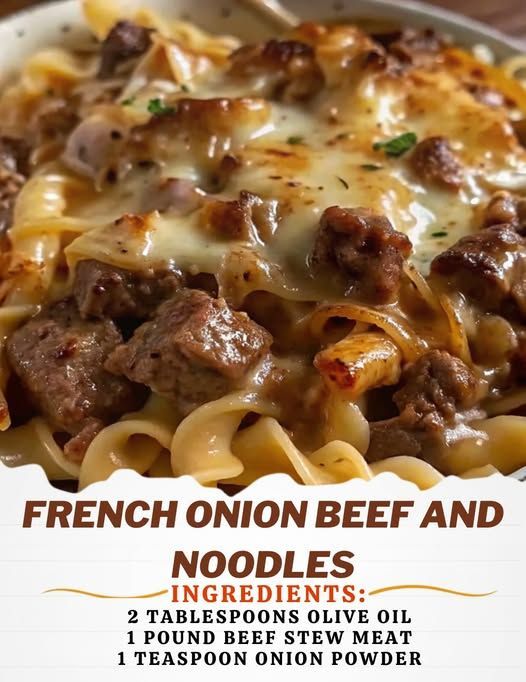
I like serving this in wide, shallow bowls—it just feels right. The deep, savory color of the stew against the white bowl is beautiful. Right in the center, I add a small extra grind of black pepper and that sprinkle of chopped parsley. For me, this dish is a complete meal in a bowl, needing only a simple, crisp side to contrast the richness.
A simple green salad with a bright vinaigrette is my go-to. The acidity cleanses the palate between bites. My husband loves it with a thick slice of crusty, buttered bread to swipe up every last drop of sauce. In the fall, I’ll sometimes roast some Brussels sprouts or green beans. But honestly, most nights, we’re so captivated by the main event that the sides are almost an afterthought.
Variations & Customizations
This recipe is wonderfully forgiving. Don’t have Worcestershire? A tablespoon of soy sauce mixed with a teaspoon of brown sugar makes a decent stand-in for that umami-sweet note. I’ve added a splash of red wine to the pot after cooking the onions, letting it reduce before adding the flour, and it adds a lovely depth. A friend of mine swears by adding a tablespoon of tomato paste with the onions for a richer, darker sauce.
For a creamy version, stir in a half-cup of sour cream or full-fat Greek yogurt at the very end, off the heat. It becomes a stroganoff-adjacent dream. You can also swap the thyme for rosemary for a more pungent, woody aroma. I’ve even tossed in a cup of sliced mushrooms when I sauté the onions—they add an earthy flavor and make the dish feel even heartier.
How to Store, Freeze & Reheat
Let the stew cool completely, then store it in an airtight container in the fridge. Honestly, it tastes even better the next day as the flavors continue to marry. It will keep for 3-4 days. The noodles will absorb more liquid, so when you reheat it, do so gently on the stove over low heat. You’ll likely need to add a splash of beef broth or water to loosen the sauce back to its glorious, silky consistency.
This freezes beautifully for up to 3 months! I freeze it in portion-sized containers. However, I recommend freezing it without the noodles, as they can become mushy upon thawing and reheating. Just freeze the beef and sauce base. When you’re ready, thaw it overnight in the fridge, reheat it on the stove, and cook a fresh batch of noodles to stir in. It’s like a gift from your past self on a busy weeknight.
FAQ Section
Can I make this in a slow cooker?
Absolutely, and I do it often for busy days. After searing the beef and cooking the onions (don’t skip these steps—they add too much flavor!), transfer everything to your slow cooker. Add the broth, Worcestershire, and herbs. Cook on LOW for 7-8 hours or HIGH for 3-4 hours. About 30 minutes before serving, cook your noodles separately and stir them in with the butter.
What if my sauce is too thin?
If, after the simmer, your sauce isn’t as thick as you’d like, make a quick slurry. Mix one tablespoon of cornstarch with two tablespoons of cold water until smooth. Bring your stew to a gentle boil, stir in the slurry, and let it cook for a minute until thickened. I’ve done this when I was too eager and didn’t let it simmer long enough to reduce.
Can I use a different cut of beef?
Chuck roast, cut into cubes, is your best bet. Sirloin or round will work but can dry out more easily because they’re leaner. The marbling in chuck melts and bastes the meat from within during the long cook, making it incredibly tender. Trust the chuck!
Conclusion
This homestyle beef and noodles recipe is more than just a list of ingredients and steps—it’s a experience, a slow down, a deep breath at the end of a long day. It’s the kind of food that fills your home with welcoming smells and your belly with warm contentment. I hope you give it a try, make it your own, and share it with someone you love. From my kitchen to yours, happy cooking.