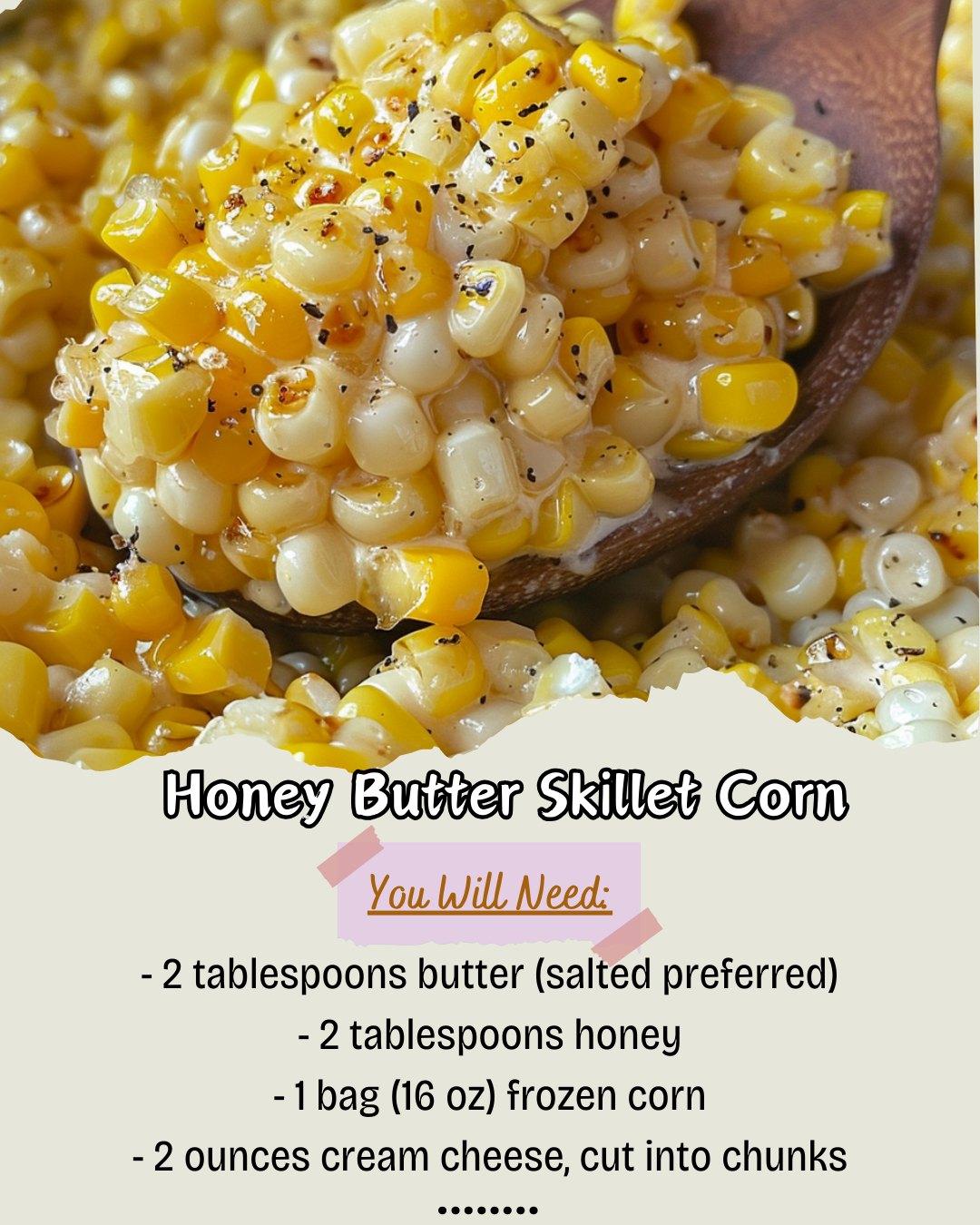
After that first undisturbed cook, I stir everything again. The corn will have defrosted and released some water, which is fine. I let it cook for another 4-5 minutes, stirring occasionally, until most of the liquid on the bottom of the skillet has reduced and the corn looks plump and glazed. Now, reduce the heat to low. This is when I add the chunks of cream cheese. I scatter them over the hot corn and gently stir. They won’t melt instantly into a smooth sauce—be patient! It takes a minute or two of gentle stirring and coaxing.
I keep stirring over low heat, watching as the cream cheese slowly surrenders, melting into the honey butter and creating the most velvety, pale sauce that clings to every single kernel. Once it’s smooth and cohesive, with no more white streaks, it’s done. The whole process, from cold skillet to creamy dream, takes me about 12-15 minutes. I immediately take it off the heat because it will continue to thicken slightly from the residual warmth in the pan.
Pro Tips for Best Results
Let your skillet get properly hot before adding the butter. A cold skillet can make the butter separate or burn oddly. I wait until a few drops of water skitter and evaporate on the surface. Also, resist the urge to crank the heat to high to cook the frozen corn faster. Medium heat is your ally. It allows the corn to caramelize instead of just boiling in its own liquid, which gives you a much deeper, richer flavor. I learned this the hard way my first attempt—high heat gave me a pan of chewy, steamed corn in a separated sauce.
When you add the cream cheese, make sure your heat is truly low. I’ve tried this step on medium-low, and it can cause the dairy to “break” or get a bit grainy instead of melting silkily. Low and slow is the mantra here. Have your cream cheese cut into small, even chunks straight from the fridge. Smaller pieces melt faster and more evenly, so you’re not over-stirring the corn trying to break down one big cold lump.
For an extra layer of flavor, try letting the honey butter mixture cook by itself for just 30-45 seconds before adding the corn. It deepens in color and takes on a slightly nutty, toffee-like note. It’s a tiny step that adds a huge depth of flavor. I tested this three different ways—adding corn immediately, after 30 seconds, and after a minute. The 30-45 second wait was the clear winner for the most complex, restaurant-quality taste.
Common Mistakes to Avoid
The biggest mistake I made early on was not letting the corn sit undisturbed for that first few minutes. I was nervous and stirred it constantly. All that did was steam the corn and prevent any of those delicious, sweet, browned bits from forming on the kernels or the pan. Those browned bits are flavor gold! Let the heat do its work. Walk away for a minute (set a timer!) and you’ll be rewarded.
Another pitfall is not using a big enough skillet. If you crowd the corn, it will steam and stew instead of sauté. You want a single layer, or close to it. If your skillet is too small, cook in two batches. Also, don’t be tempted to add salt at the end unless you’ve used unsalted butter. Between the salted butter and the cream cheese, I find it perfectly seasoned. I made the mistake of salting it once and it was overwhelmingly salty. Taste first, then decide.
Serving Suggestions
I love serving this corn straight from the skillet, still bubbling gently. It’s the ultimate cozy side for simple weeknights. We pile it next to pan-seared chicken thighs, tucked into tacos or burrito bowls, or spooned over a baked potato. It adds a touch of decadence to the simplest meal. For gatherings, I transfer it to a warm serving dish and sprinkle it with a little fresh chopped chives or parsley for a pop of color. The creamy, sweet flavor is a phenomenal contrast to spicy or smoky mains, like BBQ ribs or blackened fish.
(See the next page below to continue…)