Pro Tips for Best Results
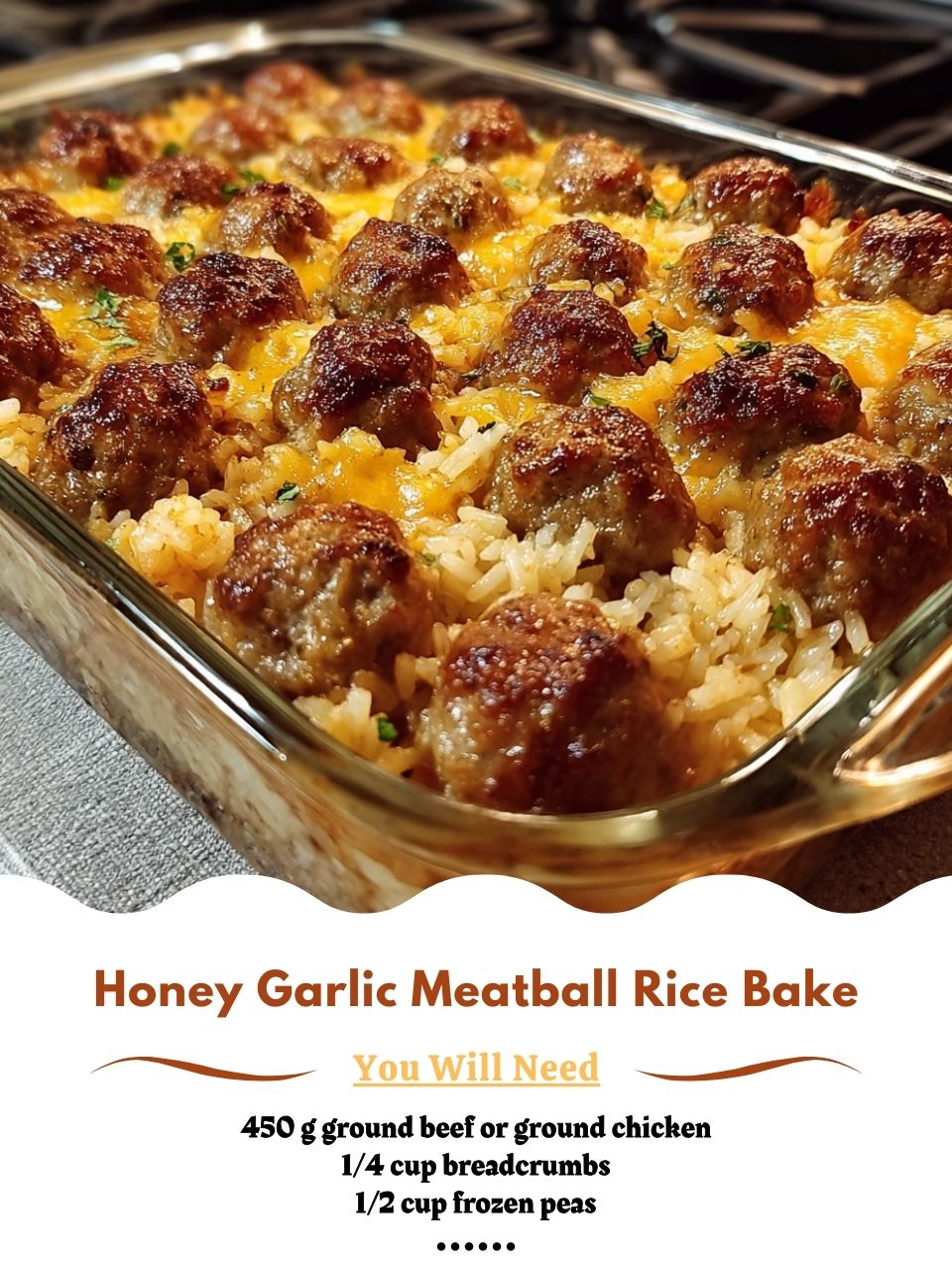
I tested the meatball size three different ways, and the tablespoon-sized portion is the winner. Larger meatballs won’t cook through at the same rate as the rice, leaving you with either undercooked meat or overcooked rice. This size ensures harmony in the dish. Letting the covered bake rest for 10 minutes after it comes out of the oven was a game-changer I discovered. It allows the rice to finish steaming gently and absorb any remaining liquid, resulting in a perfect texture instead of a slightly soggy one.
The type of honey matters more than you might think. I’ve used a strong, dark buckwheat honey and a light, floral clover honey. For this recipe, a mild, classic clover honey lets the garlic and soy shine without overpowering them. A very robust honey can dominate the entire dish. Also, if your sauce isn’t thickening enough in the last 10 minutes, don’t be afraid to crank the oven up to 400°F for the final few minutes. Ovens vary, and that little boost can help achieve that perfect, glossy finish.
Common Mistakes to Avoid
The first time I made this, I was impatient and used hot broth straight from the microwave. It started cooking the rice and meat the second it hit the dish, leading to uneven results. I learned the hard way—don’t do what I did! Use cold or room-temperature broth. It allows everything to start cooking together gently and evenly from room temperature in the oven. This simple patience makes all the difference in texture.
Another classic mistake I’ve made (and seen friends make) is skipping the foil cover for the first half of baking. Trust me, do not skip this step. That trapped steam is what cooks the rice and ensures the meatballs are juicy and cooked through. Without it, the rice will be hard and crunchy, and the meatballs will be dry. The foil is your friend here—it’s the secret to the “hands-off” magic of this bake.
Serving Suggestions
I love serving this bake straight from the dish at the table—it’s a beautiful, rustic centerpiece. A simple, crisp green salad with a sharp vinaigrette is my perfect pairing. The freshness and acidity cut through the richness of the honey garlic sauce beautifully. It’s a contrast that makes the entire meal feel balanced and complete.
For a heartier spread, especially when feeding a crowd, I’ll add a side of roasted broccoli or green beans. Tossed with a little olive oil, salt, and pepper, they can roast on another rack in the oven during the bake’s final uncovered phase. It’s efficient and fills the kitchen with even more wonderful smells. I sometimes also offer extra lemon wedges on the side; a tiny squeeze over individual servings just before eating brightens all the flavors wonderfully.
Leftovers, if you have any, are phenomenal for lunch the next day. I simply scoop a portion into a container. The flavors have melded even further overnight, making it possibly even more delicious on day two. It’s a meal that truly keeps on giving.
Variations & Customizations
This recipe is wonderfully adaptable. When I want to lighten it up, I use ground chicken or turkey, and I’ve even made it with a plant-based ground meat alternative with great success—just be mindful of the salt in the sauce, as some alternatives are already well-seasoned. For a veggie boost, I’ve stirred in a handful of shredded carrots or diced bell peppers with the peas. They add color, texture, and nutrients without complicating the process.
The sauce is your playground. For a spicy kick, I’ll add a teaspoon of sriracha or a pinch of red pepper flakes to the honey garlic mixture. If I’m out of rice vinegar, a splash of apple cider vinegar or even fresh lime juice works in a pinch. I’ve seen a friend swap the peas for frozen corn, and another use a mix of brown rice (adding an extra 1/4 cup of broth and 10 minutes to the covered bake time). Don’t be afraid to make it your own.
How to Store, Freeze & Reheat
For storage, I let the bake cool completely before transferring it to an airtight container. It keeps beautifully in the fridge for 3-4 days. To reheat, I prefer the microwave for single portions, sprinkling a tiny bit of water over the top to reintroduce moisture, and heating in 60-second bursts, stirring in between. For larger amounts, I cover the dish with foil and reheat it in a 300°F oven until warmed through, which usually takes about 20 minutes.
This bake freezes surprisingly well! I portion it into individual freezer-safe containers once it’s cold. To serve, I thaw it overnight in the fridge and then reheat using the methods above. I don’t recommend freezing it in the original baking dish, as it can be harder to thaw evenly. From experience, the texture of the rice and meatballs holds up remarkably well after freezing, making this a fantastic make-ahead meal.
Conclusion
This Honey Garlic Meatball Rice Bake has earned a permanent spot in my regular dinner rotation. It’s the kind of meal that feels like a warm hug, satisfies deeply, and yet asks for so little effort in return. I hope it brings as much joy and delicious aroma to your kitchen as it has to mine. Give it a try this week, and don’t forget to let me know how it turns out for you. Happy cooking