Pro Tips for Best Results
My number one tip is to properly brown the sausage. Don’t just gray it—let it develop a real crust. This isn’t just about cooking it through; it’s about building a deep, savory flavor base called the fond on the bottom of your pan. When you deglaze it with the tomatoes, you’re unlocking so much complexity. I tested this by rushing the browning once, and the final dish tasted flat and one-dimensional in comparison.
Another game-changer is to reserve about a half cup of the starchy pasta water before you drain the elbows. After you’ve tossed the pasta with the sauce, if it looks a little too thick or isn’t clinging to the noodles well, splash in a tablespoon or two of this magical water. The starch helps emulsify the sauce, making it silkier and helping it stick to every nook and cranny of the pasta. It’s a professional chef’s trick that works wonders in home kitchens, too.
Finally, let the dish rest for 5 minutes after adding the cheese and before serving. I know it’s tempting to dive right in, but this short wait allows the sauce to set slightly and the flavors to settle. It also means no one burns the roof of their mouth on molten-hot cheese! The difference in texture and eatability is noticeable. I promise the wait is worth it.
Common Mistakes to Avoid
The first mistake I made was using sweet Italian sausage when my family really prefers a kick. Read your sausage packaging! “Sweet” Italian sausage refers to the seasoning, not sugar, but “Hot” will have those lovely red pepper flakes. Know what you’re buying to match your heat preference. Also, don’t drain the fat from the sausage after browning unless there’s an excessive amount (more than a few tablespoons). That fat carries immense flavor and helps create the body of your sauce. I drained it all once, thinking I was being healthy, and the dish tasted lean and sad.
Another pitfall is neglecting to season each layer. Salt your pasta water well—it should taste like the sea. Season your simmering sauce with a little salt and pepper before adding the noodles. Taste as you go! The noodles will absorb seasoning, so the sauce needs to be perfectly seasoned on its own. I’ve served a bland batch because I only salted at the very end; the flavors never had a chance to penetrate.
Serving Suggestions
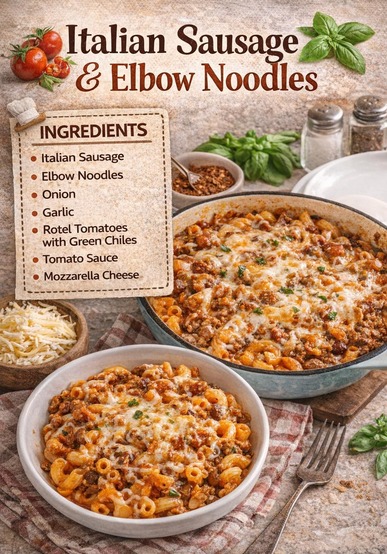
I love serving this dish straight from the skillet at the table—it’s rustic and inviting. A simple sprinkle of fresh, torn basil or chopped parsley on top adds a pop of color and a fresh note that cuts through the richness beautifully. For a dinner party, I’ll sometimes transfer it to a nice baking dish before adding the cheese, then broil it for a minute for a bubbly, browned top. It just looks a bit more polished.
On the side, a crisp, green salad with a sharp vinaigrette is non-negotiable for me. The acidity and crunch are the perfect counterbalance to the hearty, saucy noodles. A wedge of iceberg with red onion and a creamy garlic dressing is my personal favorite pairing. It’s all about that contrast.
If you want to keep it ultra-simple, just some warm, crusty garlic bread or a few slices of a good baguette are essential for mopping up every last bit of sauce from your plate. A light, bright Italian red wine like a Chianti or a simple, fizzy Prosecco also complements the meal perfectly.
Variations & Customizations
This recipe is a fantastic canvas. Not a pork eater? Try using spicy chicken or turkey Italian sausage. I’ve made it with a plant-based Italian sausage crumble for a vegetarian friend, and it was still delicious—just bump up the garlic and oregano a bit. For a creamier version, stir in a half-cup of heavy cream or full-fat ricotta into the sauce just before adding the noodles. It becomes incredibly luxurious.
You can also play with the vegetables. I often toss in a handful of fresh spinach right at the end, letting it wilt into the hot pasta. Sliced mushrooms sautéed with the garlic, or a diced bell pepper added with the sausage, are also fantastic additions. It’s a great way to clean out the veggie drawer.
Pasta shape is flexible, too! While elbows are classic and hold the sauce wonderfully, I’ve also used cavatappi, penne, rigatoni, or even farfalle with great success. The key is using a short, sturdy shape with nooks and crannies to trap all that good sauce and sausage.
How to Store, Freeze & Reheat
For leftovers, let the dish cool completely, then store it in an airtight container in the refrigerator for up to 4 days. The noodles will continue to absorb sauce, so when reheating, I add a splash of water, broth, or even a little extra tomato sauce to a portion in a skillet over medium-low heat. Stir it gently until warmed through. I’ve tried the microwave, but it tends to heat unevenly and can make the noodles rubbery.
This dish freezes surprisingly well! Portion it into freezer-safe bags or containers (leave a little space for expansion) and freeze for up to 3 months. To reheat from frozen, I thaw it overnight in the fridge first, then use the skillet method mentioned above. You can reheat from frozen in a covered saucepan over low heat with a few tablespoons of liquid, but it requires patience and frequent stirring to prevent burning.
Conclusion
This Italian Sausage and Noodles recipe is more than just a meal; it’s my go-to for creating a sense of warmth and satisfaction with minimal stress. It’s the dish my family asks for by name, and the one I’m always happy to make. I hope it brings the same comforting joy to your table and becomes a trusted friend in your own kitchen repertoire. Give it a try this week, and don’t forget to let me know how it turns out for you