Pro Tips for Best Results
I tested the sausage preparation three different ways: sliced before browning, removed from the casing, and left as whole links. Keeping them as whole links is the winner. They stay incredibly juicy, and slicing them after baking means all those wonderful juices spill out onto the plate, not evaporate in the pan. It’s a small step with a big payoff.
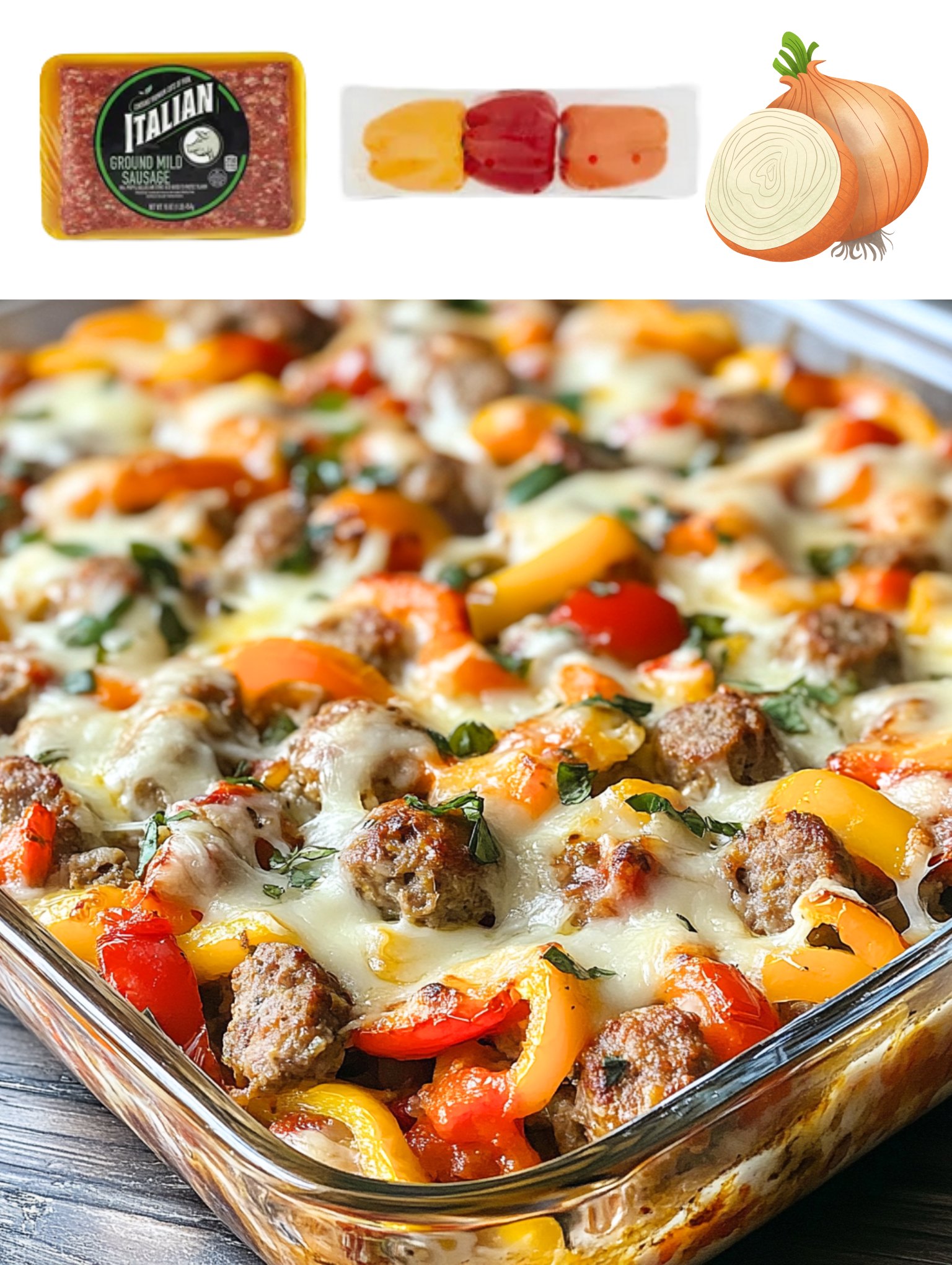
Here’s what I learned the hard way about the vegetables: slice them evenly. If your onion slices are paper-thin and your peppers are thick chunks, they’ll cook at totally different rates. Aim for uniform ½-inch strips for the peppers and thin, consistent onion slices. They’ll caramelize together perfectly, creating that sweet, soft bed for the sausage.
Don’t skip the two-step bake! The covered bake at 375°F gently cooks the sausage through without drying it out or burning the top. The final uncovered blast at a higher heat gives you that irresistible, golden, slightly crispy cheese topping. I’ve tried doing it all at one temperature, and you either get undercooked sausage or over-browned cheese. This method is foolproof.
Common Mistakes to Avoid
My first time making this, I was impatient and overcrowded the skillet when browning the sausage. I ended up steaming them instead of getting a proper sear. Don’t do what I did! Give the links plenty of space. If you need to, brown them in two batches. That deep, caramelized crust is where a ton of the flavor comes from, and it’s worth the extra few minutes.
Another classic mistake I made was not seasoning the tomato sauce layer enough. Tomatoes and vegetables can drink up a lot of salt. Taste your sauce in the pan before you add the cheese and bake it. It should taste slightly bold, because the cheese and sausage will mellow it. If it tastes just right in the pan, it’ll be under-seasoned in the final dish. Trust your tongue and adjust!
Serving Suggestions
I love serving this casserole straight from the skillet or dish at the table—it feels so rustic and welcoming. The first thing you’ll need is something to soak up that incredible sauce. I always have a loaf of crusty, warmed Italian bread or a basket of soft, garlicky breadsticks on the side. It’s non-negotiable in my house.
For a more complete plate, a simple, crisp green salad with a tangy vinaigrette is the perfect counterpoint to the rich, savory casserole. The freshness cuts through the richness beautifully. I also adore serving it over a bed of creamy polenta or a pile of buttered egg noodles; they make the meal even more hearty and satisfying.
If you’re hosting, this casserole is a dream because it sits happily. I’ll often pull it out, let it rest, and toss together the salad while everyone chats. It doesn’t demand last-minute attention. I like to sprinkle extra fresh basil and a little drizzle of good olive oil over the top right before serving for a restaurant-quality finish.
Variations & Customizations
This recipe is a fantastic canvas. If you don’t eat pork, I’ve had great success using chicken or turkey Italian sausage links. Just be mindful that they can be leaner, so you might need a touch more olive oil when browning. For a veggie-forward twist, I’ll sometimes add sliced mushrooms or zucchini in with the peppers—just add them a few minutes later so they don’t get mushy.
The cheese is also up for play. While mozzarella and Parmesan are my classic combo, I’ve swapped in provolone for a sharper bite, or even a handful of fontina for ultimate meltiness. A friend of mine adds a layer of ricotta dolloped over the sauce before the shredded cheese, which creates a lovely, creamy surprise.
For a “Sunday gravy” vibe, I’ll add a splash of red wine to the pan after sautéing the veggies, let it reduce by half, then add the tomatoes. It adds a wonderful depth. You can also stir in a handful of pitted, sliced olives or a few tablespoons of capers with the tomatoes for a briny, salty kick.
How to Store, Freeze & Reheat
Leftovers store beautifully, which is one of my favorite things about this dish. Let it cool completely, then transfer it to an airtight container. It will keep in the refrigerator for 3-4 days. When reheating, I find the microwave is fine for a single portion, but for best results, reheat it in a covered oven-safe dish at 350°F until warmed through. This keeps the cheese texture nicer.
To freeze, I assemble the casserole right up to the point of adding the cheese, then cover it tightly with a layer of plastic wrap followed by foil. I freeze it for up to 2 months. When ready to cook, I thaw it overnight in the fridge, add the cheese, and bake as directed, adding a few extra minutes to the covered bake time since it’s starting from cold. I don’t recommend freezing after baking with the cheese, as the dairy can become grainy upon reheating.
Conclusion
This Italian Sausage and Pepper Casserole is more than just a collection of ingredients; it’s a promise of a satisfying, delicious meal that brings people together. It’s the recipe I’ve shared with friends moving into new homes and made for family on busy nights. It’s forgiving, flavorful, and filled with the kind of comfort that comes from simple, good food made with a little bit of love. I hope it finds a regular spot in your kitchen rotation and becomes a cherished favorite in your home, just like it is in mine. Now, go preheat that oven—your new favorite dinner awaits.