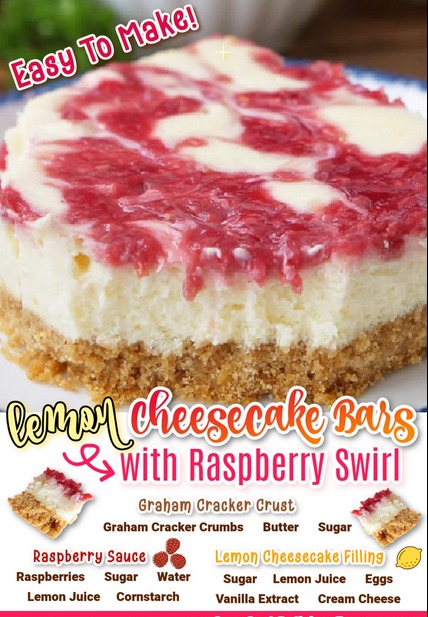
Pro Tips for Best Results
I tested the cream cheese softening step three different ways. Leaving it on the counter for 3-4 hours is best, but if you’re short on time, take it out of the foil, cut it into chunks, and microwave it at 20% power in 15-second intervals. Never use it cold or microwave it on full power—you’ll end up with a lumpy, warm mess that ruins the filling’s structure. Room temperature ingredients are the secret to a smooth, crack-free top.
For the cleanest cuts, you must be patient. I know it’s tempting to dive in, but let the bars cool completely in the pan on a wire rack. Then, I cover them and refrigerate for at least 4 hours, but honestly, overnight is magic. The flavor deepens, and the texture becomes perfectly firm. This waiting period is the true test of willpower, but it’s worth it.
When it’s finally time to slice, I use the parchment paper overhang to lift the entire slab out of the pan. I place it on a cutting board and use a large, sharp knife. For pristine squares, I run the knife under very hot water, wipe it dry, and make a clean cut. I repeat this wipe/heat process between every single cut. It takes a moment longer, but it makes them look professionally baked.
Common Mistakes to Avoid
The first time I made these, I was in a rush and added cold eggs and sour cream straight from the fridge to my beautiful creamy cheese mixture. Big mistake. The sudden temperature change caused the fat in the cream cheese to seize up slightly, leading to a filling with tiny lumps that I couldn’t beat out. Now, I always plan ahead to let my dairy ingredients sit out. It’s a simple step that makes all the difference in achieving that restaurant-smooth texture.
Another classic error is over-baking. I used to think the center needed to be completely firm before I took it out of the oven. The result was a dry, dense bar with a giant crack down the middle. Remember, the residual heat will continue to cook the center as it cools. That slight jiggle in the middle when you gently shake the pan is your golden ticket. It will set up beautifully in the fridge, yielding a creamy, melt-in-your-mouth consistency.
Serving Suggestions
I love serving these bars straight from the fridge, cold and firm. On a simple white plate, they look stunning. For an extra special touch, I’ll place a single fresh raspberry and a tiny twist of lemon zest on top of each square just before serving. It adds a pop of color and hints at the flavors inside.
For a more decadent dessert presentation, I’ll add a small dollop of freshly whipped cream on the side. The airy, barely-sweet cream is the perfect complement to the rich, tangy bar. A drizzle of any leftover raspberry sauce on the plate looks gorgeous, too. In the summer, I sometimes serve them with a scoop of vanilla bean ice cream—the warm-cold contrast is divine.
These bars are incredibly versatile. I’ve brought them to potlucks, served them as the finale to a fancy dinner party, and packaged them up in little treat boxes for friends. They travel beautifully and always, always receive compliments. They’re the kind of dessert that makes people ask for the recipe immediately.
Variations & Customizations
If you’re not a raspberry fan, the swirl is wonderfully adaptable. I’ve made a gorgeous blueberry swirl using the same method—just swap the raspberries for blueberries. A blackberry or strawberry swirl would be equally delicious. You can even use a high-quality seedless fruit jam, warmed and thinned with a teaspoon of water, for an ultra-quick shortcut.
For a different crust, try using digestive biscuits or even vanilla wafers instead of graham crackers. I once made a crust with ginger snaps, and the spicy kick paired amazingly with the lemon. Just keep the same crumb-to-butter ratio. You can also add a handful of finely chopped toasted nuts, like almonds or pecans, to the crust mixture for added crunch and flavor.
Want to play with the filling? You can reduce the lemon juice and zest and add a different extract. Almond extract (just ½ teaspoon) with the raspberry is a classic combination. For a pure, un-swirled lemon bar, simply omit the raspberry sauce step. The result is a bright, sunshine-y lemon cheesecake bar that’s incredibly refreshing.
How to Store, Freeze & Reheat
To store, I keep the bars tightly covered in the original pan or in an airtight container in the refrigerator. They will stay perfectly fresh and delicious for up to 5 days. The crust may soften slightly after day 3, but they’ll still taste wonderful. I do not recommend leaving them out at room temperature for more than a couple of hours due to the dairy content.
Yes, you can freeze these! I let them set completely in the fridge first, then cut them into squares. I place the squares in a single layer on a parchment-lined baking sheet and flash-freeze for about 2 hours until solid. Then, I transfer the frozen bars to a freezer-safe bag or container, separating layers with parchment. They’ll keep for up to 3 months. To thaw, I simply transfer a bar to the fridge for several hours or overnight. I don’t recommend freezing the whole uncut slab, as it’s harder to thaw evenly. They should not be reheated; enjoy them cold straight from the fridge.
Conclusion
These Lemon Cheesecake Bars with Raspberry Swirl have become a beloved staple in my kitchen, and I’m so excited to share them with you. They represent the perfect blend of impressive elegance and approachable baking. I hope you’ll give them a try and experience the joy of pulling that marbled masterpiece from your own oven. Don’t forget to share your results—I’d love to hear how they turned out in your kitchen. Happy baking