Pro Tips for Best Results
Thaw your hash browns completely! I’ve made the mistake of rushing this step, and it resulted in a soupy potato layer that took forever to cook through. Leave the bag in the fridge overnight or spread them on a tray at room temp for an hour. The right consistency is key.
For the crispiest, most flavorful topping, bake your bacon on a sheet pan in the oven while it preheats. It renders the fat better than pan-frying, gives you perfectly flat pieces to crumble, and is hands-off. Save a tablespoon of the bacon fat to cook your onions and beef in for an extra layer of incredible flavor. It makes a noticeable difference.
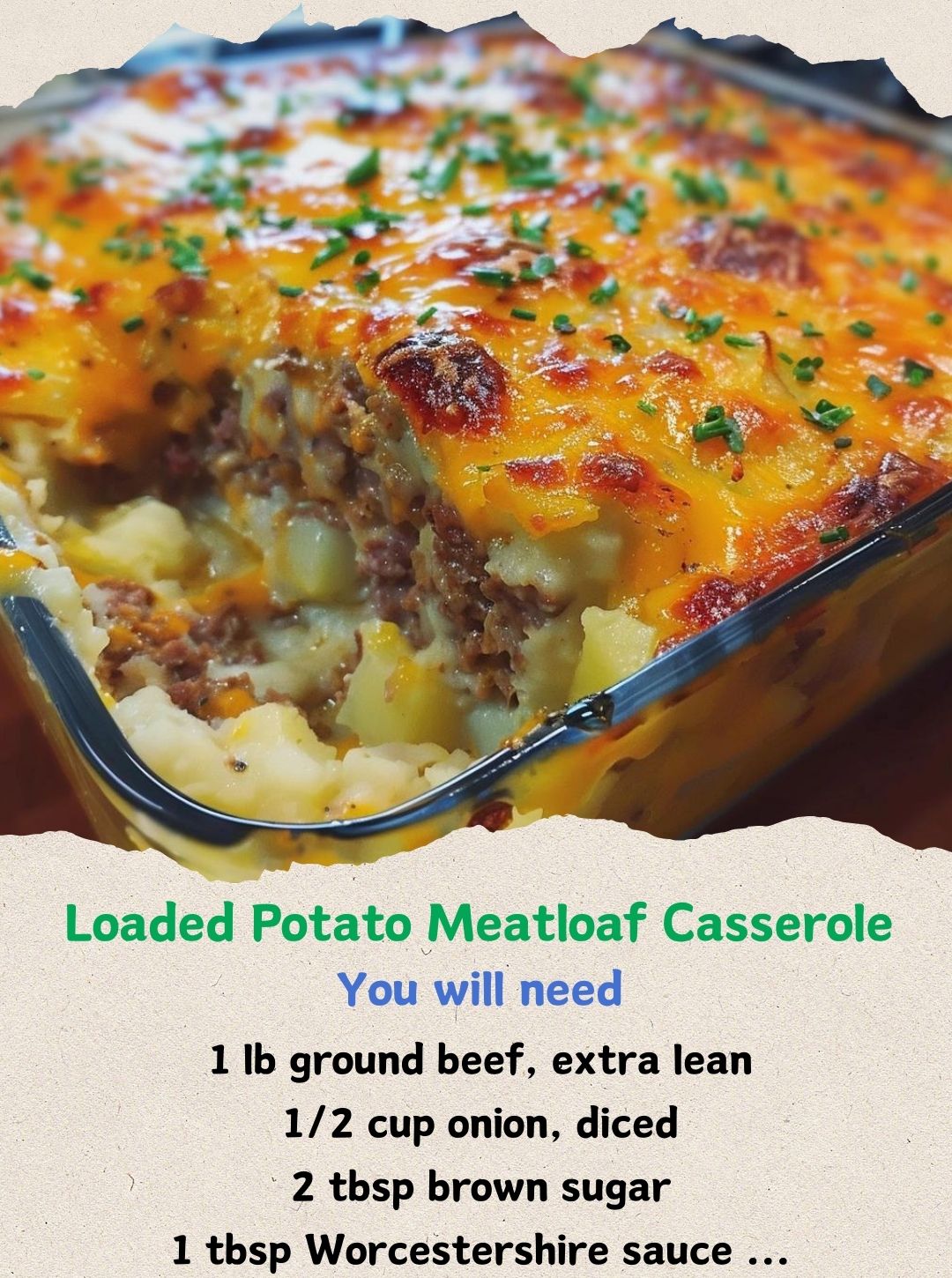
Letting the casserole rest after baking is non-negotiable in my book. The first time I made this, I cut in immediately and it was delicious but a bit loose. Waiting that full 10 minutes allows the creamy potato layer to firm up just enough and lets the juices in the meatloaf redistribute, ensuring every bite holds its shape and is packed with moisture.
Common Mistakes to Avoid
One major mistake is not draining the ground beef well enough. Even with extra-lean beef, there will be some grease after cooking with the onions. If you leave it in, it will pool in the bottom of your casserole dish as it bakes, making the final product greasy. I pour the cooked beef and onions into a colander over a bowl and let it sit for a minute. It’s a simple step that elevates the whole dish.
Another common error is skipping the foil cover for the first half of baking. I tried baking it uncovered the whole way once, thinking it would make the top crispier faster. The result? The top browned too quickly, the potatoes dried out, and the meatloaf layer was drier than I’d like. The foil creates a steamy environment that cooks everything through gently and evenly, guaranteeing a tender, juicy result. Then, the uncovered blast of high heat gives you that perfect crispy finish.
Serving Suggestions
I love serving this casserole right from the dish at the table—it’s a beautiful, rustic centerpiece. A simple, crisp green salad with a bright vinaigrette is my absolute must-have side. The acidity and freshness cut through the richness of the casserole perfectly. My family’s favorite is a basic arugula salad with lemon juice, olive oil, and a little shaved Parmesan.
For a more hearty, classic comfort food spread, I’ll pair it with roasted green beans or honey-glazed carrots. The sweetness of the carrots plays so nicely with the savory, smoky flavors of the casserole. And don’t forget a final garnish! A sprinkle of fresh green onions just before serving adds a necessary pop of color and a fresh, sharp bite.
On busy nights, this casserole is a complete meal in one dish. But if you’re serving a bigger crowd or just want to round things out, a basket of warm, crusty rolls or buttery cornbread on the side is always a welcome addition for soaking up any delicious bits left on the plate.
Variations & Customizations
This recipe is wonderfully adaptable! For a “Mexican” twist, I’ve swapped the cream of mushroom soup for a can of diced tomatoes with green chiles (well-drained), used a taco seasoning blend in the meat instead of the listed spices, and topped it with a Monterey Jack and cheddar blend. A dollop of guacamole and a scoop of salsa on the side when serving is fantastic.
If you’re looking to lighten it up a bit, you can use ground turkey instead of beef, and I’ve successfully used fat-free sour cream and reduced-fat cheese without sacrificing too much on flavor or creaminess. You could also add finely diced bell peppers or mushrooms to the meat mixture for extra veggies. For a spicy kick, a diced jalapeño mixed into the potato layer or a few shakes of hot sauce in the meatloaf mix really wakes it up.
I’ve also seen a great “breakfast for dinner” version from a friend: use breakfast sausage instead of beef, add a layer of scrambled eggs between the meat and potatoes, and use cream of celery soup. She tops it with cheddar and everything bagel seasoning. I tried it and it was incredible—a testament to how versatile this casserole framework truly is.
How to Store, Freeze & Reheat
For leftovers, let the casserole cool completely, then cover the baking dish tightly with plastic wrap and foil, or transfer portions to airtight containers. It keeps beautifully in the fridge for 3-4 days. To reheat, I find the oven or toaster oven works best to maintain texture. Cover a portion with foil and warm at 350°F for about 15-20 minutes, or until heated through. The microwave works in a pinch, but it will soften the crispy potato topping.
This casserole freezes exceptionally well, which makes me so happy for future meal prep. To freeze, assemble the casserole completely in a foil baking dish (or line your dish with heavy-duty foil before building). Wrap the entire unbaked casserole tightly in several layers of plastic wrap and foil. Label it and freeze for up to 2 months. To cook, thaw it overnight in the fridge, then bake as directed, adding a few extra minutes to the covered baking time if it’s still cold in the center. You can also freeze individual baked portions for quick solo meals.
Conclusion
This Loaded Potato Meatloaf Casserole truly is more than the sum of its parts. It’s the recipe I turn to when I need a surefire win, when I want to fill my home with the scent of comfort, and when I simply want to enjoy the act of creating something that I know will bring people together. It’s forgiving, flexible, and consistently delicious. I hope it finds a special place in your recipe rotation and brings as much joy to your table as it has to mine. Now, go preheat that oven—your new favorite dinner awaits