Pro Tips for Best Results
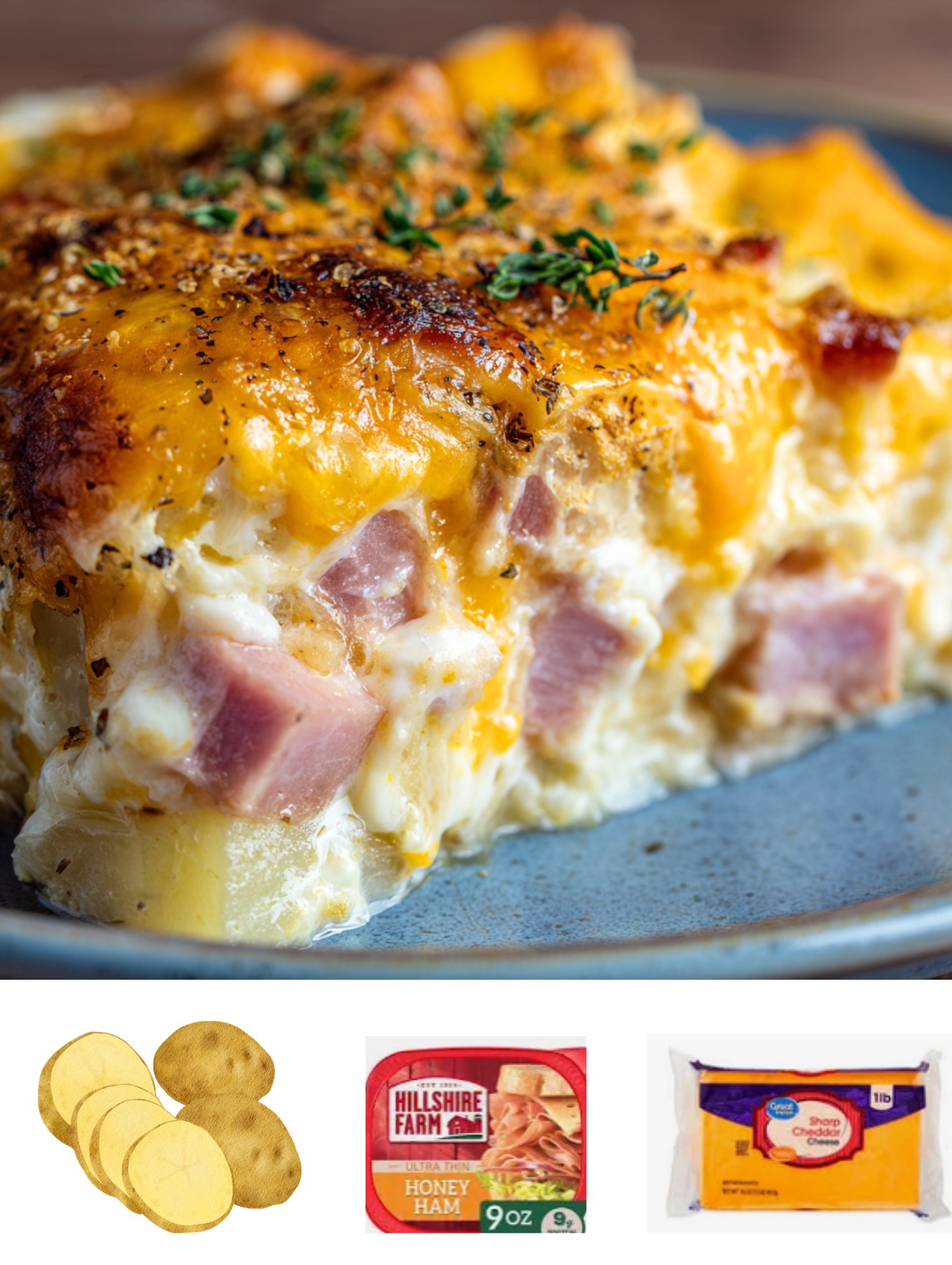
I tested the potato thickness three different ways: thick slices, medium, and paper-thin. The paper-thin slices (about 1/8-inch) won by a mile. They become meltingly tender and create beautiful, distinct layers. If you have to hand-cut, aim as thin as humanly possible. Also, patting the potatoes dry isn’t a suggestion—it’s a rule. I skipped this once, and my casserole was a bit soupy. The flour helps, but dry potatoes are your best insurance for a perfect, creamy set.
Here’s what I learned the hard way about cheese: pre-shredded bags are convenient, but they contain anti-caking agents that can make your sauce grainy and prevent it from melting as smoothly. Taking the five minutes to shred a block of sharp cheddar yourself makes a noticeable difference in the sauce’s silkiness and flavor. It’s a small step with a big payoff.
Timing is flexible but important. On LOW for 7-8 hours, you get perfect tenderness. On HIGH for about 4 hours, it works, but I find the low-and-slow method allows the flavors to meld more deeply. If you’re around the 7-hour mark and it still looks a bit liquidy, remove the lid for the last 20-30 minutes to let some moisture evaporate and the top cheese get a beautiful, slightly crisp finish.
Common Mistakes to Avoid
My biggest first-time mistake was not spraying the slow cooker. I assumed the fatty sauce would prevent sticking, but the cheese and potatoes fused to the ceramic in a few spots, making serving a nightmare. A quick spray of cooking oil or using a liner saves so much cleanup hassle. Also, resist the urge to stir this casserole while it cooks. You’ll break up the lovely layers and make a mess. Let the slow cooker do its thing.
Another pitfall is underseasoning. Potatoes need a good amount of salt, and since the ham and soup contribute saltiness, I don’t add extra salt to the sauce. However, the pepper, thyme, and smoked paprika are essential. Don’t be shy with them. That first bland batch taught me that potatoes act like a flavor sponge, so your sauce needs to be boldly seasoned from the start.
Serving Suggestions
I like serving this casserole straight from the slow cooker for that rustic, family-style feel. A sprinkle of fresh chopped chives or parsley on top adds a pop of color and a little freshness that cuts the richness beautifully. For a weeknight, I often pair it with just a simple, crisp green salad with a tangy vinaigrette. The acidity from the salad dressing is the perfect counterbalance to the creamy, hearty casserole.
For a bigger Sunday dinner or holiday brunch (it’s an Easter favorite in my house!), I go all out. I’ll serve it alongside roasted asparagus or honey-glazed carrots, and a basket of warm, crusty bread for soaking up any extra sauce. It’s such a crowd-pleaser that it pairs well with almost any vegetable side you love.
Leftovers are arguably just as good, if not better, the next day. I love a reheated portion for lunch with a side of tangy, cold applesauce or a few pickled vegetables. The contrast is delightful. This dish is so satisfying on its own that you really don’t need to fuss over sides.
Variations & Customizations
This recipe is wonderfully adaptable. Not a ham fan? I’ve made a fantastic version using cooked, crumbled bacon or even browned breakfast sausage. For a vegetarian twist, swap the ham for sautéed sliced mushrooms and use cream of mushroom soup instead of cream of chicken. The result is deeply savory and equally comforting.
You can play with the cheeses, too. I’ve swapped half the cheddar for Gruyère, which gives a fantastic nutty flavor. A friend adds a handful of grated Parmesan to her top layer for an extra savory crunch. If you want a little kick, add a pinch of cayenne pepper or red pepper flakes to the sauce, or use a pepper jack cheese blend.
For a lighter version, you can use 2% milk and reduced-fat sour cream, though the sauce will be slightly less rich. I’ve also added in layers of fresh spinach for some greens—just give it a rough chop and add a handful between the potato layers. It wilts down perfectly and adds color and nutrients.
How to Store, Freeze & Reheat
To store leftovers, let the casserole cool completely, then transfer it to an airtight container. It will keep in the refrigerator for 3-4 days. Reheating is best done in the oven (350°F until warmed through, covered with foil) or in a covered skillet over low heat with a tiny splash of milk to bring back the creaminess. The microwave works in a pinch, but it can make the potatoes a bit rubbery.
You can freeze this casserole, but with a caveat. Dairy-based sauces can sometimes separate when thawed and reheated. For best results, freeze individual portions in airtight containers for up to 2 months. Thaw overnight in the fridge before reheating slowly in the oven, stirring gently if needed to recombine. The texture might be slightly less perfect, but the flavor will still be fantastic.
Conclusion
This Slow Cooker Cheesy Ham and Scalloped Potato Casserole has become my go-to for effortless comfort. It’s the dish that makes my house smell like a home and gathers everyone around the table with zero fuss. I hope it brings the same warmth and satisfaction to your kitchen that it does to mine. Give it a try this weekend—I promise, that first cheesy, creamy, ham-filled bite will make you a believer. Happy cooking