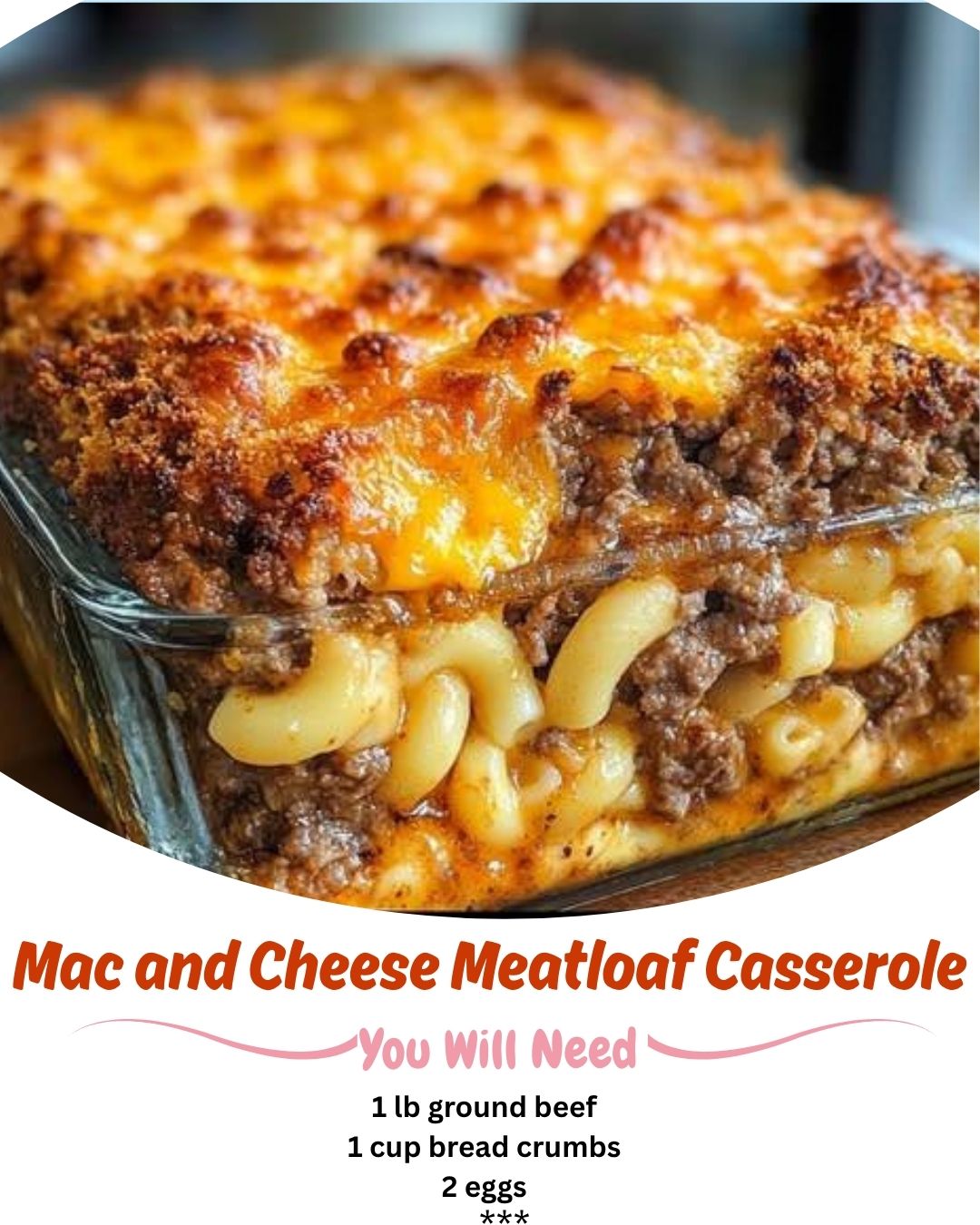
Pro Tips for Best Results
Let’s talk onions and garlic. I’ve tried adding them raw and sautéed. Sautéing them first until soft and translucent is the absolute winner. It sweetens them and removes any harsh bite, which blends so much more harmoniously into the meatloaf. It’s one extra pan, but it’s a step I now never skip. Trust me, this one works better for a more rounded, deeper flavor profile in every bite.
The cheese sauce can be intimidating, but it’s simple if you follow two rules. First, make sure your milk is at least room temperature before adding it to the butter-flour roux. Adding ice-cold milk can cause the sauce to seize or become grainy. Second, always take the sauce off the heat before adding your shredded cheese. High direct heat can make cheese oily and separate. Let the residual heat do the gentle melting work for a velvety-smooth sauce every time.
That final pour of milk or cream over the assembled casserole is non-negotiable in my book. I tested this three different ways: without it, with broth, and with milk. Without it, the top layer of pasta can dry out. Broth added a savory note that competed with the cheese. The plain milk or cream keeps everything lush and moist without altering the flavor. It’s the magic that binds the two layers into one cohesive, comforting dish.
Common Mistakes to Avoid
The first time I made this, I was impatient and didn’t par-bake the meatloaf layer. I just assembled everything raw and baked it longer. Big mistake. The meat released so much fat and water during baking that it made the bottom of the casserole greasy and steamed the pasta into mush. Par-baking that base sets its structure and renders out excess fat first. Don’t do what I did—take the 20 minutes to pre-bake.
Overcooking the pasta is a silent killer of texture. I’ve learned the hard way that you must pull your macaroni a solid minute or two before the package’s al dente time. It continues to cook in the hot cheese sauce and then again in the oven. What comes out perfectly tender after baking started as seriously undercooked in the boiling pot. Taste a piece as it boils; it should still have a distinct firmness at its core.
Skipping the rest time is a disservice to yourself. I know it’s tempting to dive right into that bubbling pan. I’ve burned the roof of my mouth more than once! But if you can let the casserole sit for about 10 minutes after pulling it from the oven, two great things happen: it sets up enough to cut beautiful, clean squares, and the flavors settle and intensify. It’s worth the wait, I promise.
Serving Suggestions
I like serving this casserole right from the dish at the table—it’s a beautiful, communal centerpiece. For a simple, classic pairing, a bright, crisp green salad is my absolute go-to. The sharp vinaigrette cuts through the richness of the beef and cheese perfectly. I often whip up a quick lemon-dijon dressing; it’s the ideal contrast and makes the whole meal feel balanced.
For vegetable sides, you want something that won’t fight for attention. Simple roasted green beans with almonds or steamed broccoli with a squeeze of lemon are fantastic. They add color and a bit of crunch without overwhelming the main event. On a cozy fall night, I’ve even served it with roasted Brussels sprouts with a balsamic glaze, and the sweet-tart notes were a delightful match.
This dish is a complete meal on its own, but it’s also incredibly crowd-friendly. I’ve brought it to potlucks and new-parent drop-offs, and it’s always a hit. For those occasions, I’ll sometimes add a basket of warm, buttery garlic bread or soft dinner rolls on the side for anyone who wants to sop up every last bit of cheesy goodness. It turns the casserole into a full, hearty feast.(See the next page below to continue…)