Variations & Customizations
This recipe is a wonderful canvas. For a “kitchen sink” version, I’ve stirred about a cup of frozen mixed vegetables (thawed) into the meat mixture. Peas, carrots, and corn add little pops of sweetness and color. My kids don’t even blink an eye because they’re hidden in all that cheesy, beefy goodness. It’s a sneaky win for getting more veggies in.
If you’re a spice lover, kick it up a notch. I’ve added a finely diced jalapeño to the meat mixture and used a pepper jack cheese for the sauce. The result was a fantastic, warm heat that built with each bite. You could also add a pinch of cayenne or smoked paprika to the cheese sauce for a different kind of kick. It transforms the comfort classic into something with a bit of a party vibe.
For a different pasta shape, try it with cavatappi or cellentani—those little corkscrews hold onto the cheese sauce beautifully. I’ve also seen a friend make a “pizza” version, using Italian sausage instead of plain beef and stirring pizza sauce and mini pepperoni into the meat layer, then topping the cheese sauce with mozzarella. It was wildly creative and delicious. Don’t be afraid to make it your own!
How to Store, Freeze & Reheat
For leftovers, let the casserole cool completely, then cover the baking dish tightly with plastic wrap or transfer portions to airtight containers. It will keep in the fridge for 3-4 days. The pasta does absorb more moisture, so it becomes less saucy, but the flavors meld and deepen, which I actually love. It’s a different, but still fantastic, experience on day two.
Freezing works best if you do it before the final bake. Assemble the casserole right up to the point of the second bake (adding the final cheese and milk), then wrap the entire dish very tightly in a double layer of plastic wrap and a layer of foil. Freeze for up to 2 months. Thaw overnight in the fridge before baking as directed. I don’t recommend freezing after baking, as the pasta can become very mushy upon reheating.
Reheating is key. Don’t just nuke a big cold square—it dries out. My method: place a single portion in an oven-safe dish, add a tiny splash of milk or broth over the top, cover with foil, and bake at 350°F until heated through, about 15-20 minutes. This gentle reheating with added steam brings back that creamy texture. For a crispy top, remove the foil for the last 5 minutes.
FAQ Section
Can I use a different type of pasta?
Absolutely! I’ve successfully used small shells, cavatappi, and even rotini. The key is to choose a shape with good nooks for holding the cheese sauce. Just be sure to cook it to that same al dente stage. Larger shapes like rigatoni are fun, but you may need to slightly increase the amount of cheese sauce to coat everything adequately.
Can I make this ahead of time?
You sure can, and I do it often for easy dinners. Prepare the entire casserole up to the point of the second bake (through adding the final cheese and milk). Cover it tightly and refrigerate for up to 24 hours. When you’re ready, you may need to add 5-10 minutes to the final baking time since it’s going into the oven cold. It’s a fantastic time-saver.
What can I use instead of bread crumbs?
If you’re out of bread crumbs, crushed saltine crackers or plain rolled oats (quick or old-fashioned) work in a pinch. I’ve used both when I’ve unexpectedly run out. They provide the same binding and texture-softening function. I slightly prefer the cracker crumbs for flavor, but the oats add a nice heartiness.
Conclusion
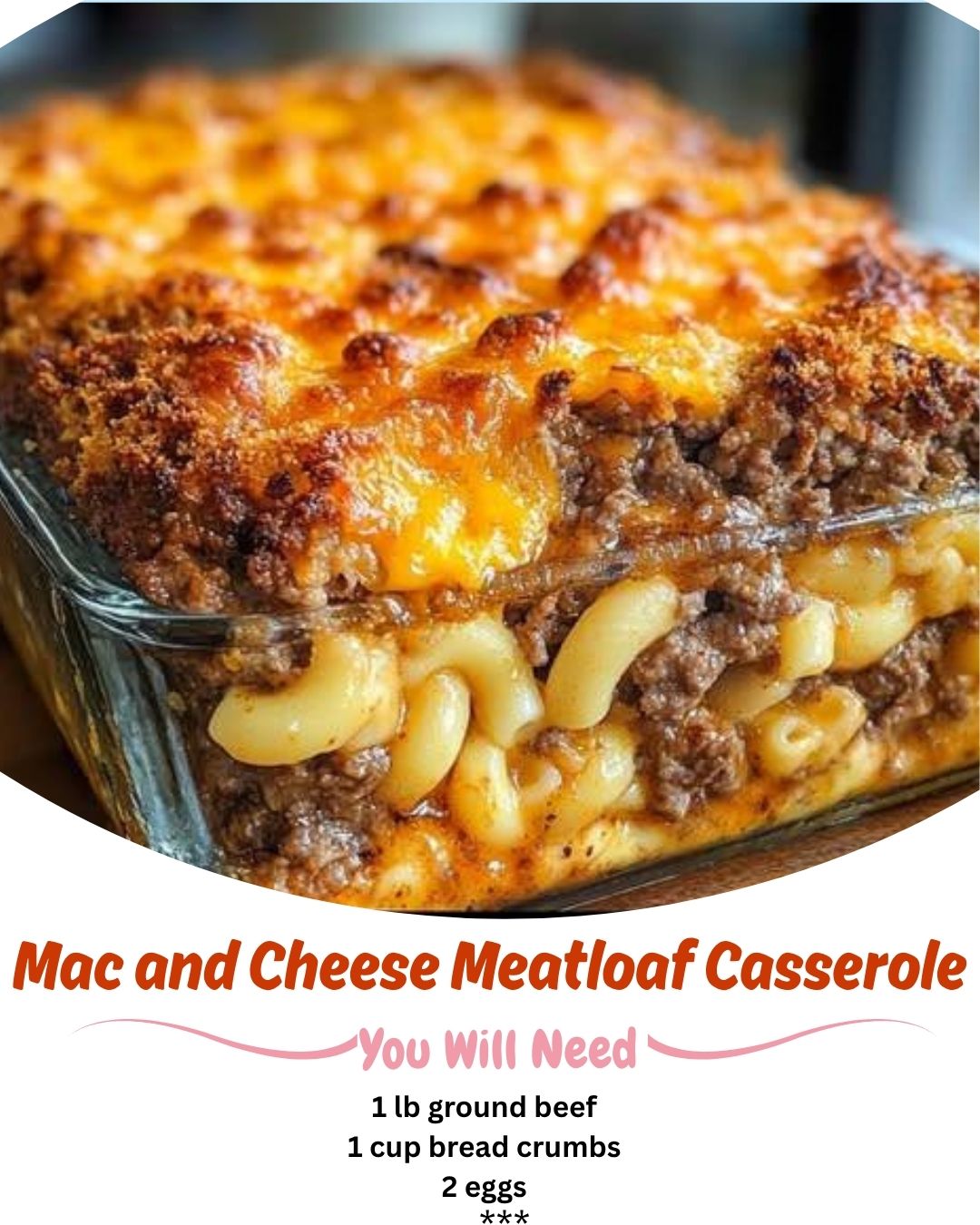
This Mac and Cheese Meatloaf Casserole is more than just a recipe; it’s the embodiment of cozy, satisfying, and family-pleasing food. It came from a moment of weeknight inspiration in my kitchen and has since become a requested favorite. I love how it brings together two classics into something greater than the sum of its parts. I hope it finds its way to your table, filling your kitchen with that incredible smell and bringing smiles to the faces around it. Happy cooking, friends