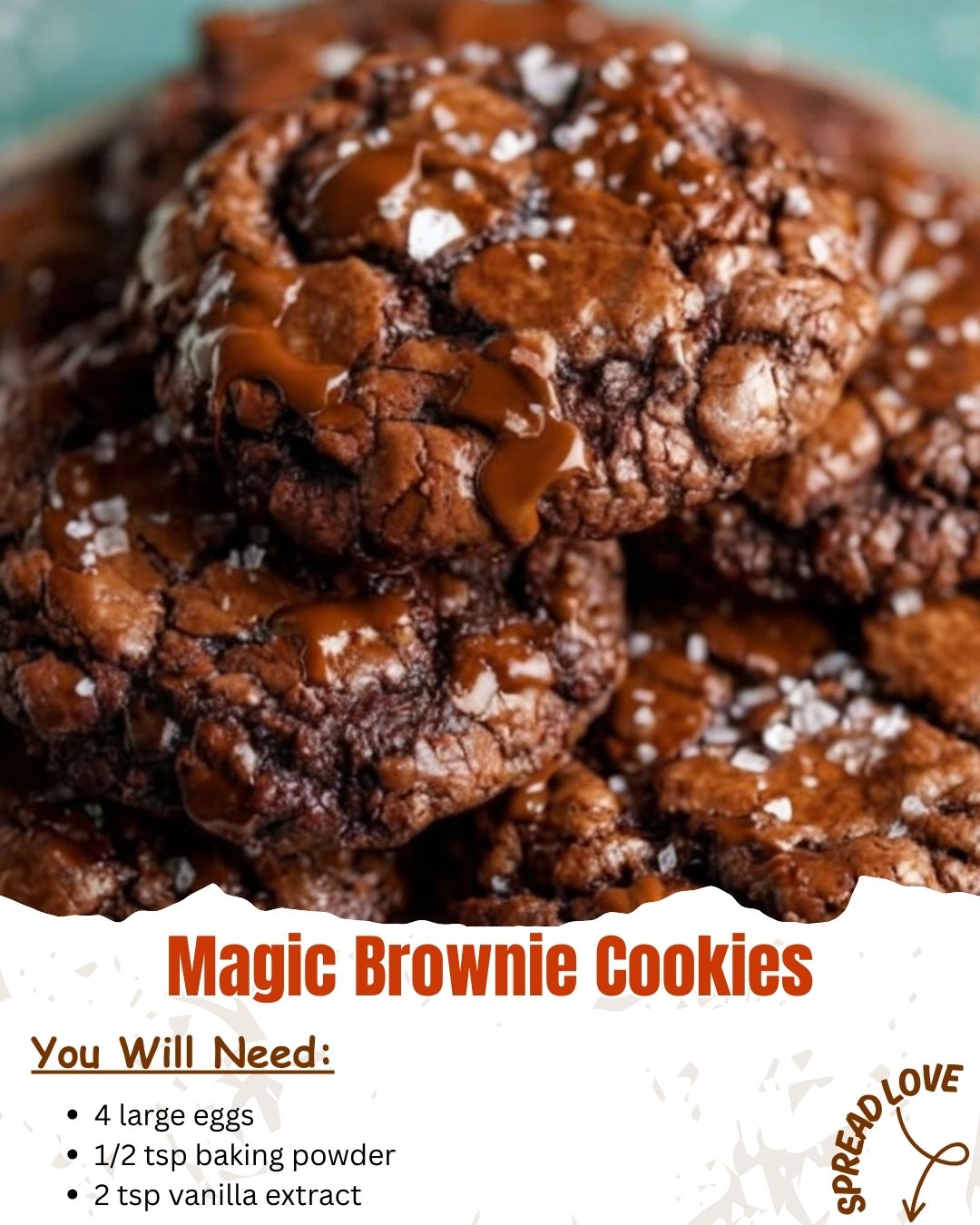
Into the oven they go! I bake for 10-12 minutes. This is the most critical watch-point. You want to pull them out when the edges look set and maybe even a bit crackly, but the centers still appear soft and under-baked. They will look puffy and perfect. I resist the urge to press them. I let them cool on the baking sheet for 5 full minutes—this allows them to set without collapsing completely. Then, I transfer them to a wire rack to cool completely. The wait is agonizing, but it’s worth it for that perfect chew.
Pro Tips for Best Results
I tested chilling the dough versus baking it right away, and for this recipe, baking immediately is the winner. Because the dough relies on the melted butter for spread, chilling it resulted in cookies that were too puffy and cake-like for my taste. If you love a thicker, more brownie-like cookie, you could chill for 30 minutes, but I prefer the classic chewy-with-crisp-edges result from baking straight away. Also, use a cookie scoop! Not only is it faster and less messy, but it ensures all your cookies are the same size and will bake evenly. I used to eyeball it and always ended up with a few overdone and a few underdone cookies.
The type of cocoa powder truly changes the game. As I mentioned, Dutch-process cocoa provides a deeper, more “Oreo-like” chocolate flavor and a darker color. If you use natural cocoa powder, your cookies will have a slightly more reddish hue and a fruitier, sharper chocolate taste. Both are delicious, but knowing the difference helps you pick what you’re in the mood for. I also learned that lining your baking sheets is not just a suggestion. I tried baking a batch directly on a greased sheet once, and the bottoms browned too quickly and had a slight greasy feel. Parchment or a silicone mat creates a perfect barrier.
Don’t skip the resting period on the baking sheet. The first time I made these, I was too eager and moved them right to the rack. They slumped and were almost too fudgy to pick up. Letting them sit for those 5 minutes on the hot pan lets them finish setting up structurally. They’ll deflate slightly, developing those lovely crinkles and a denser texture. This is when you’ll truly see that magical brownie-cookie hybrid come to life.
Common Mistakes to Avoid
My biggest initial mistake was over-baking. I was so worried about raw dough that I left the first batch in for 14 minutes. They came out looking like normal cookies, but once cooled, they were dry and cakey, losing that signature brownie soul. Remember, they continue to cook on the hot tray! Pull them when the centers still look soft. They will set up as they cool. Trust the process, and trust your eyes over a rigid timer—ovens can vary.
Another easy misstep is not properly measuring your flour. I scoop the flour with a spoon into my measuring cup and level it off with a knife. Scooping the cup directly from the bag can pack in too much flour, leading to a dry, crumbly dough. Also, make sure your eggs are at room temperature. Cold eggs can cause the creamed butter and sugar to seize up, making your dough look grainy and affecting the final texture. I simply place my eggs in a bowl of warm water for 5-10 minutes before I start if I’ve forgotten to take them out ahead of time.
Serving Suggestions
I love serving these cookies still slightly warm with a cold glass of milk—it’s the classic combo for a reason. The cold milk perfectly cuts through the intense, warm chocolate. For a truly decadent dessert, I’ll place one in a bowl and top it with a scoop of high-quality vanilla bean ice cream. The ice cream melts into the cracks and creates a puddle of creamy, chocolatey sauce that is absolutely irresistible.(See the next page below to continue…)