Pro Tips for Best Results
Let me share what I learned from testing this three different ways. First, if you have the time, let your cooked meat sauce cool for 10-15 minutes before assembling. A piping hot sauce will start to steam and wilt the tortillas immediately, leading to potential sogginess. A slightly cooled sauce gives you distinct, perfect layers. Second, don’t shy away from pressing down gently on each tortilla layer as you build. This removes air pockets and helps everything compact into a sliceable unit.
Finally, the type of tortilla matters more than you think. I’ve tried this with thin “street taco” tortillas and they almost disintegrated. I’ve also tried corn tortillas, which can become a bit too dense. The large, burrito-size flour tortillas are the absolute best choice. They’re sturdy enough to hold the weight but still become tender and pasta-like in the bake. If you only have smaller ones, just use more of them to create full layers.
Common Mistakes to Avoid
The biggest mistake I made the first time was overfilling the layers. I piled the meat sauce on too thick, thinking more is better. What I got was a delicious but sloppy mess that couldn’t be sliced—it had to be scooped with a spoon! The key is to spread thin, even layers of the meat mixture. Remember, you have three layers of it, so it adds up. A thin, even spread ensures every bite is balanced and the structure holds.
Another pitfall is not seasoning each component. Yes, the taco seasoning is in the meat, but taste your filling before assembling. Does it need a pinch of salt? A squeeze of lime? I also lightly season the tortilla layers with just a whisper of the taco seasoning or some chili powder. It seems small, but it seasons the entire dish from the inside out, preventing any bland bites.
Serving Suggestions
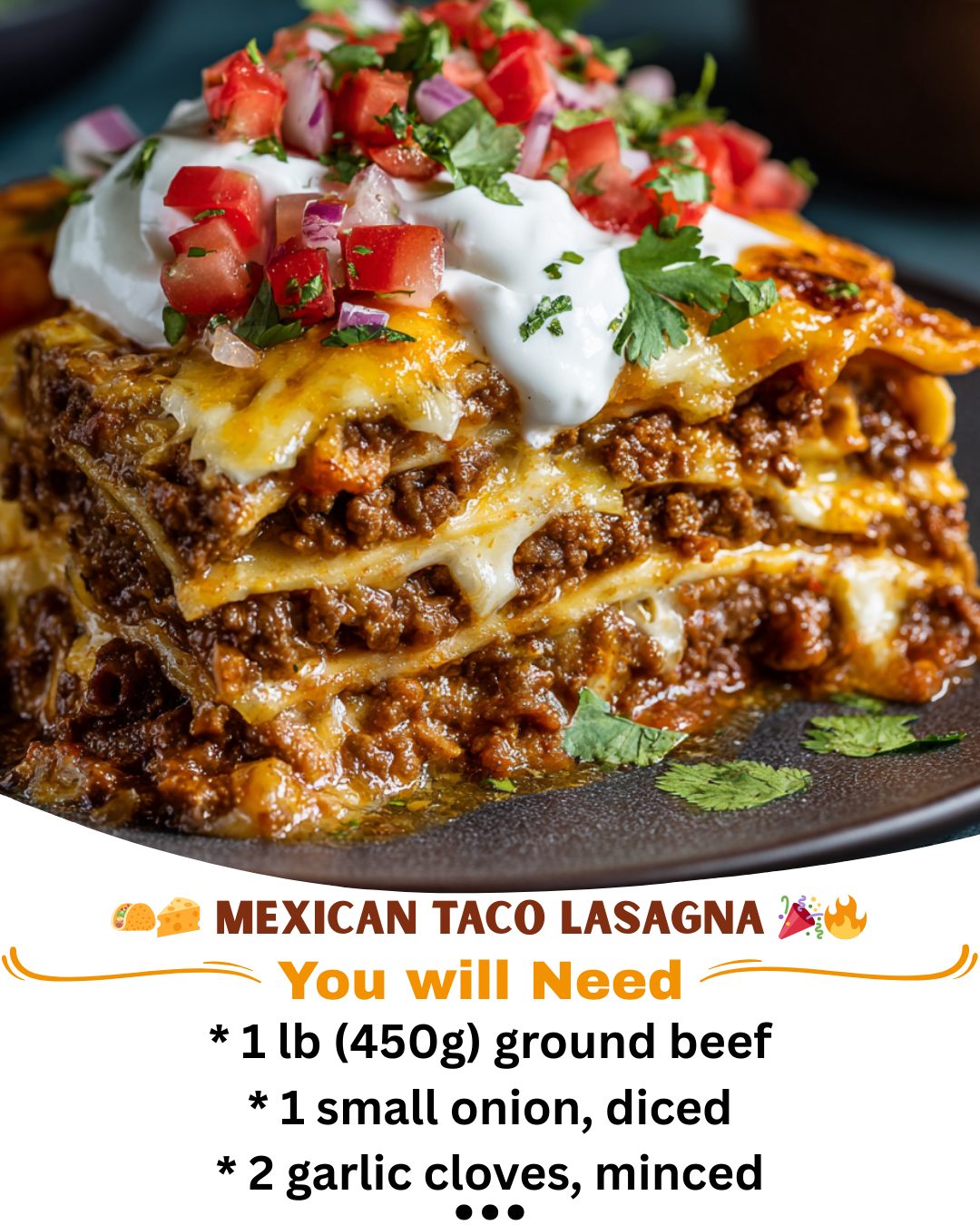
I love serving this lasagna straight from the baking dish at the table—it’s a beautiful, impressive centerpiece. The classic taco toppings are not optional here; they’re essential for brightness and contrast. I always set out bowls of cool sour cream, chunky salsa, diced avocado or guacamole, fresh chopped cilantro, and pickled jalapeños. Let everyone customize their slice. The cool, creamy toppings against the hot, cheesy casserole is what makes each bite perfect.
For sides, I keep it simple. A crisp green salad with a lime-cilantro vinaigrette cuts through the richness beautifully. If I want something heartier, a pot of Mexican rice or some simple seasoned black beans warmed on the stove completes the meal. And for a casual family dinner, a big bag of tortilla chips on the side is always a hit for scooping up any escaped bits.
The beauty of this dish is its versatility. I’ve served it for a festive Cinco de Mayo gathering with margaritas, and I’ve served it on a random Wednesday with just a dollop of sour cream. It works every time. For lunch the next day, a cold slice is even fantastic—the flavors have melded even more.
Variations & Customizations
This recipe is a fantastic canvas. Don’t eat beef? I’ve successfully made it with ground turkey, chicken, and even a plant-based ground “meat” alternative. With poultry, I might add an extra teaspoon of smoked paprika to deepen the flavor. For a vegetarian version, I’ve doubled the black beans and added a can of rinsed pinto beans and sautéed bell peppers to the mix—it’s incredibly satisfying.
You can also play with the “pasta” layer. While flour tortillas are my go-to, I’ve seen friends use no-boil lasagna noodles with great success. You’d just need to increase the liquid slightly in the sauce, perhaps with an extra half-cup of tomato sauce or enchilada sauce. Another fun twist is using corn tortillas for a more traditional corn flavor, though remember they’ll be denser.
Cheese is another area for creativity. While a Mexican blend is easy, a combination of sharp cheddar and Monterey Jack is fantastic. For a touch of smokiness, I’ll sometimes add a handful of shredded pepper jack or a sprinkle of cotija cheese on top with the final layer of blend. The core method stays the same, so feel free to make it your own.
How to Store, Freeze & Reheat
From my experience, leftovers store beautifully. Let the lasagna cool completely, then cover the baking dish tightly with foil or transfer slices to an airtight container. It will keep in the fridge for 3-4 days. To reheat, I prefer the oven (350°F until warmed through) or toaster oven to maintain texture. The microwave works in a pinch but can make the tortillas a bit rubbery. Cover with a damp paper towel if microwaving to add steam.
This is also a brilliant make-ahead freezer meal. Assemble the entire lasagna in a disposable foil pan, but do not bake it. Wrap it tightly in several layers of plastic wrap and then foil. Freeze for up to 2 months. When you’re ready, you can bake it straight from frozen—just add 30-45 minutes to the baking time, and cover it with foil for the first half to prevent over-browning. I always stash one in my freezer for emergency dinner nights; it’s a lifesaver.
Conclusion
Mexican Taco Lasagna is more than just a recipe in my house; it’s a memory-maker, a solution for hectic nights, and a guaranteed path to happy, full bellies. It embodies the joy of cooking: taking simple, familiar ingredients and combining them in a new, wonderfully delicious way. I hope you give it a try and that it brings as much warmth and flavor to your table as it has to mine. Don’t forget to grab that sour cream for on top! Now, go preheat that oven—your new favorite dinner is waiting.