Pro Tips for Best Results
Let’s talk cheese sauce consistency. If it gets too thick while waiting, don’t panic. Just whisk in a tablespoon of warm milk at a time until it’s saucy again. I’ve tried letting it sit without stirring, and a skin forms. To avoid this, I keep it on the absolute lowest heat and place a piece of plastic wrap directly on the surface if I need to step away.
The beef filling should be moist but not watery. If you find there’s too much liquid after simmering, just crank the heat up for a final minute and let it cook off. You want the seasoning to cling to the meat, not pool in the pan. This makes for a wrap that holds its structure and doesn’t get soggy.
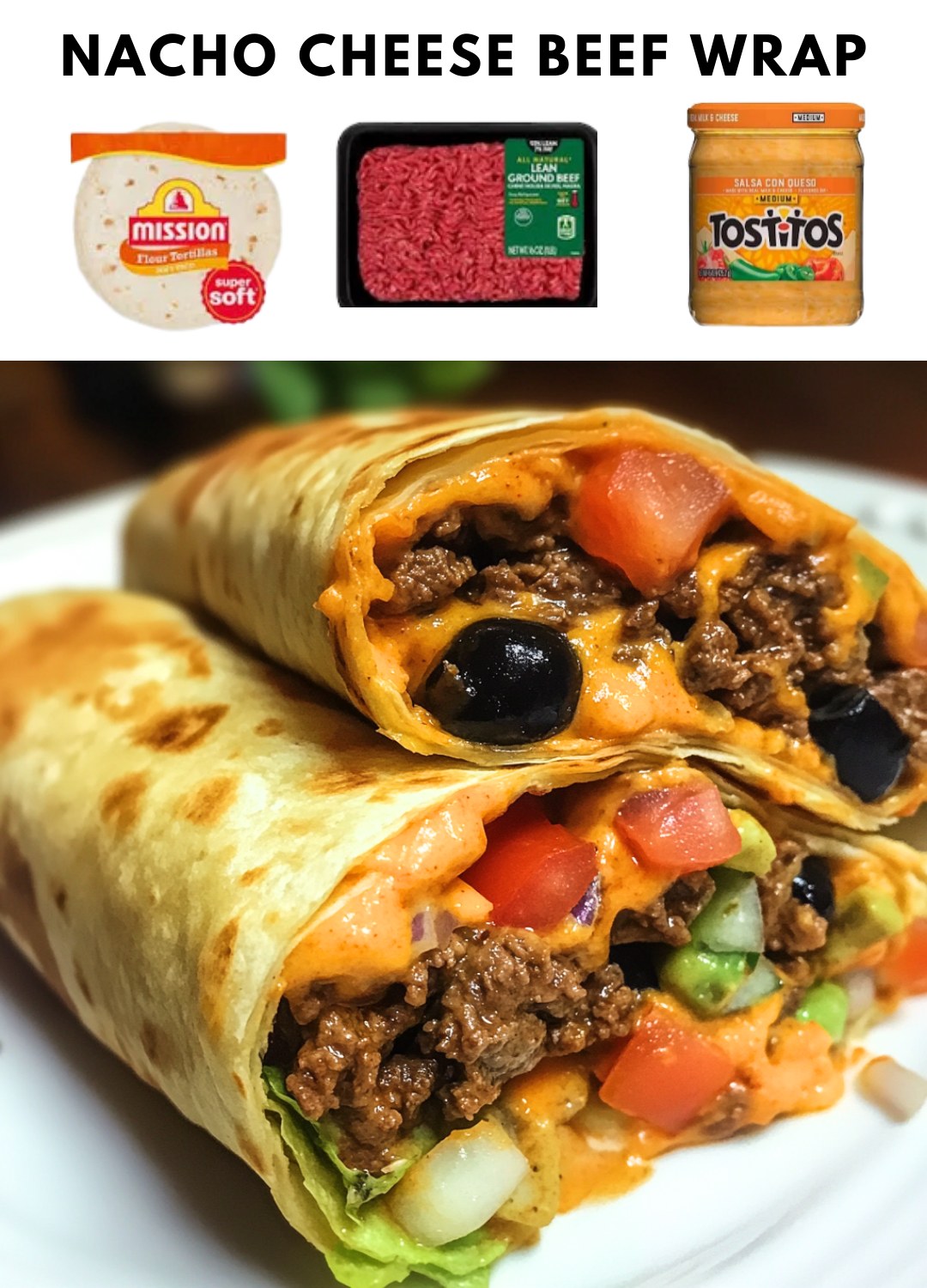
Assembly order matters! I used to put the cheese sauce on first, but it made the tortilla soggy where it mattered most. Putting the beef down first creates a barrier. Then, the cheese sauce acts as a glue for the fresh toppings. Roll it tightly, but don’t overstuff—I made that mistake once, and it was a delicious but messy lesson.
Common Mistakes to Avoid
The biggest mistake is using cold, straight-from-the-fridge tortillas. They will crack and tear every single time, leaving you frustrated and with a leaking wrap. I made this mistake the first time—don’t do what I did. Warming them is not a suggestion; it’s the secret step that makes you look like a pro. Just 30 seconds under a damp towel changes everything.
Another pitfall is adding cold ingredients to your cheese sauce. Make sure your milk is at least room temperature before adding it to the butter and flour roux. Adding ice-cold milk will shock the roux and make it much harder to get a smooth, lump-free sauce. I’ve tried it both ways, and trust me, taking the milk out five minutes early works better.
Serving Suggestions
I love serving these wraps right off the cutting board, family-style, with a big bowl of extra nacho cheese sauce for dipping and a pile of pickled jalapeños on the side. It’s casual, interactive, and always gets smiles. For a true restaurant-style experience, I’ll sometimes slice each wrap in half on a dramatic diagonal and stand them up in a basket lined with parchment paper.
To round out the meal, I keep the sides simple and fresh. A quick corn and black bean salad with lime juice or a mound of crisp tortilla chips with chunky guacamole are my go-tos. They cut through the richness of the wrap perfectly. For drinks, an ice-cold Mexican coke or a light, citrusy beer is absolutely perfect.
If you have any leftover filling (a rare occurrence in my house!), it’s fantastic the next day served over a bed of crispy tater tots for the ultimate nacho fries bowl. The cheese sauce reheats beautifully for this, too.
Variations & Customizations
This recipe is a dream to play with. For a lighter version, I’ve swapped the ground beef for ground turkey or even seasoned, shredded rotisserie chicken. The cheese sauce pairs wonderfully with all of them. My vegetarian friend loves it when I use a plant-based ground “meat” or a can of well-seasoned, drained black beans as the base.
The cheese sauce is also your canvas. I’ve stirred in a spoonful of chipotle in adobo for a smoky kick, or swapped half the cheddar for pepper jack. If you’re a purist, just leave out the diced tomatoes and chiles for a classic, smooth cheese sauce. The wrap toppings are endlessly customizable—add crunchy diced bell peppers, creamy avocado slices, or a drizzle of cool sour cream or cilantro-lime crema.
How to Store, Freeze & Reheat
To store leftovers, I wrap each assembled wrap tightly in foil and keep them in the fridge for up to 2 days. I don’t recommend storing them longer assembled, as the tortilla can get soggy. Instead, store the components separately: the beef and cheese sauce in airtight containers in the fridge for 3-4 days, and just assemble fresh wraps when you’re ready.
You can freeze the cooked and cooled beef filling and the cheese sauce separately in freezer bags for up to 3 months. Thaw overnight in the fridge. Reheat the beef in a skillet with a splash of water and the cheese sauce gently on the stovetop with a little extra milk. I don’t recommend freezing the fully assembled wraps, as the fresh veggies and tortilla texture don’t hold up well.
Conclusion
This nacho cheese beef wrap is more than just a recipe in my home—it’s a guaranteed mood-lifter, a solution for busy nights, and a delicious reminder that the best meals are often the simplest ones to make. I hope it finds its way into your regular rotation and brings as much messy, cheesy joy to your table as it has to mine. Now, go warm those tortillas and get wrapping