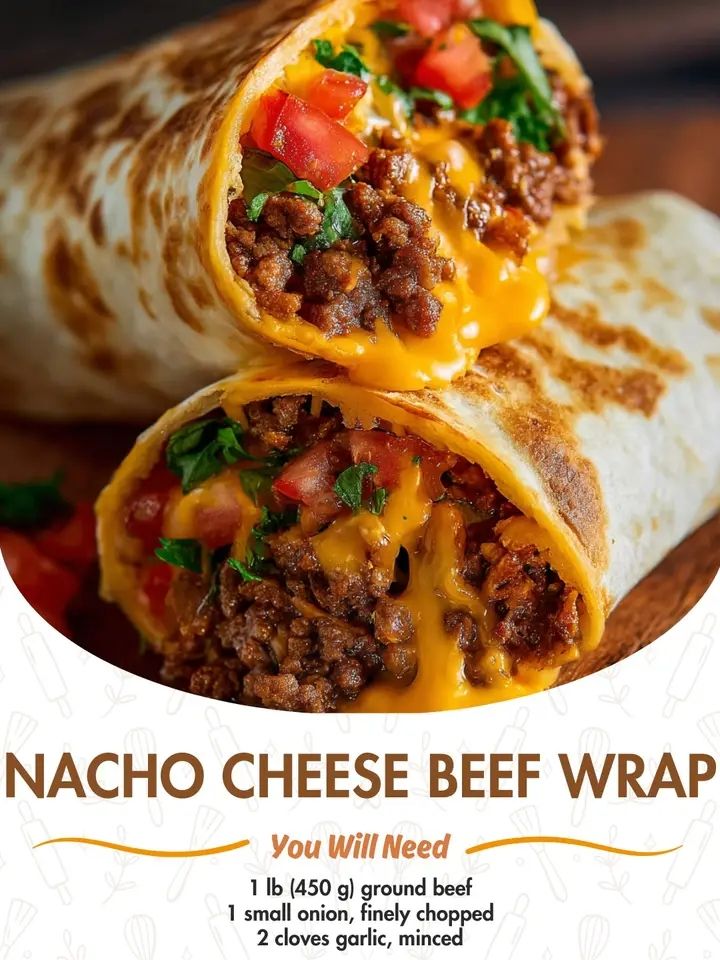
Finally, assembly and the magic finish! I lay a tortilla flat and spoon a generous line of the beef mixture down the center, leaving a good border at the ends. I top it with lettuce, tomato, jalapeños, and an extra drizzle of the remaining cheese sauce. To fold, I fold in the sides, then roll tightly from the bottom up. I heat my second skillet (or clean the first) over medium heat with a tiny bit of oil and place the wrap seam-side down. I toast it for 2-3 minutes per side until it’s beautifully golden and crisp. That toasting step? Non-negotiable. It transforms the wrap.
Pro Tips for Best Results
I’ve tested warming the tortillas three different ways, and here’s what works best for preventing tears: steam them. I drape them over the steaming beef mixture for a few seconds, or quickly pass them over a gas flame. This makes them pliable and strong. Microwaving them under a damp towel can make them gummy, and cold tortillas straight from the fridge will almost certainly crack when you roll them.
For the filling consistency, you want it thick, not runny. That simmering step with the seasoning and water is crucial—it allows the liquid to reduce. If you skip reducing it, you’ll end up with a soggy, leaking wrap that’s impossible to eat neatly. I learned this the messy way! Let the mixture cool for just a minute or two before assembling; a scalding-hot filling will also steam and soften your tortilla too much.
Don’t overfill! This was my most common mistake. It’s tempting to pack in as much as possible, but a modest, compact line of filling is the secret to a tight, secure roll that toasts evenly and holds together when you bite into it. If you have extra filling, just make a fifth wrap or save it for a fantastic taco salad tomorrow.
Common Mistakes to Avoid
The first time I made these, I was in a rush and didn’t drain the beef fat after cooking. I thought, “More fat, more flavor,” right? Wrong. The excess grease made the tortillas greasy and limp, and it pooled unappetizingly in the skillet when toasting. Now, I always drain it, leaving just a bit for moisture. It’s a simple step that elevates the final texture from soggy to sublime.
Another pitfall is using cold, straight-from-the-fridge toppings. I get it, it’s convenient. But slapping icy-cold lettuce and tomato onto your hot filling creates condensation inside the wrap, leading to a sad, damp tortilla. I take my toppings out about 15 minutes before assembly. Letting them come closer to room temperature makes a noticeable difference in the structural integrity of your finished wrap.
Finally, don’t skip the toasting step! I’ve served them untoasted, and while still tasty, they’re just… floppy. The toasted, crispy exterior provides the perfect contrast to the soft, melty interior. It also seals the seam, locking everything inside. If you’re short on time, you can even use a panini press. It’s the final touch that makes this feel like a restaurant-quality meal.
Serving Suggestions
I love serving these wraps straight from the skillet, cut in half on a diagonal to show off all the colorful layers inside. On the side, I always have extra nacho cheese sauce for dipping and a big dollop of cool, full-fat sour cream. The tang of the sour cream cuts through the richness of the beef and cheese perfectly, creating a balanced bite every time.(See the next page below to continue…)