Pro Tips for Best Results
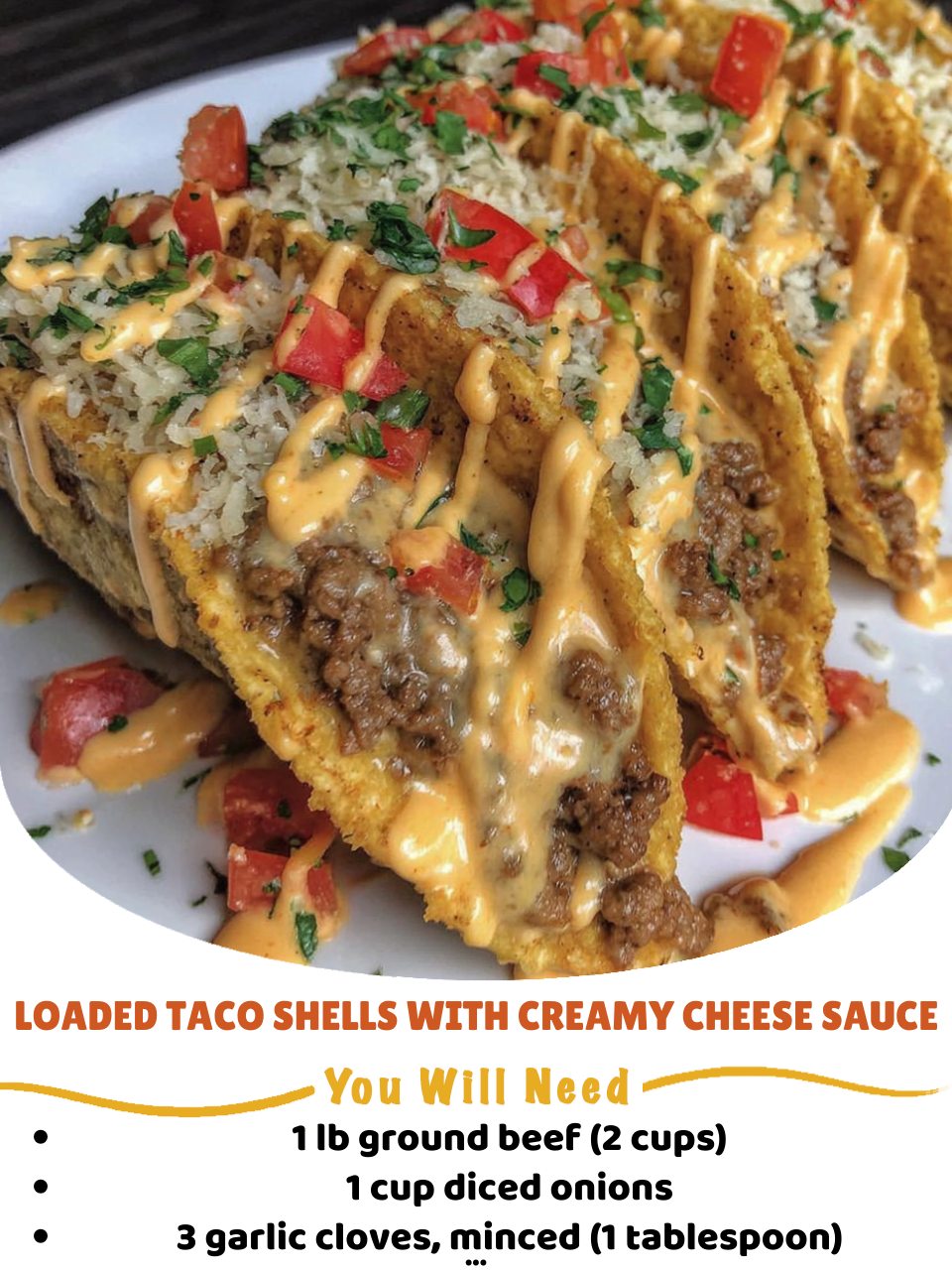
One of my biggest lessons came from the taco shells themselves. I used to just plop them in the dish, but they’d often tip over when loaded. Now, I tightly pack them together in the baking dish, sometimes using a few dry beans in the gaps between shells to help keep them perfectly upright. It’s a simple trick that makes presentation so much better.
For the beef filling, don’t be afraid to let it cook down and really thicken in the skillet after adding the water and seasoning. A runny filling will make the taco shells soggy. I let mine simmer until almost all the liquid is absorbed, leaving just a thick, glossy coating on the meat. This ensures every bite is packed with flavor and your shells stay as crisp as possible.
The cheese sauce is forgiving, but needs attention. If it seems too thick after adding the cheeses, you can whisk in a splash more warm milk. If it’s too thin, let it simmer on low for another minute or two. Remember, it will thicken a bit more as it bakes and as it cools on your plate. Making it slightly looser than you think is perfect, because it sets up just right.
Common Mistakes to Avoid
The first time I made this, I was in a hurry and used cold milk straight from the fridge for my sauce. Big mistake. The temperature shock made the roux seize up, and I ended up with a lumpy, grainy mess that I had to strain. It was such a waste! Now I always, always warm my milk slightly first. It blends seamlessly with the roux for a perfectly smooth sauce every single time.
Another pitfall is overloading the shells before adding the cheese sauce. It’s tempting to pack in as much filling as possible, but if you mound it over the top, the cheese sauce just slides off and pools in the dish. You want the filling just to the brim of the shell, so the sauce can sit nicely on top and bake into it. Less is more here for the best structural integrity and cheesy coverage.
Serving Suggestions
I love serving this right out of the oven while everything is hot and gooey. I place the baking dish on a trivet in the middle of the table with all the garnishes in little bowls around it—diced fresh tomatoes, thin slices of jalapeño, a big bunch of cilantro, and a generous dollop of cool sour cream. Letting everyone garnish their own shells makes it fun and interactive.
To round out the meal, I almost always pair this with a simple, crisp side to cut through the richness. A quick lime-cilantro coleslaw or just a basic green salad with a tangy vinaigrette works wonders. The freshness is the perfect counterbalance to the decadent, cheesy, meaty shells.
For a more casual spread, some easy Mexican-style rice and a bowl of tortilla chips with salsa and guacamole on the side turns it into a full-blown feast. It’s my favorite menu for game day or a casual dinner with friends because it feels special but is so easy on the cook.
Variations & Customizations
This recipe is a fantastic canvas. When I want to lighten it up, I’ve successfully swapped the ground beef for ground turkey or even a plant-based crumble. The key is to bump up the seasoning a touch, as leaner proteins can be milder in flavor. It works beautifully and is just as satisfying.
For a veggie-packed version, I’ve added finely diced bell peppers and zucchini to the skillet with the onions. You can also swap the black beans for pinto beans or kidney beans. And if you love heat, mixing a tablespoon of diced chipotle in adobo into the cheese sauce adds an incredible smoky kick that my spice-loving friends adore.
You can even play with the shells. I’ve used stand-and-stuff style tortillas for a wider base, and they work great. For a lower-carb option, I once layered the filling and sauce in a casserole dish and served it with sturdy tortilla chips for scooping—it was a delicious, deconstructed success.
How to Store, Freeze & Reheat
For leftovers, I store any cooled, assembled shells in an airtight container in the fridge for up to 3 days. To reheat, I find the oven is best to keep the shells from getting soggy. I place them on a baking sheet at 350°F for about 10-15 minutes, until hot through. The microwave works in a pinch, but will soften the shells significantly.
You can freeze this dish before baking. I assemble it completely in a freezer-safe dish, wrap it tightly in a couple layers of plastic wrap and foil, and freeze for up to 2 months. To bake, I don’t thaw it; I just remove the wrapping, cover it with foil, and bake from frozen at 375°F for about 45 minutes, then uncover and bake for another 15-20 minutes to brown the top. The cheese sauce freezes and reheats beautifully this way.
Conclusion
This recipe for Loaded Taco Shells with Creamy Cheese Sauce has earned a permanent spot in my dinner rotation for good reason. It’s the kind of meal that feels like a hug, combining familiar, beloved flavors in a new and exciting way. I hope it brings as much joy and deliciousness to your table as it has to mine. Give it a try this week—I promise you won’t regret it. Happy cooking