Step-by-Step Instructions
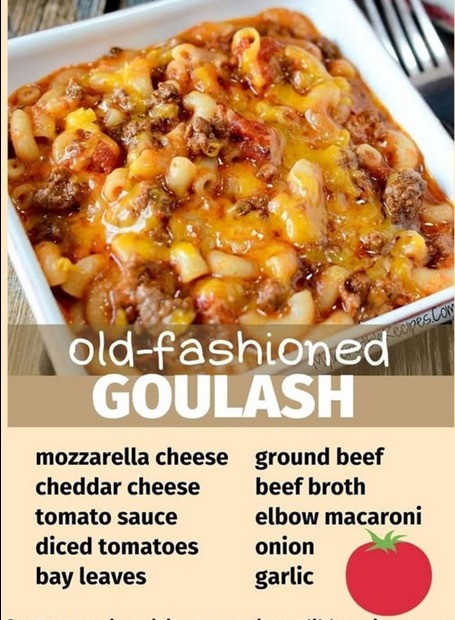
First, we build our flavor base. I drizzle a bit of olive oil into my pot over medium-high heat and add the ground beef, breaking it up with my spoon. Here’s a tip I learned through trial and error: don’t just grey the meat—let it get a proper, dark brown crust in spots. That fond (the tasty browned bits on the bottom) is liquid gold. I drain most of the excess fat, then add the diced onion and bell pepper. I cook them until they’re soft and fragrant, about 5-7 minutes, then stir in the garlic for just 30 seconds until its aroma hits me.
Now, for the magic. I sprinkle the sweet paprika directly over the meat and veggies. Stirring constantly for a minute toasts the paprika, waking up its oils and flavor—don’t let it burn! Then, I pour in the beef broth and use my wooden spoon to scrape up every last bit of that fond. This deglazing step is where you capture all the depth. I add the tomato sauce, diced tomatoes, oregano, thyme, bay leaf, salt, and pepper. I bring it to a lively bubble, then reduce the heat to low, cover it, and let it simmer gently for 20 minutes. My kitchen smells absolutely incredible at this point.
After the sauce has simmered and thickened slightly, I stir in the dry elbow macaroni. This is the old-fashioned way—the pasta cooks right in the sauce, absorbing all that flavor. I make sure the pasta is fully submerged, cover the pot again, and let it cook for 10-12 minutes, stirring once halfway through to prevent sticking. When the pasta is al dente, I turn off the heat, remove the bay leaf, and stir in both cheeses until they’re melted into a glorious, creamy tapestry. I let it sit for 5 minutes off the heat—it’s agony to wait, but this allows it to perfect its consistency.
Pro Tips for Best Results
The first time I made this, I was impatient and added the pasta before the sauce had simmered. The result was a soupy, unbalanced dish. I tested this three different ways, and the sequence matters: let the sauce simmer alone first. This 20-minute window allows the flavors to marry and concentrate, creating a robust base that can stand up to and season the pasta perfectly. It’s the difference between a good goulash and a great one.
Another lesson from my kitchen: season in layers. I season the beef while browning, I adjust the sauce after simmering, and I do a final taste after adding the cheese. Cheese adds saltiness, so if you salt the sauce aggressively at the beginning, you might end up with an overly salty final dish. I’ve learned to go easy early on and do the final adjustment at the end. It gives you complete control.
Finally, don’t skip the rest time. When you stir in the cheese and it’s all melty and perfect, the urge to dig in is overwhelming. But covering it and letting it sit off the heat for 5-10 minutes is a game-changer. The pasta continues to absorb liquid, the sauce tightens up to the ideal, hearty consistency, and the flavors settle into each other. It’s worth the wait, I promise.
Common Mistakes to Avoid
One mistake I see (and made myself early on) is using the wrong paprika. Smoked paprika will completely change the profile of this dish, giving it a BBQ-like flavor that, while tasty, isn’t authentic to this old-fashioned version. Stick with sweet Hungarian paprika for that classic, warm, earthy note. Also, don’t rush the browning of the beef. A quick grey steam doesn’t build the same complexity as a proper, patient sear. Those browned bits are your foundation.
(See the next page below to continue…)