Common Mistakes to Avoid
The biggest mistake I made early on was stirring the syrup after it started boiling. I couldn’t help myself—I thought I needed to prevent burning. All I did was create a pan of grainy, sugary sand. Once the sugars dissolve and the mixture comes to a boil, put the spoon down and just let it do its thing with the thermometer monitoring the temp. Similarly, do not, under any circumstances, try to double this recipe in one batch. The volume will prevent it from cooking and setting correctly. If you need more, make two separate batches.
Another heartbreaker is rushing the cooling process. I’ve been so eager that I’ve popped the warm pan into the fridge, thinking it would speed things up. What you get is a fudge that sweats and gets a weird, sticky film on top. Room-temperature cooling is slow but essential for the perfect texture. And while we’re on textures, substituting the peanut butter, as I mentioned, is the most common pitfall. That all-natural, healthy stuff will separate and create an oily, unset mess. Save it for your toast and use the conventional stuff here.
Serving Suggestions
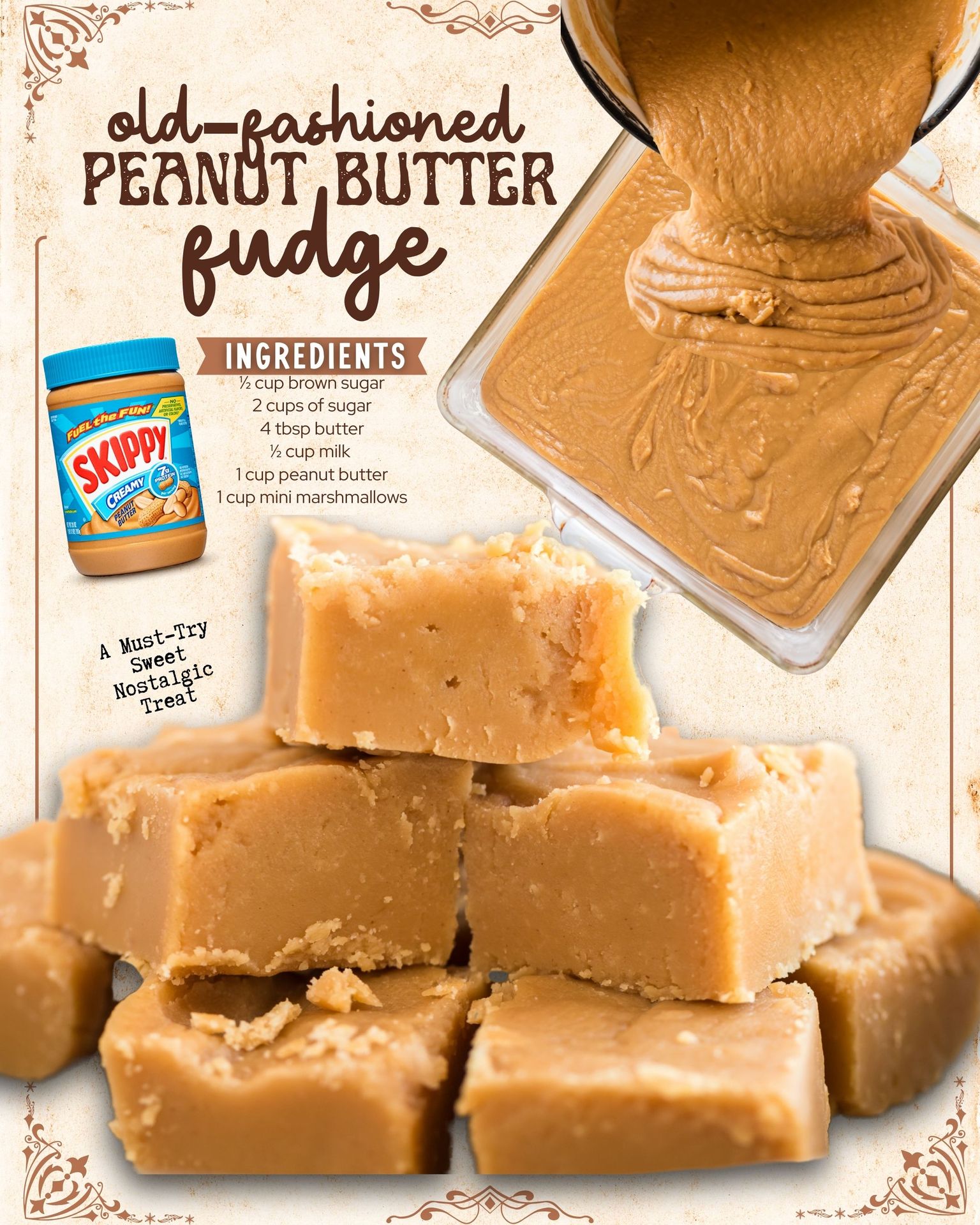
I love serving this fudge on a vintage ceramic plate at room temperature, cut into small, bite-sized squares. It’s incredibly rich, so little pieces are perfect. For a truly nostalgic dessert board, I’ll arrange it alongside a few other old-fashioned classics, like shortbread cookies and chocolate-dipped pretzels. A glass of ice-cold milk is its traditional and perfect partner—the creaminess cuts the sweetness beautifully.
For a holiday or gift-giving twist, I stack a few pieces in a clear cellophane bag tied with a rustic ribbon. I always include a small note card with the recipe name, as people inevitably ask for it. It’s a heartfelt, homemade gift that feels so much more personal than anything store-bought. When I bring this to a potluck, it’s always the first platter to empty, without fail.
Variations & Customizations
Once you’ve mastered the classic, it’s fun to play around. My favorite variation is a “Rocky Road” version. Right after pouring the fudge into the pan, I press in a handful of mini chocolate chips and chopped toasted walnuts. The residual heat slightly melts the chips, creating delicious swirls. It’s a fantastic textural contrast to the smooth fudge. I’ve also drizzled melted dark chocolate over the top once it’s set for a simple yet elegant finish.
For my sea salt-loving friends, I’ll sprinkle a few flakes of high-quality flaky sea salt over the fudge right after spreading it in the pan. The sweet-salty combo is sublime. You could even stir in some crispy crumbled bacon for an adventurous twist! If you’re a chocolate-peanut butter fanatic, replace ¼ cup of the peanut butter with ¼ cup of sifted cocoa powder when you add the marshmallows for a marbled flavor effect.
How to Store, Freeze & Reheat
Storing this fudge is wonderfully simple. Once completely cool and cut, I layer the squares between sheets of parchment or wax paper in an airtight container. It keeps perfectly at room temperature in a cool, dark place for about 1-2 weeks. I don’t recommend the fridge for long-term storage, as it can dry out the fudge and absorb other odors. The humidity in the fridge can also alter its texture.
Yes, you can absolutely freeze it! I wrap individual squares tightly in plastic wrap, then place them all in a heavy-duty freezer bag. It freezes beautifully for up to 3 months. To thaw, I simply move a few squares to the counter in their wrapper and let them come to room temperature slowly, which takes an hour or two. This preserves the perfect texture. There’s no need to reheat fudge, but if you love it slightly soft, you can microwave a single square for a mere 5-7 seconds.
FAQ Section
Can I use marshmallow fluff instead of mini marshmallows?
I get this question a lot, and I’ve tried it! While it will work in a pinch, the texture is slightly different. Mini marshmallows give the fudge a lighter, more distinct melt. Fluff can make it a bit denser and sweeter. If you must substitute, use 1 cup of marshmallow fluff and add it at the same time as the peanut butter. But for the truest “old-fashioned” result, the minis are the way to go.
My fudge didn’t set. What happened?
This is usually a temperature issue. If it’s too soft, you likely didn’t cook the syrup to a high enough temperature. If it’s gooey, you may have under-beaten it after adding the peanut butter. Don’t despair! You can often fix soft fudge by scraping it back into the saucepan, adding a bit more milk (a tablespoon), and re-cooking it to 235°F before beating again. I’ve saved a batch this way!
Why is my fudge grainy or sugary?
Graininess is almost always caused by sugar crystals forming, usually from stirring after the boil begins or from getting crystals on the side of the pan that fell in. To prevent this, after the initial stir to dissolve, I use a wet pastry brush to wash down any sugar crystals on the sides of the pot before the mixture comes to a full boil. It’s a small step that makes a big difference.
Conclusion
Making this Old Fashioned Peanut Butter Fudge has become one of my favorite kitchen rituals. It’s a recipe that asks for a little patience and rewards you with a mountain of creamy, comforting joy. There’s something deeply satisfying about turning simple pantry staples into such a beloved treat. I hope you’ll give it a try, share it with someone you love, and maybe even start a sweet tradition of your own. Happy cooking, and enjoy every blissful, peanut-buttery bite