Pro Tips for Best Results
Here’s what I learned after testing this three different ways: letting the salmon come to room temperature for 15 minutes before cooking is a game-changer. It ensures the fillets cook evenly from edge to center, so you don’t end up with an overcooked outside and a cold middle. I used to skip this, thinking it didn’t matter, but it truly does.
Your pan temperature is everything. If the pan isn’t hot enough when the salmon goes in, it won’t sear; it’ll just absorb the oil and butter and become soggy. I test it by flicking a tiny drop of water into the pan—if it sizzles and dances, you’re good to go. Conversely, when you’re making the sauce, keep the heat at a true medium. Too high, and the cream can scorch or break.
Don’t skip the fresh lemon juice at the end. I know it seems like a small thing, but that bright, acidic pop is the magic that cuts through the richness of the cream and butter, balancing the entire dish. I once forgot it, and the sauce, while still tasty, felt one-note and heavy. That squeeze of lemon wakes up every single flavor.
Common Mistakes to Avoid
I made a critical mistake the first time I tried a sauce like this: I added the parmesan cheese while the sauce was at a rolling boil. The high heat caused the dairy and cheese to separate, leaving me with a greasy, grainy mess. Don’t do what I did! Always ensure the sauce is at a gentle simmer—just below a boil—when you add the cheese, and whisk constantly until it’s smoothly incorporated.
Another pitfall is overcooking the salmon. Remember, it continues to cook while resting in the hot sauce. When you first sear it, aim for it to be just opaque about halfway up the sides before flipping. By the time it finishes in the sauce, it will be tender, moist, and flake easily with a fork. Overcooked salmon becomes dry and chalky, and no amount of creamy sauce can fully save it. Use a timer and trust the process.
Serving Suggestions
I like serving this salmon directly from the skillet at the table for a cozy, family-style feel. My absolute favorite way is to spoon it over a big bed of simple, buttery mashed potatoes. The creamy sauce and potatoes are a match made in heaven, and it soaks up every last drop. It’s the ultimate comfort food plate.
For a lighter option, it’s fantastic with steamed asparagus, roasted broccoli, or a simple green salad on the side. The crisp-tender vegetables provide a wonderful textural contrast to the rich salmon and sauce. I often will toss some pasta, like fettuccine or linguine, right into the pan with the sauce and salmon for a quick, decadent pasta dish—it’s a fantastic way to stretch the meal for unexpected guests.
No matter what you serve it with, I always finish the plate with an extra sprinkle of fresh herbs—some chopped parsley or dill—and maybe a little extra black pepper. It adds a fresh color and fragrance that makes the dish look as incredible as it tastes. A slice of crusty bread on the side is also non-negotiable in my house for swiping up the extra sauce.
Variations & Customizations
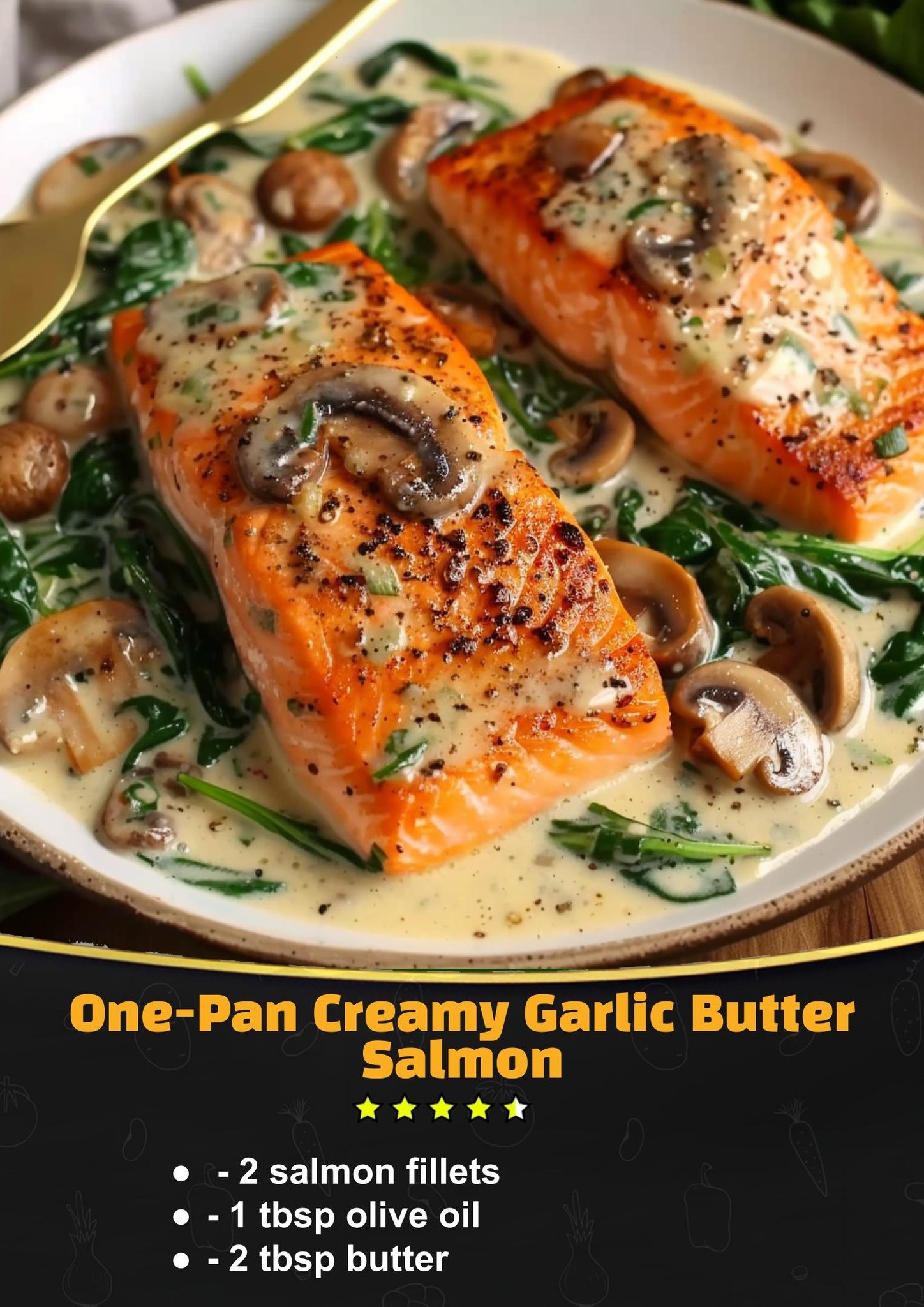
This recipe is wonderfully adaptable. Not a fan of spinach? Swap it out for sun-dried tomatoes, chopped artichoke hearts, or even some sliced mushrooms. If you sauté mushrooms in the pan after removing the salmon, they add an incredible umami depth. I’ve tried the mushroom version for my husband, and he declared it his new favorite.
You can easily play with the protein, too. This creamy garlic butter sauce is spectacular with chicken breasts or even large shrimp. For chicken, you’d just need to adjust the initial cook time, ensuring the chicken is nearly cooked through before setting it aside and proceeding with the sauce. Shrimp cook so quickly that I add them raw to the simmering sauce and let them cook through in just 3-4 minutes.
If you want a different flavor profile, try substituting the Italian herbs for a teaspoon of smoked paprika and using a sharp white cheddar instead of parmesan. Or, for a touch of heat, add a pinch of red pepper flakes to the garlic as it sautés. The base recipe is your perfect canvas—have fun with it based on what you love and what’s in your fridge.
How to Store, Freeze & Reheat
Leftovers (if you’re lucky enough to have any!) keep well in an airtight container in the refrigerator for up to 2 days. To reheat, I strongly recommend doing so gently. Microwaving can cause the salmon to become rubbery and the sauce to separate. Instead, place it in a skillet over low heat with a tiny splash of broth or cream. Cover and warm it slowly, stirring occasionally, until just heated through.
I don’t recommend freezing the fully assembled dish. Dairy-based sauces and cooked salmon don’t freeze and thaw well; the texture of both suffers significantly. However, you can freeze the uncooked, seasoned salmon fillets individually. When ready to cook, thaw them completely in the refrigerator overnight and pat them extra dry before starting the recipe. This is a great way to always be just 20 minutes away from this fantastic meal.
Conclusion
This One-Pan Creamy Garlic Butter Salmon is more than just a recipe to me; it’s my go-to for turning an ordinary evening into something a little special with hardly any effort. It’s proof that a truly delicious, impressive meal doesn’t require complicated techniques or a sink full of dishes. I hope it finds its way into your kitchen and becomes a cherished, reliable favorite for you, too. Give it a try this week, and let me know how it turns out! Happy cooking