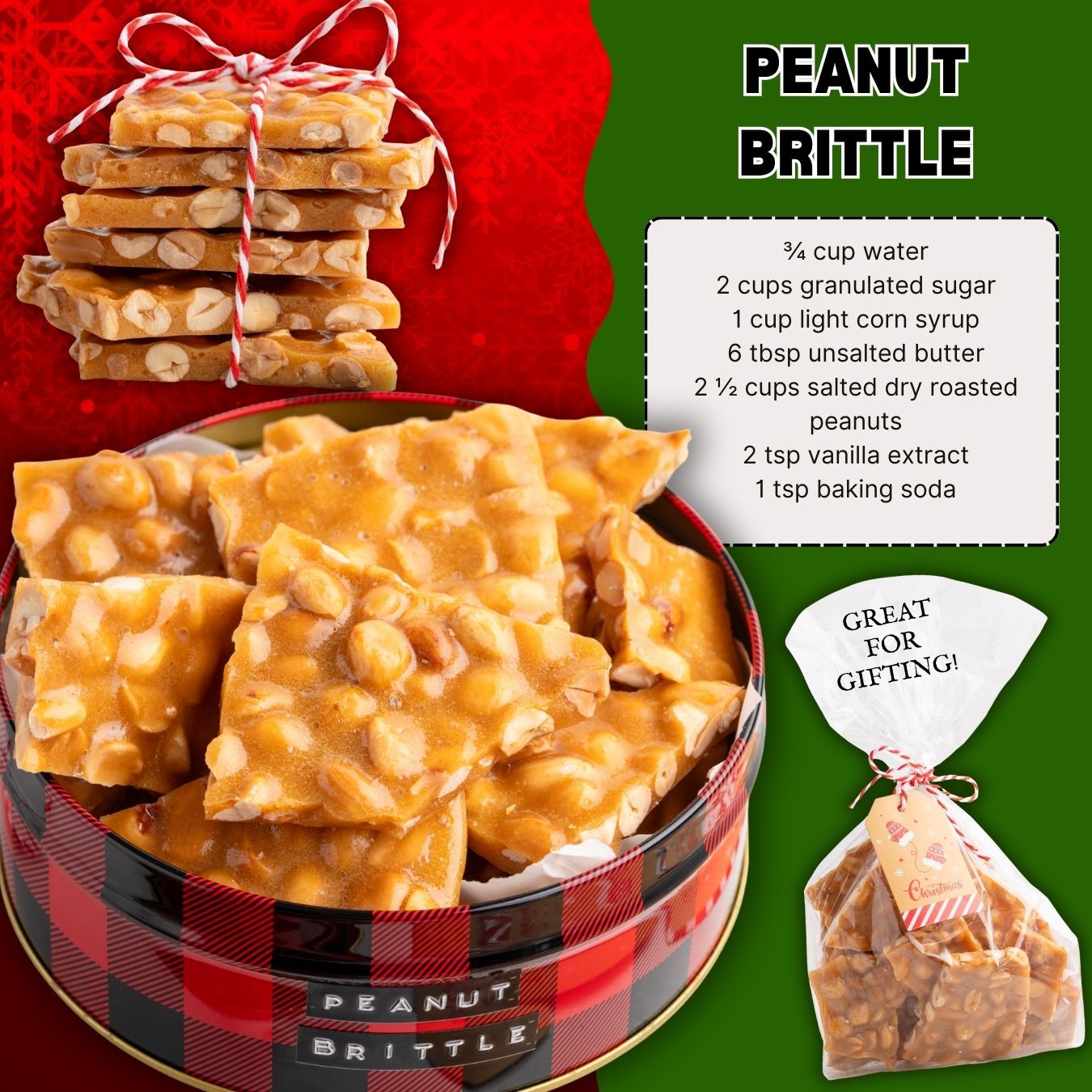
Step-by-Step Instructions
The process starts gently. I combine the water, sugar, and corn syrup in my big pot over medium heat, stirring just until the sugar dissolves. Once it’s clear, I stop stirring entirely—this is crucial. Agitation can cause crystallization. I clip on my candy thermometer and let the mixture boil, undisturbed, until it reaches about 280°F (the soft-crack stage). This takes patience; the first time I made it, I kept poking and stirring, and my brittle was cloudy. Just let it be and watch the thermometer. The wait is worth it.
When the syrup hits 280°F, I stir in the butter and the peanuts. Now, the real transformation begins. The mixture will thicken dramatically and turn a gorgeous caramel color as you stir constantly. Keep that thermometer in and watch it climb to 300°F (the hard-crack stage). This is the moment of truth. I pull the pot off the heat the second it hits 300°F. Waiting even 30 seconds longer can lead to a burnt, bitter taste. Working quickly but carefully, I stir in the vanilla and then the baking soda. It will foam up volcanically—this is the good stuff! That foam is what gives us the perfect texture.
Now, pour the furious, foamy mass onto your prepared baking sheet. It will be insanely hot, so please be careful. I use my wooden spoon or a heat-resistant spatula to push and spread it out as thin as I can. Some people use a rolling pin with parchment on top, but I find a sturdy spatula gives me more control. Don’t spend too long trying to make it perfect; it sets incredibly fast. Just let it spread, then step back and let it cool completely. The sound of it crackling as it cools is deeply satisfying.
Pro Tips for Best Results
First, timing and temperature are everything. I’ve tested this three different ways: guessing the stage, using a glass thermometer, and using a digital one. The digital thermometer is a game-changer. It reacts faster and is easier to read, removing all the guesswork from the most critical step. Also, have your vanilla and baking soda measured and ready to go right next to the stove before you even start cooking. When you hit 300°F, there is zero time to go hunting in the cupboard.
Second, the peanuts matter more than you think. I once used unsalted, raw peanuts thinking I could control the salt. The result was bland and the nuts tasted under-toasted. The pre-roasted salted peanuts bring a depth of flavor and sturdy crunch that raw nuts simply can’t achieve in the short cooking time. They’re the backbone of the flavor. Also, resist the urge to add more nuts than the recipe calls for; too many can make the brittle crumbly and difficult to coat in the syrup.
Finally, embrace the pour and don’t overwork it. Your instinct will be to get it perfectly even and rectangular. Fight that instinct. Pour it, push it to the edges roughly, and leave it. If you keep messing with it as it starts to set, you’ll deflate those precious air bubbles from the baking soda and end up with a denser brittle. It’s homemade—it’s supposed to have character! Let it cool completely, at least an hour, before you even think about breaking it.
(See the next page below to continue…)