Common Mistakes to Avoid
The biggest mistake I made the first time was stirring the sugar syrup after it started boiling. I was nervous and kept jiggling the spoon, and I ended up with a gritty, crystallized batch. It was heartbreaking after all that waiting! Remember: stir only to dissolve the sugar at the very beginning. Once it boils, hands off the spoon until it’s time to add the butter and peanuts. Let the thermometer be your guide, not your eyes or your nerves.
Another critical error is misjudging the heat. If your burner is too high, the outside of the syrup can scorch before the center reaches the right temperature. A steady medium to medium-high heat is perfect. And don’t try to make a double batch in the same pot. The volume will be too great, and it won’t cook evenly. If you need more, make two separate batches. It’s a bit more work, but it guarantees success instead of a pot of uneven, partially burnt candy.
Serving Suggestions
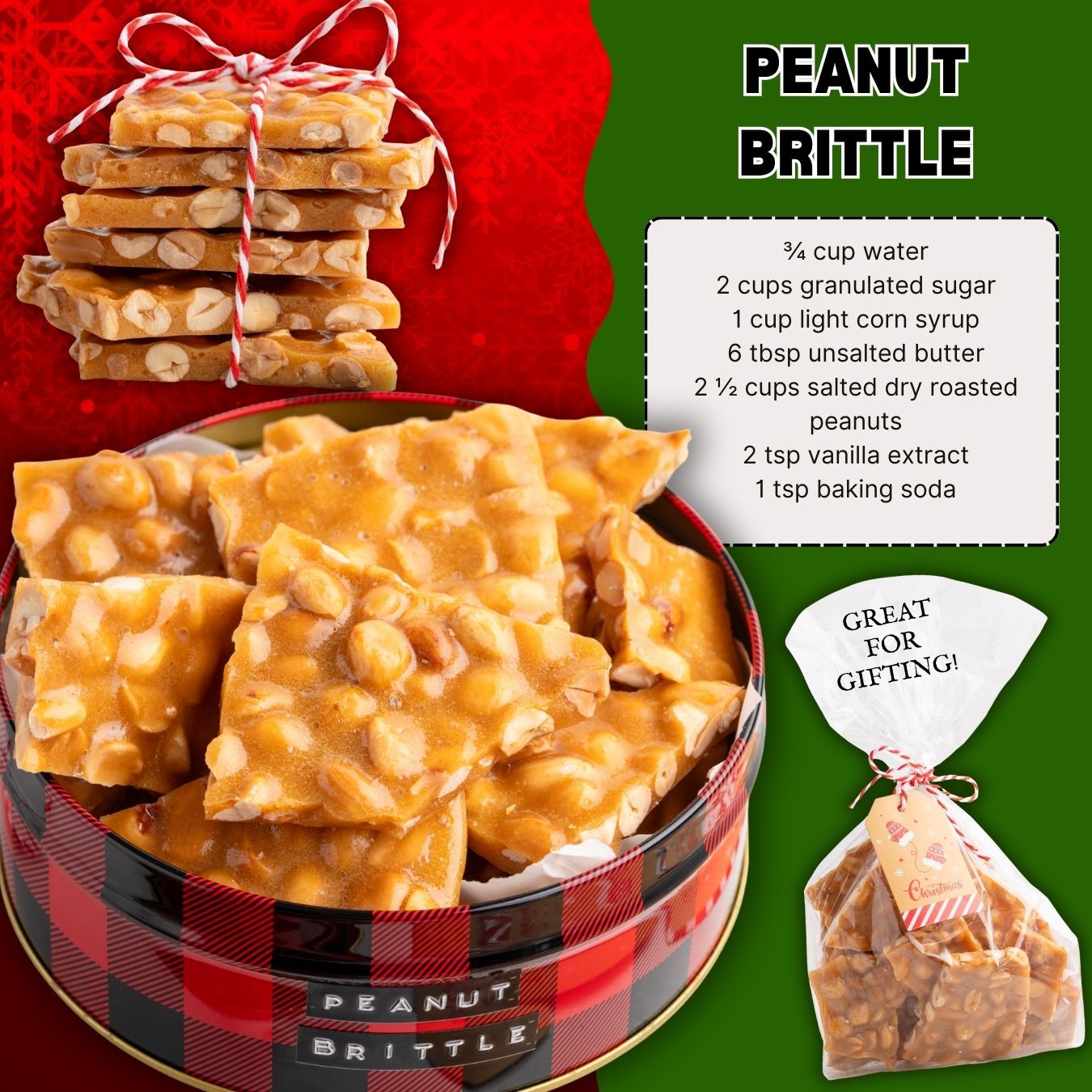
I love serving peanut brittle just as it is, piled high on a rustic platter for people to grab and crunch. It’s a fantastic standalone treat with a cup of strong coffee or a glass of cold milk—the contrast is divine. For the holidays, I pack it into cellophane bags tied with ribbon; it truly is the perfect homemade gift that always impresses. People are so delighted to receive something so delicious and clearly made with care.
For a more composed dessert, I’ll crumble it over vanilla ice cream or a creamy panna cotta. The sweet creaminess paired with the salty, crunchy brittle is an absolute textural dream. I’ve even broken it into small pieces and folded it into homemade buttercream for a truly unforgettable cake filling. It adds a surprise crunch in every bite that guests never expect but always rave about.
Variations & Customizations
Once you’ve mastered the classic, it’s fun to play around. My favorite variation is adding a big pinch of flaky sea salt and a half teaspoon of cinnamon to the syrup with the butter. It gives the brittle a warm, spiced depth that’s incredible in the fall. I’ve also swapped the peanuts for other nuts with great success—pecans make a rich, buttery brittle, and cashews create a wonderfully delicate version. Just make sure they’re roasted and salted for the best flavor.
For a truly decadent twist, try drizzling melted dark chocolate over the cooled, broken brittle. Let it set, and you have a candy shop-worthy treat. A friend of mine adds a tablespoon of bourbon with the vanilla for a grown-up kick. I tried it, and the complexity it adds is fantastic, though the alcohol itself cooks off. The point is, this recipe is a wonderful canvas, so don’t be afraid to make it your own.
How to Store, Freeze & Reheat
Storing peanut brittle correctly is key to keeping its signature snap. I always keep it in an airtight container at room temperature, with parchment paper between the layers to prevent sticking. A cool, dry pantry is perfect. Stored this way, it stays fresh and crunchy for up to 3 weeks—if it lasts that long! Avoid the fridge, as the humidity can make it sticky and soften that perfect crackle.
You can absolutely freeze peanut brittle for long-term storage. I wrap bundles tightly in parchment, then seal them in a freezer bag, pressing out all the air. It keeps beautifully for 2-3 months. To thaw, just let the wrapped bundle sit at room temperature for an hour or two. Don’t try to microwave it or thaw it in the open air, or it will sweat and get sticky. There’s no need to reheat brittle; its charm is in that cool, glass-like texture.
FAQ Section
Can I make this without a candy thermometer?
You can, but I don’t recommend it for your first time. The “hard crack stage” means a drop of syrup in cold water forms hard, brittle threads that snap. It’s easy to misjudge. I tried it once without a thermometer and took it just a bit too far, resulting in a brittle with a faint burnt aftertaste. A thermometer takes the stress out and guarantees perfect results every single time.
My brittle turned out chewy. What happened?
This almost always means it didn’t reach the full 300°F hard-crack stage. Either the thermometer was inaccurate, or it was taken off the heat too soon. The syrup must hit that temperature to set up properly. Next time, ensure your thermometer is calibrated (boiling water should read 212°F) and wait for that exact number. Don’t worry—I’ve made chewy brittle too. It still tastes good, but it doesn’t have that satisfying snap.
Why did my baking soda clump up when I added it?
This usually happens if the baking soda wasn’t evenly stirred in quickly or if it was old and had absorbed moisture. Always use fresh baking soda and have it measured and ready. When you add it, sprinkle it over the hot syrup and stir vigorously and immediately with a confident motion. The violent reaction happens fast, so you need to incorporate it within just a few seconds.
Conclusion
Making peanut brittle is one of those kitchen adventures that never gets old. From the nervous excitement of watching the syrup darken to the triumphant crack of breaking that first piece, it’s a joyful, sensory experience. It has taught me patience, precision, and the deep satisfaction of creating something wonderful from simple ingredients. I hope this recipe brings as much warmth and delight to your kitchen as it has to mine. Now go grab that pot and thermometer—your own batch of golden, crunchy magic awaits. Happy cooking