Step-by-Step Instructions
First, I line my baking sheet with parchment paper—doing this upfront is crucial because your hands will be busy later. I melt the butter gently and let it cool just slightly so it’s warm, not hot. In my large bowl, I combine the peanut butter, melted butter, and that all-important teaspoon of vanilla extract. I use my spatula to stir until it’s completely smooth and uniform. This is the foundation, and you want no streaks. The mixture will be loose and shiny.
Here’s my big tip: sift your powdered sugar directly into the peanut butter mixture. Yes, even if it seems like a hassle. I learned this the hard way after biting into a finished ball and finding a little pocket of undissolved sugar. Once the sugar is in, I start folding it in with the spatula. It will seem dry and impossible at first, but keep folding. As it comes together, I use my clean hands to knead it gently right in the bowl until it forms a smooth, pliable dough that holds together when pinched. If it feels a bit dry, the warmth of your hands will help it come together.
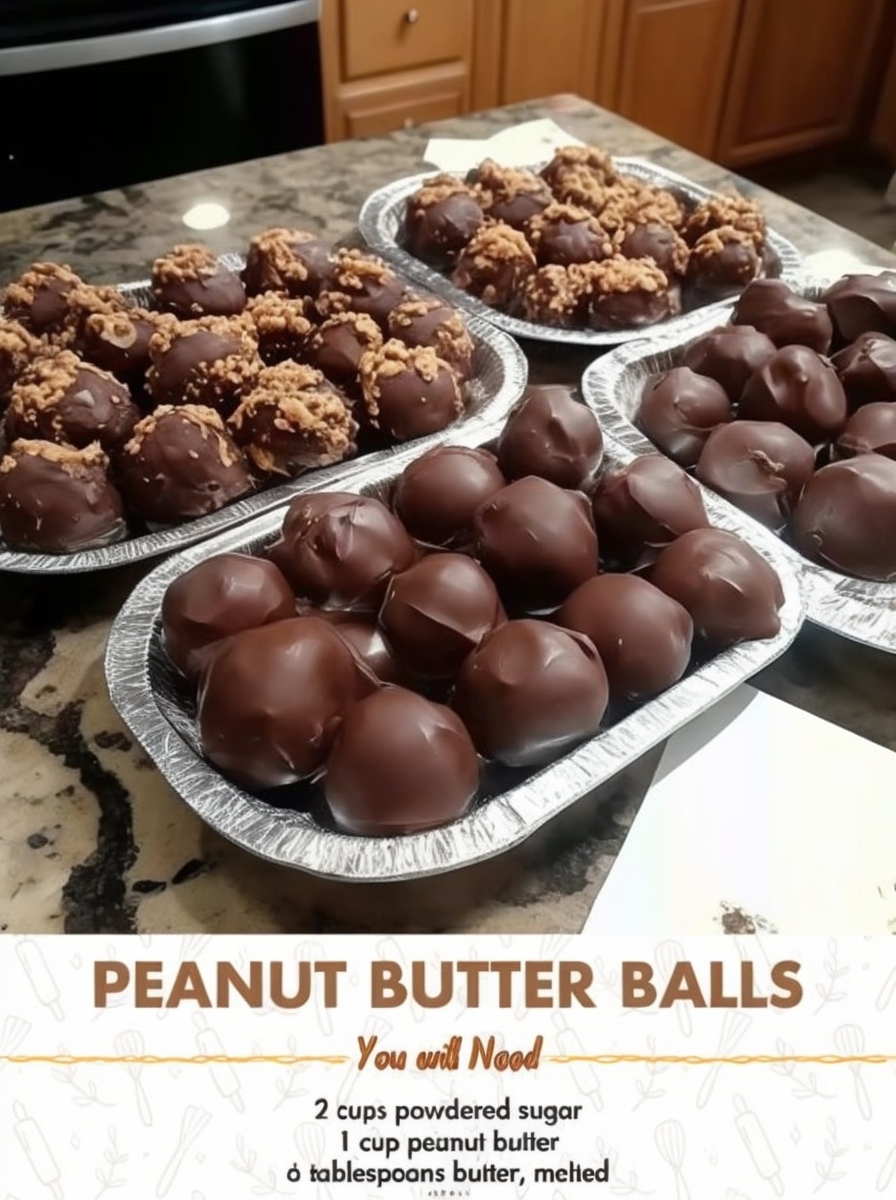
Scoop and roll the dough into one-inch balls, placing each on the prepared sheet. I then pop the whole tray into the refrigerator for at least 30 minutes to set firm—this is critical before dipping! While they chill, I melt my dipping chocolate with a tiny bit of shortening or coconut oil to help it thin slightly for a smooth coat. I take a few chilled balls out at a time, dip them halfway or fully into the chocolate, let the excess drip off, and return them to the parchment. If I want the classic “Buckeye” look, I leave a small circle of peanut butter showing on top. A toothpick is great for this.
Pro Tips for Best Results
Let your melted butter cool for about 5 minutes before adding it to the peanut butter and vanilla. I’ve added it piping hot before, and it made the mixture too warm and greasy. A warm, not hot, butter integrates perfectly. Also, chilling the shaped balls before dipping is not a suggestion—it’s a rule. I tried dipping a room-temperature ball once, and it started to melt and fall apart in the warm chocolate. The cold center ensures a clean dip and a perfect layered bite.
When melting chocolate for dipping, go low and slow. I microwave in 20-second bursts, stirring vigorously between each, until just smooth. Adding that half-teaspoon of coconut oil or shortening is a game-changer; it makes the chocolate more fluid for a thinner, prettier shell. For the cleanest look when using a toothpick to dip, I use a second toothpick to gently push the ball off onto the parchment, then swirl a little chocolate over the tiny hole.
The kneading stage is where the magic happens for the filling’s texture. You’re not just mixing; you’re working the ingredients until they are fully combined. I press and fold the dough in the bowl for a good 2-3 minutes. When it’s ready, it should be smooth, not oily, and hold its shape without cracks. This hands-on feel is something you learn by doing, and you’ll know it when you feel it.
(See the next page below to continue…)