Pro Tips for Best Results
Room temperature is your mantra. I take my cream cheese, eggs, and sour cream out at least 2 hours before I start. Cold cream cheese will never become smooth, no matter how long you beat it, and it leads to a lumpy batter. I tested this once in a hurry, and the texture was just off. The extra time is non-negotiable for that satiny finish.
The water bath is intimidating, but it’s everything. To avoid water seepage, I use the double-foil wrap and also place my springform pan on a round of parchment inside the foil. The real pro move? Don’t try to move a pan full of water. Set the roasting pan on the oven rack first, place the springform inside, then pour the hot water in. It saves your back and prevents sloshing disasters.
Don’t rush the cooling process. I know it’s tempting to dig in, but this cheesecake needs to set its structure. The hour in the cracked oven, then on the counter until completely room temperature, and finally at least 4 hours (ideally overnight) in the fridge is the holy trinity of patience. I made the mistake of chilling for only two hours once, and while tasty, it sliced like a dreamscape instead of clean, beautiful slices.
Common Mistakes to Avoid
The biggest mistake I made the first time was over-baking. You don’t want a firm center; you want that slight jiggle in a small, central circle when you gently shake the pan. It will continue to set as it cools. If you bake until the center is firm, it will be dry and likely crack. I pulled my first attempt too late, and while still delicious, it lacked that sublime, melt-in-your-mouth creaminess.
Another critical error is not wrapping the springform pan securely for the water bath. A single layer of flimsy foil is a gamble with soggy crust. I’ve been there, and the disappointment of a leak is real. Use heavy-duty foil and double-wrap it, folding it snugly up the sides. Also, avoid opening the oven door during the first 45 minutes of baking. The rush of cold air can cause the surface to contract and crack prematurely. Trust the process and just watch through the window.
Serving Suggestions
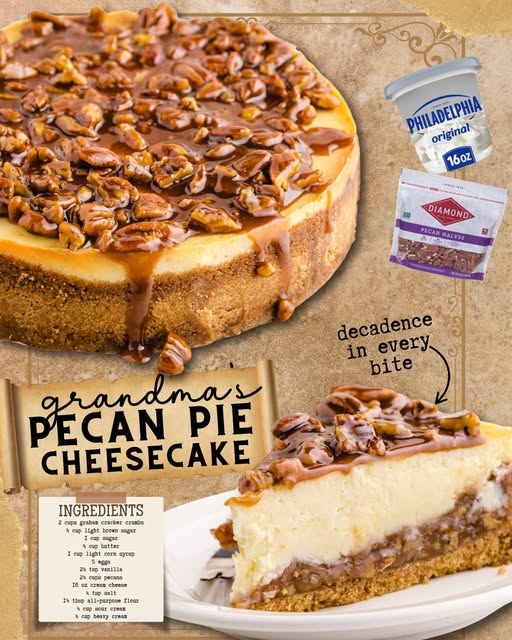
I like serving this masterpiece straight from the fridge, chilled and firm. A thin, sharp knife run under hot water and wiped clean between each slice is the only way to get those pristine, photogenic pieces that show off every beautiful layer. I often don’t even add a dollop of whipped cream—the topping is rich enough—but a tiny sprinkle of flaky sea salt on each plate cuts the sweetness beautifully.
For a full experience, I’ll pair a slice with a cup of strong, black coffee or a glass of bourbon. The bitterness and warmth are the perfect counterpoint to the dessert’s decadence. It’s so rich that small slices are satisfying, so one cake can generously serve a crowd of 12-16 people, making it perfect for holidays. I always get requests for the recipe before people even leave the table.
Variations & Customizations
If you want to play, this recipe is wonderfully adaptable. I’ve added a tablespoon of bourbon to the pecan pie filling (replacing an equal amount of corn syrup) for a wonderful depth of flavor—it’s a hit with the adults. For a chocolate twist, you can mix a half-cup of mini chocolate chips into the graham crust or even swirl some melted chocolate into the cheesecake batter before pouring.
I’ve also seen friends make a fantastic maple version by replacing the corn syrup in the pecan layer with pure maple syrup; just know the set will be slightly softer and the flavor more pronounced. For a fun textural contrast, some chopped toasted pecans can be folded into the cheesecake batter itself. It’s a forgiving canvas for your favorite flavors.
How to Store, Freeze & Reheat
To store, I keep the cheesecake covered tightly with plastic wrap or in a cake carrier in the refrigerator. It’s at its absolute peak texture and flavor within the first 3-4 days. The flavors meld and become even more harmonious. After that, it’s still perfectly safe to eat for up to 5 days, though the crust may start to soften a bit more.
For freezing, I do not recommend freezing the whole assembled cake with the pecan topping, as it can become soggy. Instead, freeze the plain baked and cooled cheesecake (without the stovetop topping) tightly wrapped in several layers of plastic and foil for up to 2 months. Thaw overnight in the fridge. Then, make a fresh batch of the pecan topping (it comes together in minutes) and add it just before serving. This method preserves the perfect texture and crunch.
FAQ Section
Can I make this recipe without a springform pan?
I really don’t recommend it. The delicate layers and need for a water bath make the removable sides of a springform essential for clean removal. A regular cake pan would make it impossible to get out in one piece. If you’re in a pinch, a deep-dish pie plate might work, but you’d need to skip the water bath and bake very carefully, which risks texture issues.
My topping seems too runny after I spoon it on. Did I do something wrong?
Not at all! This happened to me the first time, and I panicked. The topping will seem loose when you first apply it to the hot cheesecake. As the whole dessert chills and sets for those several hours in the fridge, the topping firms up into the most incredible, gooey-candy-like layer. Just trust the cooling process.
Why did my cheesecake crack?
Cracks usually come from temperature shock (over-mixing, over-baking, or cooling too quickly) or from the cheesecake sticking to the sides as it cools and shrinks. Using a water bath and the slow cooling method outlined above are your best defenses. But hey, if it cracks? You’re covering it with a gorgeous pecan topping anyway, so no one will ever know!
Conclusion
Baking this Pecan Pie Cheesecake feels like giving a gift, both to the people you share it with and to yourself. It’s a project of love, patience, and a little bit of kitchen daring. The moment you slice into that cool, firm surface and reveal the intricate layers beneath, revealing the story of your effort, is pure triumph. I hope this recipe finds its way into your kitchen and becomes a cherished tradition, just as it has in mine. Now, go preheat that oven—your new favorite dessert is waiting.