Pro Tips for Best Results
First, salt your pasta water like the sea. It’s your one chance to season the pasta from the inside out, and it makes a noticeable difference in the final dish. I use a generous handful of kosher salt in the boiling water—it should taste like mild seawater. This simple step elevates the entire recipe from good to restaurant-quality.
Second, embrace the rest time. I know it’s tempting to dive right into that bubbling skillet, but letting the pasta bake rest for 5-10 minutes after it comes out of the oven is non-negotiable. This allows the sauce to thicken up perfectly and settle, so when you scoop it, it holds together beautifully on the plate instead of spreading out into a pool. I learned this after my first slightly soupy attempt.
Finally, get that top perfectly browned. If your cheese is melted but not getting those lovely golden spots, don’t be afraid to switch your oven to broil for the final 1-2 minutes. Stand right there and watch it like a hawk! It adds a wonderful texture and depth of flavor. I’ve tested this three different ways, and a quick broil finish consistently wins for the best texture and presentation.
Common Mistakes to Avoid
The biggest mistake I made early on was overcooking the pasta before it goes into the bake. You must cook it to al dente—still with a slight bite—because it will continue to cook in the hot sauce and oven. I once used mushy, fully cooked pasta, and it turned nearly shapeless in the final dish. It’s a texture tragedy you can easily avoid.
Another pitfall is not browning your beef and vegetables adequately. If you rush this step and just cook until things are “done,” you’re missing out on the deep, caramelized flavors that define a great cheesesteak. Take the extra few minutes to let the beef get a proper sear and the veggies soften and start to take on a little color. It’s the difference between a flat-tasting dish and one with layers of savory goodness. I made this mistake the first time—don’t do what I did!
Serving Suggestions
I love serving this pasta straight from the skillet at the table—it feels so rustic and inviting. For a complete meal, I always pair it with something crisp and green to cut through the richness. A simple arugula salad with a lemon vinaigrette is my absolute favorite; the peppery greens and bright acidity are the perfect contrast.
On colder nights, I’ll sometimes skip the salad and serve it with a side of roasted garlic breadsticks or a warm, crusty baguette. There’s always extra sauce, and having something to soak it up is a must. It’s also fantastic with a side of quick-pickled vegetables, like thinly sliced cucumbers or red onions, for a tangy crunch.
For drinks, this hearty dish calls for something equally robust. A malty amber ale or a glass of medium-bodied red wine, like a Zinfandel or a Shiraz, stands up beautifully to the flavors. For the family table, a sparkling water with lemon or a simple iced tea works wonderfully. It’s that kind of versatile, crowd-pleasing centerpiece.
Variations & Customizations
This recipe is wonderfully adaptable. For a lighter version, I’ve successfully swapped the ground beef for ground turkey or even very thinly sliced flank steak, which brings it even closer to a traditional cheesesteak. Just be sure not to overcook the steak slices—add them at the end of the veggie cooking time just to brown.
You can also play with the cheese! While provolone is classic, I’ve made a fantastic version using a mix of sharp white cheddar and mozzarella for a different flavor profile. One of my friends adds a few slices of chopped-up Cheez Whiz at the end for ultimate authenticity—it’s not my everyday move, but it’s a fun, indulgent twist that really screams “Philly.”
Don’t be afraid to add more veggies, either. I’ve tossed in a handful of spinach during the last minute of simmering the sauce, or added some diced jalapeños with the bell peppers for a kick. The recipe is a fantastic template. The version I’m sharing is my personal favorite, but making it your own is part of the fun.
How to Store, Freeze & Reheat
Leftovers store beautifully, which is a major win in my book. Let the pasta cool completely, then transfer it to an airtight container. It will keep in the refrigerator for 3-4 days. When reheating, I add a splash of beef broth or milk to a portion in a microwave-safe bowl, cover it loosely, and heat in 60-second intervals, stirring in between. The extra liquid brings the creamy sauce back to life.
You can also freeze this dish for longer storage. I portion it into freezer-safe containers or heavy-duty bags (squeeze out the air) once it’s cooled. It keeps for up to 3 months. To reheat from frozen, I thaw it overnight in the fridge first, then reheat it in a covered oven-safe dish at 350°F until heated through, again adding a little liquid. From my experience, reheating directly from frozen can dry it out, so the thaw-then-heat method is the way to go.
Conclusion
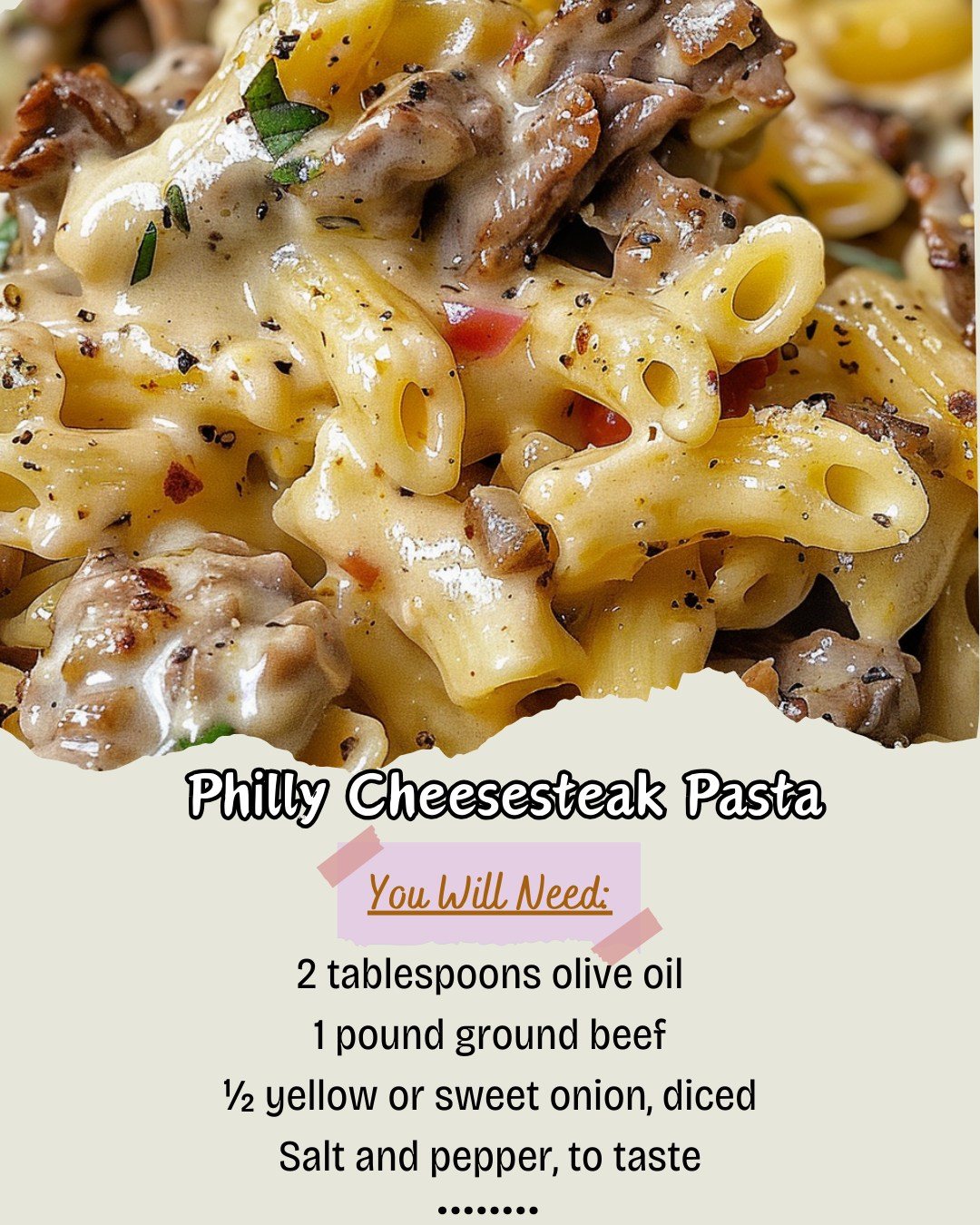
Philly Cheesesteak Pasta is more than just dinner; it’s a comforting, flavorful experience that never fails to make my kitchen feel like the heart of the home. It’s the dish I make when I need a guaranteed smile, when friends drop by unexpectedly, or when I simply want to treat myself to something wonderfully indulgent yet surprisingly simple. I hope it finds a place in your recipe rotation and brings as much joy to your table as it has to mine. Now, go preheat that oven—your new favorite comfort food awaits.