Pro Tips for Best Results
I tested this recipe three different ways, and slicing the steak thinly is non-negotiable. Thick slices just don’t give you that melt-in-your-mouth texture, no matter how good the seasoning is. If slicing feels difficult, partially freezing the meat for 20 minutes makes a world of difference.
Here’s what I learned the hard way: high heat matters, but patience matters more. When I rushed the onions, they stayed sharp instead of sweet. Letting them cook slowly at first creates that deep flavor that makes the sandwich unforgettable.
Don’t skip resting the meat mixture for a minute before assembling if it looks too juicy. I noticed that letting it settle helps the juices redistribute, keeping the sandwich flavorful without making the bread soggy.
Common Mistakes to Avoid
I made the mistake of using the wrong bread the first time, and it completely changed the experience. Soft sandwich bread falls apart and doesn’t hold up to the filling, so stick with sturdy hoagie rolls if you can.
Another mistake I learned from was adding too much seasoning early on. Because the beef cooks quickly, over-seasoning can overpower the natural meat flavor. It’s better to season lightly and adjust at the end, something I now do every single time.
Serving Suggestions
When I serve this sandwich, I usually pair it with crispy fries or oven-roasted potatoes, which soak up any extra juices beautifully. There’s something comforting about having a hot sandwich with a crunchy side.
I also like serving it with a simple coleslaw or a light green salad to balance the richness. From my experience, that fresh crunch makes the meal feel complete without taking away from the star of the plate.
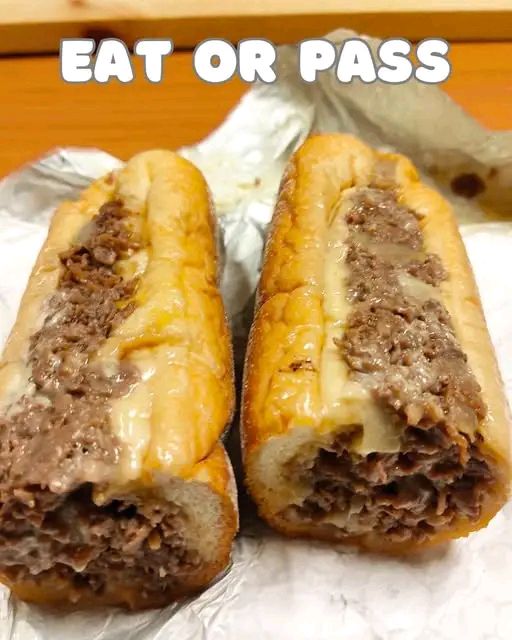
For casual gatherings, I cut the sandwiches in half and serve them on a big platter. Watching people grab one and immediately smile after the first bite never gets old for me.
Variations & Customizations
Sometimes I add sautéed mushrooms when I’m in the mood for extra umami, and honestly, it’s a game changer. I’ve also tried swapping green peppers for red ones, which adds a subtle sweetness I really enjoy.
When I want a spicier version, I add sliced jalapeños or a drizzle of hot sauce. I was hesitant the first time, but now it’s one of my favorite twists on the classic.
I’ve even made a chicken version using thinly sliced chicken breast, and while it’s different, it’s still delicious. The same technique applies, and the melted cheese still brings everything together beautifully.
How to Store, Freeze & Reheat
From my experience, leftover Philly cheesesteak filling stores well in an airtight container in the fridge for up to three days. I always store the filling separately from the bread to keep everything fresh.
For reheating, I avoid the microwave because it makes the meat rubbery. Instead, I reheat the filling gently in a skillet with a splash of water, then assemble it on freshly toasted rolls. Freezing works too, but only for the filling, and I thaw it overnight before reheating.
Conclusion
Making a Philly cheesesteak sandwich at home has become one of those recipes I return to when I want comfort and confidence in the kitchen. Every time I make it, I’m reminded that simple ingredients, treated with care, can create something truly special. If you try this recipe, take your time, trust the process, and enjoy every bite—you deserve it.