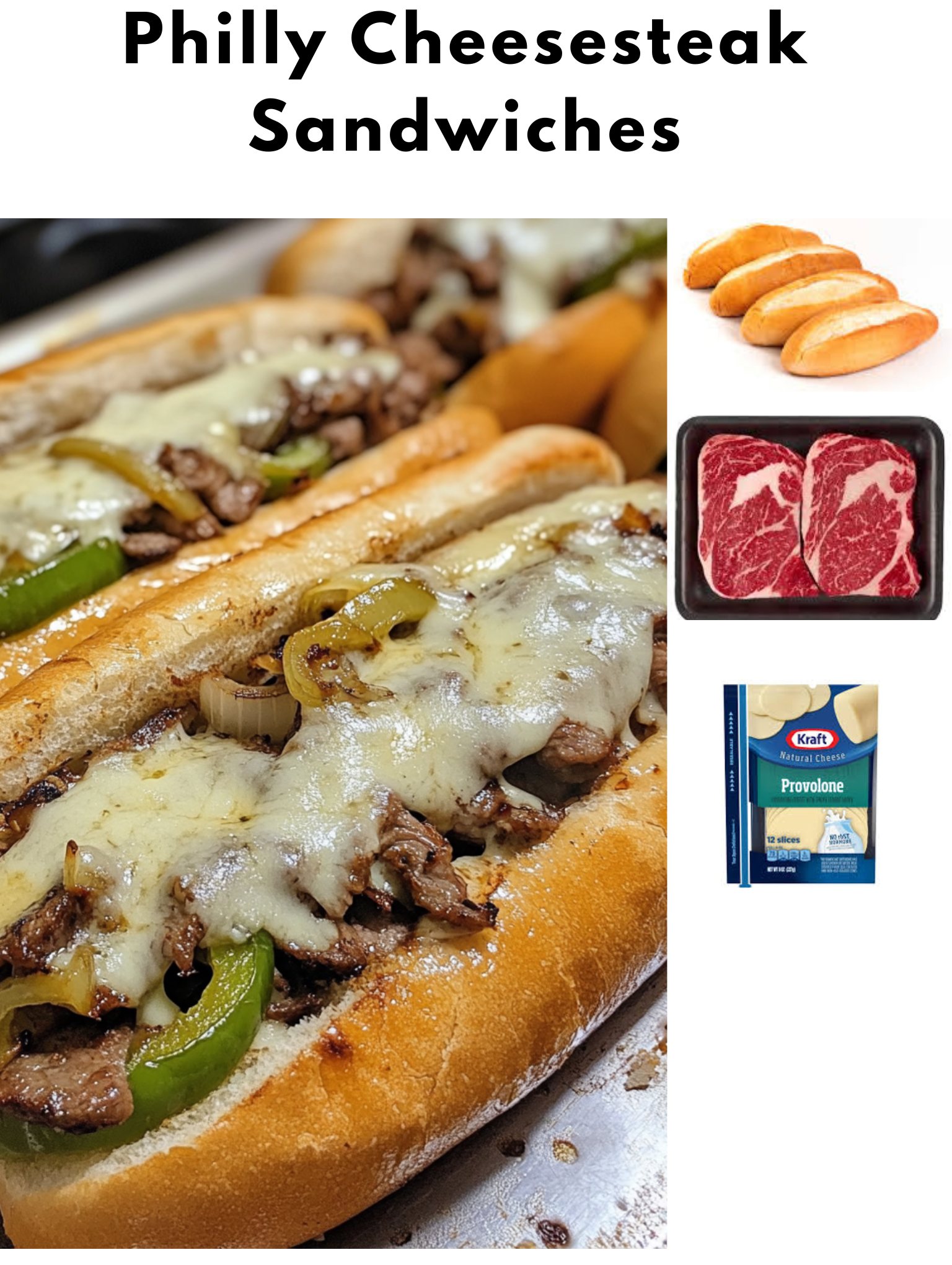
On game day or for a crowd, I turn this into a build-your-own bar. I’ll keep the meat, cheese, and veggies warm in separate slow cookers or chafing dishes, with a basket of warmed rolls. I set out small bowls of different cheeses (provolone, American, Cheez Whiz), sautéed mushrooms, hot cherry peppers, and various sauces. It’s interactive, fun, and lets everyone create their own perfect version.
Variations & Customizations
One of my favorite spins is the “Pizza Steak.” After the meat is cooked, I top it with a layer of sliced mozzarella, a few spoonfuls of warm marinara sauce, and a sprinkle of dried oregano before covering to melt. It’s like a meaty, open-faced pizza sub and is always a huge hit with my family. Just be sure your sauce isn’t too watery, or it will make the roll soggy.
For a spicy kick, I’ve made a version with chipotle mayo and pepper jack cheese. I’ll sauté a jalapeño with the onions and peppers, and use a spicy coarse-ground mustard on the roll. It transforms the sandwich into something with a real slow-building heat that complements the beef wonderfully. It’s not traditional, but it’s a delicious experiment for those who love bold flavors.
I’ve also seen (and tried) a fantastic chicken cheesesteak version for a lighter option. I use thinly sliced chicken breast or thigh, seasoned with smoked paprika and onion powder. I follow the same method, and it turns out incredibly juicy and flavorful, especially with a sharp white cheddar or pepper jack cheese. It’s proof that the technique is what makes the magic, not just the meat.
How to Store, Freeze & Reheat
To store leftovers, I wrap each assembled sandwich tightly in plastic wrap and then foil, and they’ll keep in the fridge for up to 2 days. The key is to prevent air exposure, which dries out the meat and makes the roll hard. I do not recommend storing the components separately once assembled—the sandwich is best preserved as a complete unit.
For freezing, I only freeze the cooked, cooled meat and veggie mixture (without cheese). I pack it in a freezer bag, press out all the air, and it keeps for up to 2 months. The cheese and rolls don’t freeze and reheat well from an assembled state. When I’m ready, I thaw the meat mixture overnight in the fridge.
Reheating is an art. For a refrigerated, pre-assembled sandwich, I unwrap it, wrap it loosely in a new piece of foil, and warm it in a 350°F oven for 15-20 minutes. This revives the roll and melts the cheese again. For the frozen meat mixture, I reheat it gently in a skillet over medium-low heat with a tiny splash of water or broth to keep it moist, then proceed with the cheese and fresh roll. The microwave is a last resort—it makes the roll rubbery and the meat chewy.
Nutrition Information
Let’s be real—this is a celebratory, indulgent sandwich, and I view it as such. A typical serving packs a hearty dose of protein from the ribeye, which is also a good source of iron and B vitamins. The vegetables add fiber and vitamins, and the cheese provides calcium. It’s a filling, energy-dense meal.
That said, it’s also rich in saturated fat and sodium, which is part of what makes it so deliciously satisfying. I don’t eat this every day, and I don’t recommend you do either. But when I do, I savor every single bite without guilt. It’s comfort food in its purest form.
If you’re looking for ways to lighten it up slightly, you can use a leaner cut like top sirloin (though be extra careful not to overcook it), use less cheese or a lower-fat variety, and load up on the onions and peppers. You can also serve it as a “bowl” over a salad to skip the roll. But in my opinion, for the true experience, it’s worth enjoying in its full, glorious form.
FAQ Section
Can I use a different cut of beef?
You can, but with caution. Ribeye is ideal for its fat content. If you must substitute, look for other well-marbled, tender cuts like skirt or flank steak. Slice them against the grain as thinly as possible. I’ve tried chuck steak, and it was too tough, no matter how thin I got it. The fat is your friend here.
What’s the best cheese for an authentic Philly?
This is a hot debate! In Philadelphia, you’ll find Cheez Whiz, provolone, and American. In my kitchen, I swear by provolone for its excellent melting quality and sharp, tangy flavor. American cheese melts into a super creamy, uniform layer. Cheez Whiz is the classic “tourist” choice and is undeniably fun and salty. Try them all and pick your favorite.
Can I make this ahead of time?
You can prep the components ahead. Slice the meat and veggies, store them separately in the fridge, and cook just before serving. I don’t recommend fully assembling more than an hour in advance, as the roll will get soggy. The actual cooking process is so fast that fresh is always best.
Why do I need two spatulas?
It’s the traditional method used on the Philly griddles to continuously chop and mix the thin slices of steak as they cook, ensuring even cooking and perfect integration with the cheese. Using one spatula and a spoon works, but two spatulas give you more control and feel more authentic. It’s also kind of fun!
My steak got tough. What happened?
This almost always means it was either the wrong cut (too lean) or it was overcooked. Thinly sliced ribeye cooks in just 3-4 minutes over high heat. If you cook it too long, or in a pan that wasn’t hot enough (causing it to steam), it will become chewy. High heat and quick cooking are essential.
Conclusion
Making the perfect Philly Cheesesteak at home has been one of my most rewarding kitchen adventures. It’s a recipe that feels like a project but comes together with surprising ease, and the result is nothing short of spectacular. I hope my tips, learned through trial and (mostly tasty) error, help you create a sandwich that brings a smile to your face and maybe even a little piece of Philadelphia to your kitchen. Now, go grab that ribeye, fire up the skillet, and get ready for a truly magnificent meal. Enjoy every messy, cheesy, glorious bite