Step-by-Step Instructions
First, I get my sausage slices sizzling in the skillet over medium-high heat. There’s no need for extra oil here; the sausage will render its own delicious fat. My goal is to get a nice, golden-brown sear on most sides, which takes about 5-7 minutes. This isn’t just about cooking the sausage through; that browning creates incredible flavor layers. I learned the hard way that crowding the pan steams them instead of searing them, so I work in batches if my pan is on the smaller side.
Once the sausage is beautifully browned, I lower the heat to medium and pour off most of the rendered fat, leaving just a tablespoon or so for flavor. Then, in goes the pineapple! I let the chunks warm through and get a slight caramelization for a minute. Meanwhile, in a small bowl, I vigorously whisk together the brown sugar, water, soy sauce, apple cider vinegar, Dijon mustard, and garlic powder. The smell when you mix this is already promising—salty, sweet, and tangy all at once.
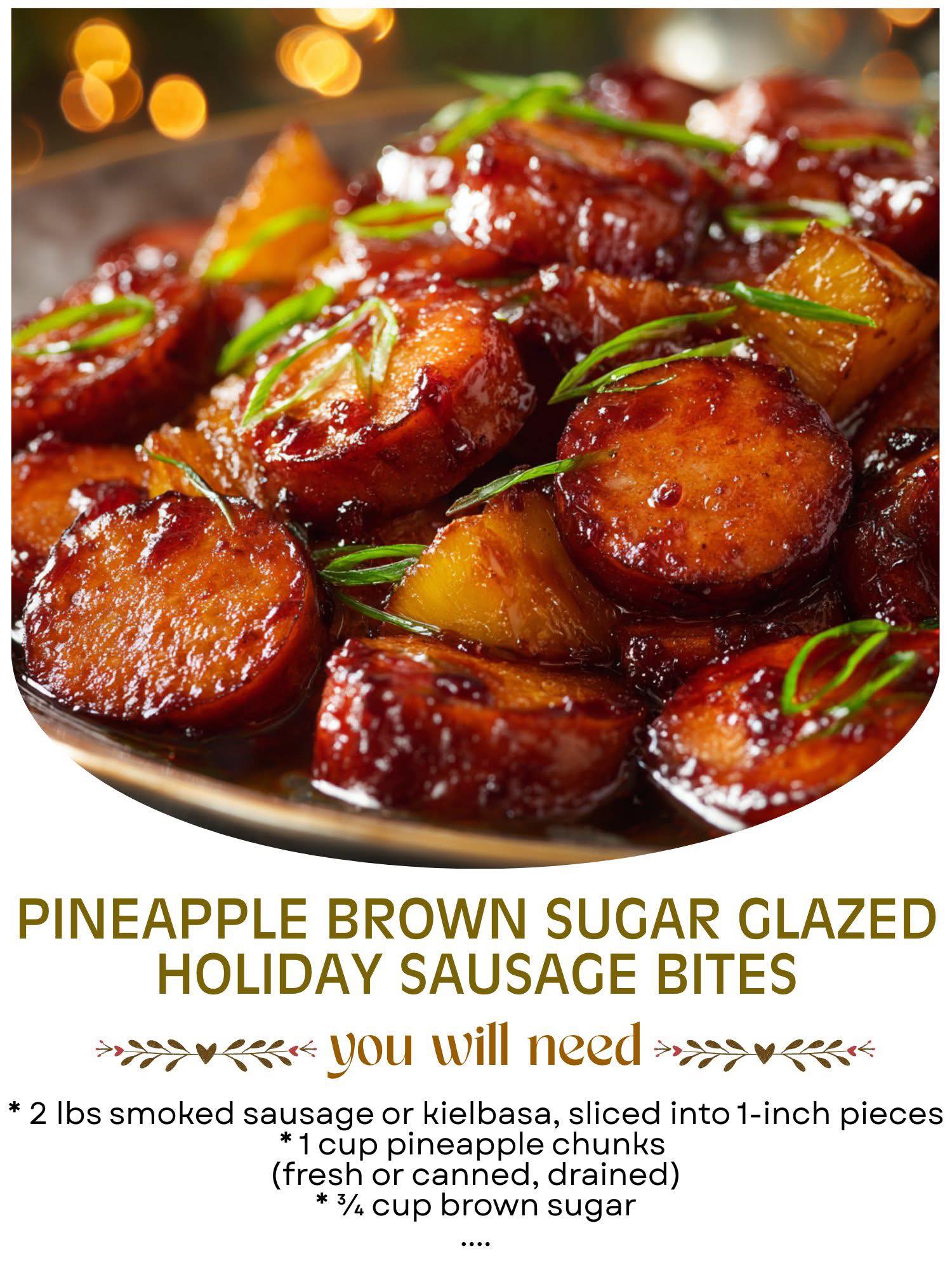
Here comes the transformative part: I pour that glossy sauce over the sausage and pineapple. The second it hits the hot pan, it starts to bubble and melt. I give everything a gentle but thorough stir to coat, then let it simmer, stirring occasionally. This is where patience is key. I let it bubble away for about 10-15 minutes until the sauce thickens from a thin soup into a luxurious, sticky glaze that coats each piece lovingly. When I drag my spoon through the pan and the glaze slowly fills the path, it’s ready.
Pro Tips for Best Results
Let’s talk about the glaze texture, because this is where I’ve done the most experimentation. The sauce will look alarmingly thin and watery for the first several minutes. Do not be tempted to crank up the heat to speed things up! I did that once and ended up with hard, crystallized sugar instead of a smooth glaze. A steady, active simmer is your friend. It gives the water time to evaporate and the sugar time to thicken into that perfect, glassy coating.
Another game-changer I discovered is related to the pineapple. If you’re using canned pineapple, you must drain it very, very well. I even pat the chunks dry with a paper towel. Any extra juice will water down your sauce, delaying the glazing process and potentially making it too sweet. When I’m using fresh pineapple, I make sure the chunks are dry to the touch. This small step ensures you get that ideal sticky consistency faster.
Finally, think about your serving vessel. I always transfer the finished bites to a serving platter, but I don’t just dump them. I use a slotted spoon to pile them high, then I scrape every last bit of that incredible glaze from the pan and drizzle it over the top. This ensures every single bite is generously coated. I’ll sometimes give the platter one final, gentle toss with my spoon to make it look irresistible.
Common Mistakes to Avoid
The most common mistake I see (and have made myself!) is slicing the sausage too thin. One-inch pieces are ideal. When I tried half-inch coins, they curled up and overcooked in the time it took the glaze to reduce, becoming a bit tough. The one-inch size gives you a perfect meaty bite that can stand up to the simmering process. Also, resist the urge to stir constantly once the sauce is simmering. Let it do its thing for a minute or two between stirs to encourage even thickening.
(See the next page below to continue…)