Pro Tips for Best Results
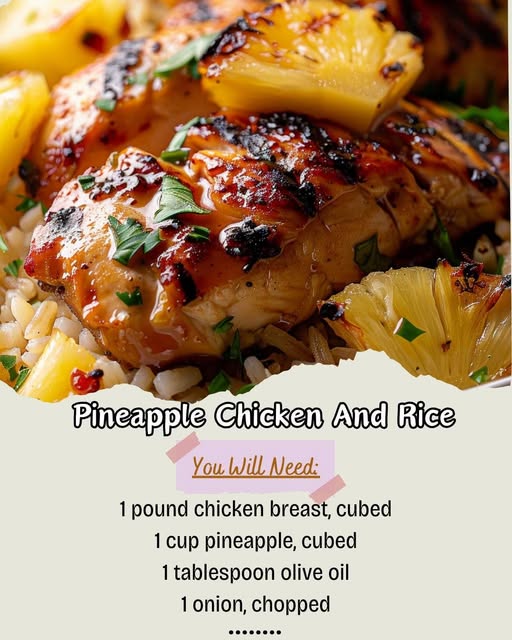
The single biggest game-changer for me was learning to be patient with the chicken sear. That golden-brown color isn’t just for looks; it’s packed with flavor (chefs call it the Maillard reaction, and it’s a real thing). If you crowd the pan, the chicken will steam and turn gray. I’d rather sear it in two batches than lose that flavor. It’s worth the extra minute and one more dish to wash.
I tested the liquid ratio for the rice three different times. The first time, I used the standard 2:1 water-to-rice ratio, and it was a mushy disaster because of all the juices from the chicken and veggies. The amount listed here, 1 ¾ cups broth to 1 cup rice, is perfect for this one-pan method where extra moisture is released. Trust me on this measurement; it makes all the difference.
For the pineapple, I look for one that’s ripe and fragrant. A trick I learned is to tug gently on one of the inner leaves at the crown; if it comes out easily, the pineapple is ready. When you cube it, make sure your pieces are about the same size as your chicken. This ensures every bite has a little bit of everything. If your pineapple is very juicy, you might even reserve a tablespoon of the fresh juice to stir into the sauce for an extra tropical punch.
Common Mistakes to Avoid
The first time I made a dish like this, I made the classic mistake of adding uncooked rice straight to the liquid without toasting it first. I ended up with a gummy, bland pot of rice. Toasting the rice for that minute in the pan before adding the liquid is a non-negotiable step. It gives each grain a protective coating and a slightly nutty flavor that prevents clumping. Don’t skip it!
Another pitfall is constant peeking. Once that lid goes on for the 18-minute simmer, you have to walk away. Every time you lift the lid, you let out precious steam and drop the temperature, which can lead to undercooked rice. Set a timer, distract yourself with washing the prep bowls, and trust the process. The 10-minute rest at the end is also crucial—it allows the rice to finish steaming gently and firm up, so you get perfect, separate grains instead of a sticky mess.
Serving Suggestions
I love serving this directly from the skillet at the table for a rustic, family-style feel. A generous sprinkle of sliced green onions and a handful of fresh cilantro leaves right before serving adds a pop of color and a burst of freshness that cuts through the richness perfectly. Sometimes, if I have a lime wedge hanging around, I’ll give it a squeeze over my own bowl for an extra zing.
For sides, this is a complete meal in itself, but I often pair it with something simple and green to round out the plate. A quick cucumber salad with a little rice vinegar and sesame oil, or some steamed broccoli or snap peas, complements the sweet and savory flavors beautifully without competing for attention.
If I’m serving it for a casual dinner party, I’ll set out small bowls of optional toppings so everyone can customize their plate. Toasted sesame seeds, a drizzle of sriracha or chili crisp for heat, and extra soy sauce on the side are always a hit. It makes the meal feel interactive and special.
Variations & Customizations
This recipe is wonderfully adaptable. If you prefer dark meat, chicken thighs are fantastic here—just increase the initial searing time by a minute or two since they have more fat. For a vegetarian twist, I’ve used firm tofu (pressed and cubed) or chickpeas. You’ll want to brown the tofu similarly to the chicken for texture.
You can easily play with the vegetables based on what’s in your fridge. I’ve added sliced carrots with the onions, or thrown in a handful of frozen peas or edamame right at the end of the resting time so they heat through. Baby corn or water chestnuts would also add a great crunch.
The flavor profile is very versatile, too. For a Thai-inspired version, I’ve swapped the soy sauce for coconut aminos and used a full-fat coconut milk instead of half the broth, adding a spoonful of red curry paste with the garlic. For a more classic sweet and sour vibe, a tablespoon of ketchup mixed into the sauce does the trick. Don’t be afraid to make it your own!
How to Store, Freeze & Reheat
In my experience, this dish stores beautifully for up to 4 days in a sealed container in the refrigerator. The flavors actually meld and deepen overnight, making the leftovers something to look forward to. When reheating, I add a tiny splash of water or broth to the portion in a microwave-safe bowl, cover it loosely, and heat in 30-second intervals, fluffing with a fork in between. This gently re-steams the rice without drying it out.
You can also freeze it for up to 3 months. I let it cool completely, then portion it into freezer-safe bags, press out all the air, and lay them flat to freeze. To reheat from frozen, I either thaw it overnight in the fridge and use the microwave method, or I add the frozen block to a skillet with a couple tablespoons of broth or water, cover it, and heat it over low heat, breaking it up and stirring occasionally until hot all the way through. The pineapple will be softer after freezing, but the taste is still wonderful.
Conclusion
This Pineapple Chicken and Rice has earned a permanent spot in my dinner rotation. It’s the perfect blend of easy, comforting, and just a little bit exciting. I hope it brings as much joy to your kitchen table as it has to mine. Give it a try, make it your own, and don’t forget to let me know how it turns out. Happy cooking