Next, I gently mix my dry ingredients in a separate bowl: baking soda, baking powder, salt, cinnamon, and whole wheat flour. It’s essential to combine these separately to ensure an even distribution in the bread. Once it’s all mixed, I fold the dry ingredients into the wet mixture, being careful not to overmix—this will keep my bread light and fluffy. If I’m feeling a bit indulgent, I often toss in some chopped nuts or dark chocolate chips at this stage, which add a delightful crunch or richness to each bite.
Now comes the fun part—pouring the batter into the prepared loaf pan! I give it a gentle shake to level it out and to help distribute the batter evenly. Then, I place it in the preheated oven and let it bake for about 50-60 minutes, or until a toothpick inserted into the center comes out clean. As it bakes, my kitchen fills with the warm and inviting scent of banana bread, making it nearly impossible to resist.
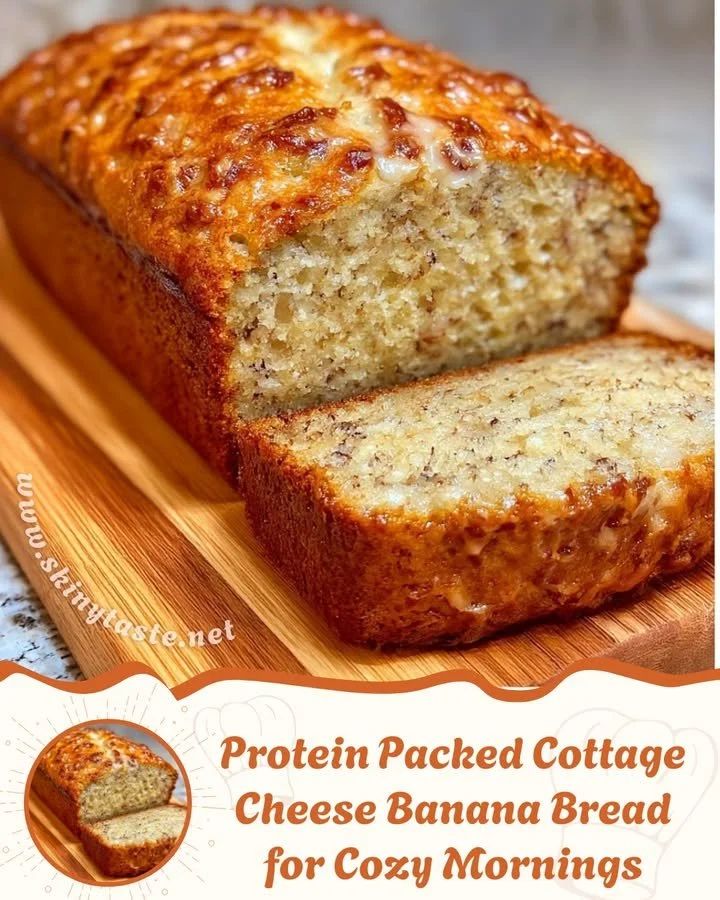
Once it’s done, I let it cool in the pan for about ten minutes before transferring it to a wire rack. Cooling it on the rack helps prevent sogginess, ensuring that lovely crust I adore. I love cutting into it after it cools just a bit—it’s always such a treat to see how beautifully it rises and golden-brown it gets!
Pro Tips for Best Results
If there’s one thing I learned while perfecting this recipe, it’s to use overripe bananas—they’re sweeter and more flavorful! In fact, I often leave my bananas to sit on the counter until they’re plenty spotted and soft. The flavor they impart into the bread is simply unmatched.
I also tested a couple of variations with sugar substitutes and found that maple syrup really elevates the flavor while keeping the bread moist. If you prefer to reduce sugar altogether, you can decrease the amount of syrup slightly; however, don’t eliminate it entirely, as sweetness plays an important role in the overall taste.
Lastly, don’t skip the cinnamon! Just a hint adds a lovely warmth that complements the bananas perfectly. Trust me—I tried it without it once, and while it was still good, it definitely lacked that cozy note we’re all after.
Common Mistakes to Avoid
One common mistake I made when I first started baking was not measuring my ingredients properly, especially when it came to the flour. I realized that scooping flour directly from the bag could lead to packing it down, resulting in a heavy loaf. That’s why I always use the spoon-and-level method now—spooning the flour into the measuring cup and leveling it off for accuracy, ensuring a light, airy bread. (See the next page below to continue…)