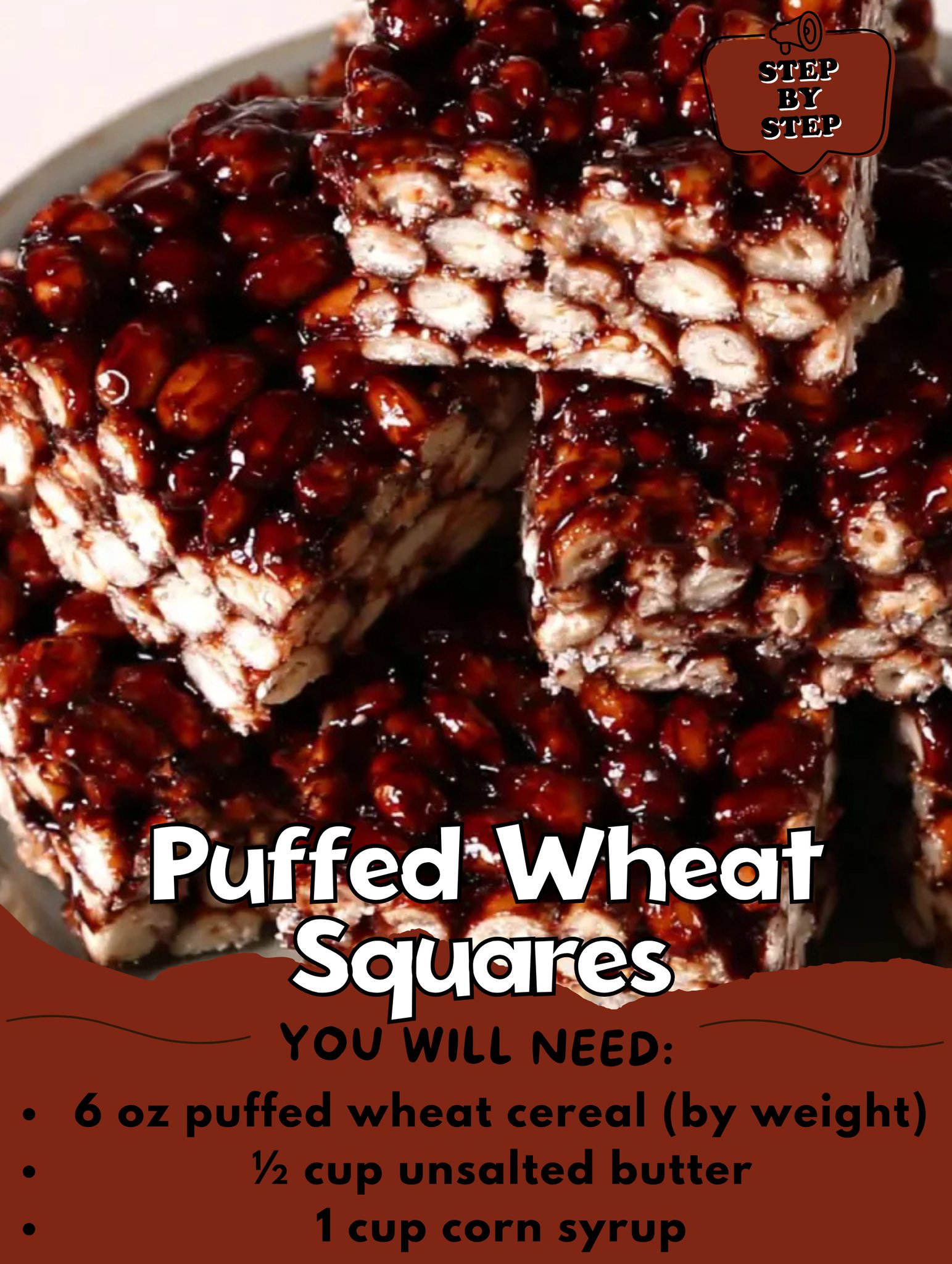
Finally, I scrape the mixture into my prepared pan. Here, I use the back of my spatula, which I’ve lightly greased, to press the mixture firmly and evenly into every corner. I press hard! This compaction is what gives the squares their dense, chewy texture instead of a crumbly one. I then let the pan sit at room temperature for at least two hours, or until it’s completely firm to the touch. The waiting is the hardest part—I used to poke it every 30 minutes, but I’ve learned that just delays the setting process. Once set, I use the parchment paper sling to lift the whole block onto a cutting board and slice it into squares with a sharp knife.
Pro Tips for Best Results
Weigh your cereal. I know I’ve said it before, but it’s the single most impactful tip I can give. Volume measurements for puffed wheat are wildly inconsistent because the pieces can settle or be more inflated. A kitchen scale is inexpensive and will guarantee your bars have the perfect chewy-to-crunchy ratio every single time. I learned this after one batch was too dry and another was too gooey—the scale eliminated all guesswork.
Control your boil. That one-minute timer is sacred in my kitchen. I’ve tested this three different ways: a 30-second boil gave me bars that never fully set and stuck to our teeth, a 90-second boil made them hard and almost candy-like. The one-minute mark is the sweet spot (literally) where the sugar reaches the soft-ball stage, perfect for a firm yet chewy bite. Use a timer and watch the pot—don’t get distracted answering a text!
Press, press, press! When you transfer the mixture to the pan, don’t just dump it in and spread it. Use serious, firm pressure with a greased spatula or even the bottom of a greased measuring cup to compact it as much as possible. I press from the center outward to eliminate air pockets. The first time I made these, I was too gentle, and my squares fell apart when picked up. A good, firm press is the secret to bars that hold together beautifully.
Common Mistakes to Avoid
Don’t substitute the corn syrup. I made this mistake once, thinking honey or maple syrup would be a “healthier” swap. While they taste good, they have different chemical properties and moisture levels. My honey version never set properly and remained a sticky, messy clump. Corn syrup is essential for that specific chewy texture and glossy finish—it prevents the sugar from crystallizing. Trust me on this; it’s a functional ingredient, not just a sweetener.
Avoid high heat. It’s so tempting to crank up the burner to get the syrup boiling faster, but resist! High heat will almost certainly cause the butter and sugar to scorch on the bottom of the pan, imparting a bitter, burnt flavor to your entire batch. I learned this the hard way and had to start over, wasting good ingredients. Medium-low to medium heat is your friend; it takes a few extra minutes but ensures a smooth, flawless syrup.
Don’t skimp on mixing. When you add the hot syrup to the cereal, you must work quickly but thoroughly. If you leave dry, uncoated pockets of cereal, those pieces won’t bind and will create weak spots, causing your squares to crumble when cut. I make a folding motion, turning the mixture from the bottom up, until I’m confident every light piece has turned a deep, chocolaty brown. Incomplete mixing is a fast track to a fractured finished product.
Serving Suggestions
I love serving these squares just as they are, cut into neat little bars on a simple platter. They are rich, so a small square is often plenty. For a casual gathering, I sometimes stack them in a rustic pyramid on a cake stand—it looks impressive for how simple they are to make. The deep brown color against a white plate is always striking.
For a more decadent dessert experience, I’ll gently warm a square for about 10 seconds in the microwave and serve it à la mode with a scoop of high-quality vanilla bean ice cream. The contrast between the cold, creamy ice cream and the slightly softened, chewy chocolate bar is absolute heaven. A tiny sprinkle of flaky sea salt on top takes it to a whole new level.
They also make wonderful gifts. I often package two or three squares in a small cellophane bag tied with baker’s twine and tuck them into lunch boxes, give them to neighbors, or bring them to hostesses. They travel incredibly well, don’t need refrigeration, and always feel more personal than store-bought treats. I’ve received more recipe requests from gifted squares than from anything else I’ve baked.
Variations & Customizations
Once you’ve mastered the classic version, it’s fun to play. My favorite variation is adding a big handful of mini marshmallows to the cereal bowl before adding the hot syrup. They melt slightly and create wonderful gooey pockets throughout the bars, making them reminiscent of a chocolate rocky road. Just be sure to fold very gently so you don’t completely melt them.(See the next page below to continue…)