Common Mistakes to Avoid
My biggest first-time mistake was dumping everything into the pan at once. I added raw shrimp to cold butter and garlic and tried to cook it all together. The shrimp released water, the garlic burned, and I ended up with a greasy, separated sauce and tough shrimp. Don’t do what I did! The sequence is sacred: cook the shrimp first, remove them, build the sauce, then reunite them. It seems like an extra step, but it’s the difference between a home cook meal and a chef-quality result.
Another pitfall is overcooking the garlic or using too high of heat for the sauce. Garlic burns in seconds and turns irreversibly bitter. Once you add it to the butter, keep the heat at a gentle sizzle and stir constantly. If you see it browning quickly, pull the pan off the heat for a moment. This sauce is about gentle melding of flavors, not aggressive frying. Low and slow for the garlic makes all the difference.
Serving Suggestions
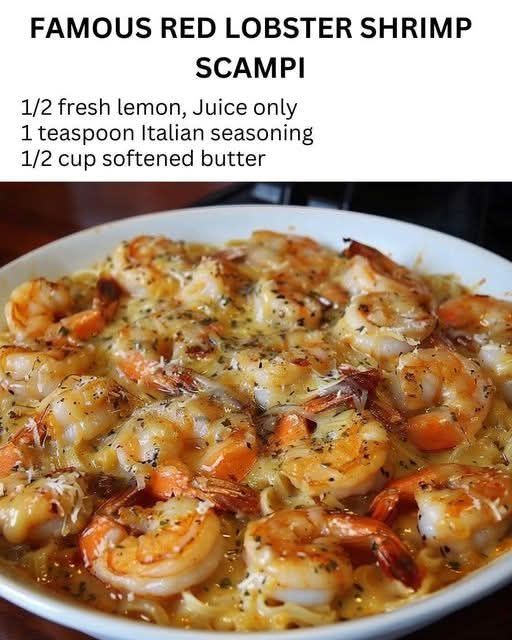
I absolutely love serving this scampi over a nest of al dente linguine. The pasta soaks up every drop of that buttery, garlicky sauce. But on busy weeknights, I often skip the pasta and go straight for a big, crusty loaf of warm garlic bread or a slice of sourdough to mop up the sauce—it’s heavenly and fewer dishes to wash. For a lighter take, I’ll spoon it over a bowl of steamed rice or even a big pile of zucchini noodles.
To round out the meal, I keep the sides simple and fresh. A crisp, green salad with a sharp vinaigrette cuts through the richness perfectly. If I’m feeling fancy, I’ll roast some asparagus or broccoli with olive oil and salt. It makes the whole plate feel complete and balanced, just like you’d get at the restaurant, but in the comfort of your own dining room.
Variations & Customizations
Once you master the classic, it’s fun to play around. I’ve added a handful of halved cherry tomatoes to the sauce right after the wine reduces. They burst and add a lovely sweetness and color. My sister loves it when I stir in a couple handfuls of fresh baby spinach at the very end, letting it wilt into the sauce for a pop of green and extra nutrients. It’s a great way to sneak in some veggies.
For a protein switch-up, I’ve used this exact sauce with seared scallops, and it was phenomenal. I’ve also seen friends add cooked, shredded chicken for a different twist. If you want it creamier, a splash of heavy cream or a tablespoon of cream cheese stirred in at the end creates a decadent, pink sauce. And for the cheese lovers, a light sprinkle of Parmesan or Pecorino Romano over the finished dish adds a salty, umami kick. Make it your own!
How to Store, Freeze & Reheat
Honestly, this dish is best enjoyed fresh. But if I have leftovers, I let them cool completely before storing them in an airtight container in the fridge for up to 2 days. The butter will solidify, which is normal. To reheat, I do it gently. I’ll add the scampi to a skillet with a tiny splash of water, wine, or broth over low heat, stirring until it’s just warmed through. Microwaving can make the shrimp very tough and cause the sauce to separate, so I avoid it if I can.
I don’t recommend freezing the fully assembled dish. Shrimp and cream-based (or butter-based) sauces don’t freeze and thaw well; the texture of the shrimp becomes mushy and the sauce can separate. If I want to get ahead, I’ll prep the ingredients—peel and devein the shrimp, mince the garlic, measure the seasonings—and keep them separate in the fridge. Then, the actual cooking is a 15-minute affair. It’s the most reliable way to preserve that just-made quality.
Frequently Asked Questions
Can I make this without wine?
Absolutely, and I’ve done it for family meals. The wine adds depth and acidity, but you can substitute it with an equal amount of low-sodium chicken or seafood broth, plus an extra tablespoon of lemon juice. The flavor profile will be slightly different—less complex—but still delicious. Just avoid “cooking wine” from the grocery store; it’s too salty.
What can I use instead of butter?
For a dairy-free version, I’ve used a high-quality olive oil. The flavor will be more distinctly olive-forward and the sauce won’t be as creamy and emulsified, but it’s still tasty. A vegan butter substitute can also work, but be sure to choose one that can handle higher heat for sautéing the shrimp at the beginning.
My sauce looks separated or greasy. What happened?
This usually means the heat was too high when you added the butter back in, or you added cold butter to a very hot pan too quickly. Next time, ensure your butter is truly softened, reduce the heat to medium after cooking the shrimp, and let the butter melt gradually into the wine reduction, whisking it in. If it happens, try whisking in a teaspoon of cold butter off the heat—it can sometimes help bring it back together.
Conclusion
Making Red Lobster’s iconic Shrimp Scampi at home has become one of my favorite kitchen triumphs. It’s a dish that feels celebratory but is deceptively simple, a perfect way to turn an ordinary Tuesday into something special. I hope my trial-and-error lessons help you nail it on the first try. Now, go grab that skillet, summon that amazing garlic-butter aroma, and get ready for the compliments. You’ve got this!