Pro Tips for Best Results
I tested pounding the chicken three different ways, and the zip-top bag method is the winner. It contains the mess completely and prevents any accidental tearing. If you don’t have a mallet, a heavy can or small skillet works in a pinch. Also, when you’re stuffing, don’t be greedy! Overfilling is the number one cause of bursting chicken rolls. A neat, compact log is your goal, even if you have a little filling leftover (you can bake it separately!).
The resting period after baking is crucial. I know it’s tempting to slice right in, but if you let the chicken rest for a full 10 minutes, the juices will redistribute, and the cheese filling will set slightly. This means when you cut into it, you’ll get a clean, beautiful cross-section with all the vibrant filling staying neatly inside, rather than a cheesy flood on your cutting board. I’ve rushed this step, and it’s a lesson in patience.
For the crispiest topping, I sometimes use the broiler for the last 1-2 minutes of cooking. Watch it like a hawk, though! It goes from golden-brown to burnt in seconds. If your breadcrumbs are browning too fast during baking, just tent the dish loosely with a piece of aluminum foil. This little trick has saved many a dinner for me when my oven runs a bit hot.
Common Mistakes to Avoid
The first time I made this, I was in a hurry and didn’t pat the chicken dry after pounding. Big mistake. The moisture created steam and prevented that lovely, crispy, golden crust from forming on the outside. It was still tasty, but it looked pale and sad. So, take the 30 seconds to thoroughly dry each piece with a paper towel—it makes a world of difference in the final texture and appearance.
Another classic error is not securing the roll properly. One toothpick is not enough, especially if your slit is on the side. I’ve had a roll unravel spectacularly in the oven, spilling its precious filling. Use at least two, and insert them at a slight angle to really pin that seam shut. And remember to tell your guests they’re there, or count them as you remove them after resting! Finding a surprise toothpick is no fun.
Serving Suggestions
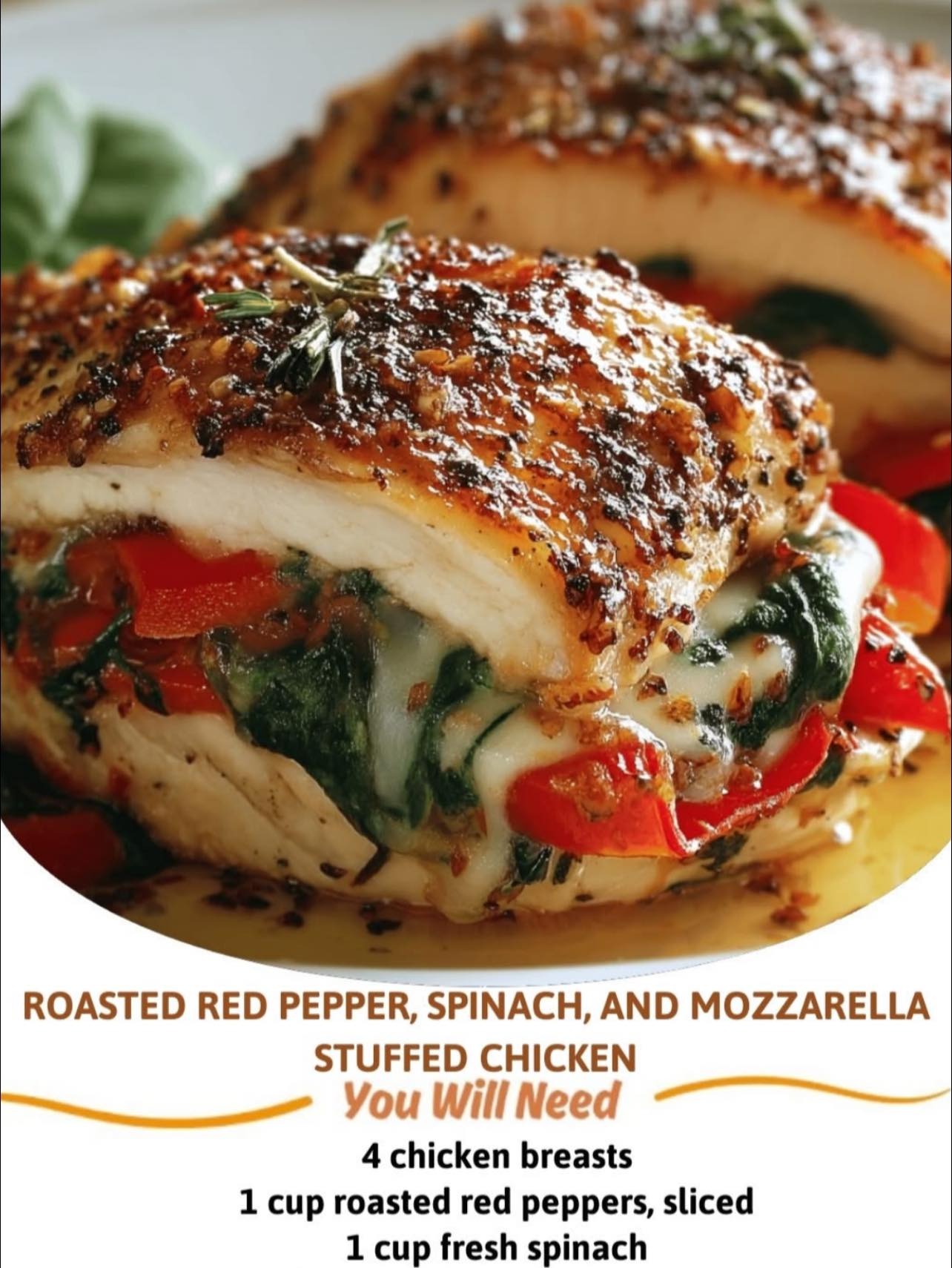
I love serving this stuffed chicken sliced on a bias, fanned out on the plate to show off the colorful swirl inside. It’s beautiful all on its own, but to make it a complete meal, I always pair it with something simple that won’t compete. My absolute favorite is a big, fresh arugula salad with a lemony vinaigrette. The peppery arugula and sharp lemon cut through the richness of the cheese and chicken perfectly.
For heartier sides, you can’t go wrong with classic favorites. Creamy mashed potatoes or buttery garlic Parmesan orzo are fantastic for soaking up any delicious juices. Roasted vegetables are another winner—asparagus, broccoli, or zucchini roast at the same oven temperature, so you can pop them in on a separate tray. It makes for such an easy, cohesive meal with minimal fuss.
If you’re hosting a dinner party, this dish is the star. I like to arrange the sliced chicken on a large platter, garnish with a few extra strips of roasted red pepper and a sprinkle of fresh basil or parsley, and let everyone help themselves. It feels elegant and generous. A simple side of crusty bread to mop up the plate is always a welcome addition, too.
Variations & Customizations
This recipe is wonderfully adaptable. If you’re not a fan of spinach, baby kale works just as well—just give it an extra minute to wilt down. For the cheese, a blend of mozzarella and provolone adds a sharper flavor, or you can use goat cheese for a tangy, creamy twist. I’ve tried it with crumbled feta mixed into the mozzarella, and the salty bite was incredible.
You can also play with the protein. I’ve successfully made this with thin-cut pork chops pounded out the same way, and they were delicious. For a lower-carb option, skip the breadcrumb coating. Just sear the stuffed chicken rolls in an oven-safe skillet for 2-3 minutes per side until golden, then transfer the whole skillet to the oven to finish baking. You lose the crunch but gain a more rustic, pan-seared feel that’s equally tasty.
Want to add a kick? Mix a teaspoon of red pepper flakes into the filling, or use a pepper jack cheese instead of mozzarella. For an herby note, stir a tablespoon of freshly chopped basil or sun-dried tomatoes into the filling mixture. The basic method is your canvas—have fun with the flavors you love most.
How to Store, Freeze & Reheat
For leftovers, let the chicken cool completely, then store slices or whole rolls in an airtight container in the refrigerator for up to 3 days. To reheat, I strongly advise against the microwave—it will make the coating soggy and the chicken rubbery. Instead, place it on a baking sheet and warm it in a 350°F (175°C) oven for 10-15 minutes, or until heated through. For a faster method, you can reheat slices in a dry skillet over medium-low heat, turning occasionally.
This dish freezes beautifully either before or after baking. To freeze unbaked, assemble the stuffed and coated rolls, place them on a parchment-lined baking sheet, and flash-freeze until solid (about 2 hours). Then, transfer them to a freezer bag. You can bake them straight from frozen, just add 10-15 minutes to the baking time and use your thermometer. To freeze after baking, let them cool completely, wrap individually, and freeze. Thaw in the fridge overnight before reheating in the oven. I always keep one or two in the freezer for those “I don’t want to cook” nights—it’s a lifesaver.
Conclusion
This Roasted Red Pepper, Spinach, and Mozzarella Stuffed Chicken has earned a permanent spot in my recipe rotation. It’s the kind of meal that feels like a warm hug but looks like you put in far more effort than you actually did. I hope you give it a try and that it brings as much joy to your table as it has to mine. Happy cooking